Victoriano Fernández Ascarza: Astronomer, Pedagogue, and Pioneer of Alpine Exploration
Victoriano Fernández Ascarza, a figure both steeped in the scientific rigor of his time and deeply connected to the rugged beauty of Spain’s Sierra de Guadarrama mountains, was born in Maránon, Spain, in 1870, and tragically died in Cercedilla, Madrid, in 1934. More than simply an astronomer or pedagogue – titles that barely capture the breadth of his interests – Fernández Ascarza embodied a rare combination of intellectual curiosity, practical application, and a profound dedication to advancing knowledge and fostering education. His life’s work spanned diverse fields, from meticulous solar observations to the establishment of vital alpine refuges, leaving an enduring legacy within both the scientific community and the Spanish landscape itself.
Early Life and Academic Foundations
Fernández Ascarza's early years were shaped by a strong educational foundation. He began his studies at the Escuela Normal de Madrid, a prestigious institution dedicated to training teachers, an experience that undoubtedly instilled in him a deep respect for learning and a commitment to disseminating knowledge. He continued his academic pursuits, ultimately earning a doctorate from the Universidad Central, demonstrating a dedication to formal education that would inform much of his later work. Crucially, he was a member of several prominent scientific societies, including the Real Sociedad Geográfica (Royal Geographical Society), reflecting his engagement with broader intellectual currents and his desire to contribute to the advancement of geographical understanding. His membership in organizations like the Junta para Ampliación de Estudios e Investigaciones Científicas (JAE) – a key body for promoting scientific research in Spain – highlights his role as an active participant in shaping the nation’s scientific landscape.
Astronomical Research and the Sierra de Guadarrama
Fernández Ascarza is perhaps best remembered for his dedicated astronomical research, particularly his meticulous observations of solar intensity within the Sierra de Guadarrama mountain range. This wasn't merely academic exercise; he recognized a critical need to understand how atmospheric conditions influenced solar radiation – information vital for agriculture, weather forecasting, and various other practical applications. His work involved painstaking measurements taken over many years, revealing valuable data about the region’s unique microclimate. This research demonstrated a commitment to applying scientific knowledge to address real-world challenges, showcasing an approach that blended theoretical study with tangible results. The detailed nature of his observations suggests a methodical and patient personality, qualities essential for both astronomical pursuits and pedagogical practice.
Contributions to Alpine Exploration and the Seven Picos Refuge
Beyond astronomy, Fernández Ascarza played a pivotal role in the development of alpine infrastructure within Spain. His involvement with the Club Alpino Español (Spanish Mountaineering Club) was particularly significant. He is most famously associated with the installation of the Siete Picos refuge – a crucial facility for climbers tackling the challenging peaks of the Sierra de Guadarrama. This undertaking required not only logistical expertise but also an understanding of the harsh mountain environment, demonstrating his practical skills and commitment to supporting outdoor exploration. The Siete Picos refuge stands as a testament to his vision and dedication, providing vital support for mountaineers and contributing significantly to Spain’s alpine heritage.
Pedagogical Influence and Legacy
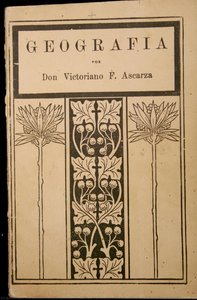
Fernández Ascarza's career extended beyond the realm of scientific research; he was also a dedicated pedagogue. His work at the Escuela Normal de Madrid underscored his belief in the transformative power of education. While specific details about his teaching methods are scarce, it’s reasonable to assume that he emphasized critical thinking, observation, and a systematic approach to learning – qualities undoubtedly honed through his own scientific endeavors. His involvement with organizations like the Junta para Ampliación de Estudios e Investigaciones Científicas suggests a broader commitment to promoting scientific literacy and fostering a culture of intellectual inquiry within Spain. Ultimately, Victoriano Fernández Ascarza’s life represents a remarkable synthesis of scientific curiosity, practical application, and a deep-seated belief in the importance of education – a legacy that continues to resonate today.
Further Resources