
A Northern Sanctuary of Art
Where the mighty Northern Dvina River meets the salt spray of the White Sea, there exists a cultural sanctuary that captures the very essence of the Russian North. The Arkhangelsk Regional Museum of Fine Arts is far more than a mere repository for artifacts; it is a living chronicle of a region defined by its rugged beauty and enduring spiritual depth. To step through its doors is to enter a world where the whispers of ancient explorers and the echoes of maritime legends converge. This institution serves as a vital gateway, inviting visitors to explore a landscape shaped by frost, forest, and faith, offering an intimate look at the soul of a territory that has long stood as a frontier of both discovery and tradition.
Sacred Visions and Boreal Grandeur
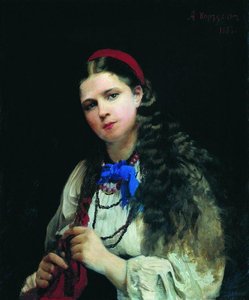
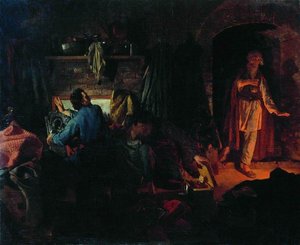
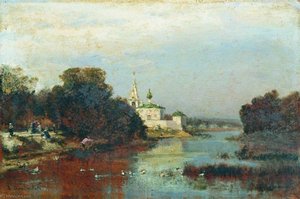
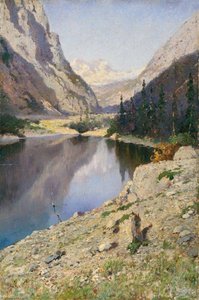
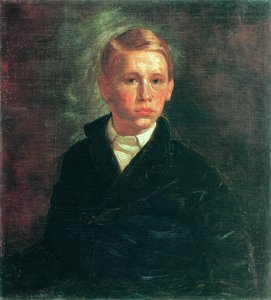
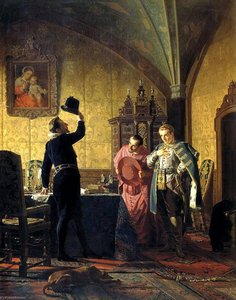
The museum’s collection, a vast assembly of over 30,000 pieces, is anchored by the profound spiritual weight of its ancient icons. These religious masterpieces, painted with a reverence that transcends centuries, offer more than just devotional utility; they are triumphs of craftsmanship where every meticulous brushstroke conveys divine grace and spiritual contemplation. Interwoven with these sacred works are landscapes that capture the austere majesty of the boreal wilderness. One cannot help but be moved by the atmospheric perspective utilized by masters like Ivan Kramskoi, whose muted palettes evoke the solemnity of the northern forests and the ever-present expanse of the northern sky. Similarly, the ethereal light of the White Sea comes alive through the brush of Nikolai Dmitrievich Kondakov, creating a visual poetry that resonates with anyone seeking the quiet, contemplative beauty of the Arctic periphery. For the art lover or interior designer, these works offer a unique aesthetic of understated elegance and profound stillness, perfect for spaces that demand a sense of timelessness.
The Intricate Legacy of Craft and Resilience
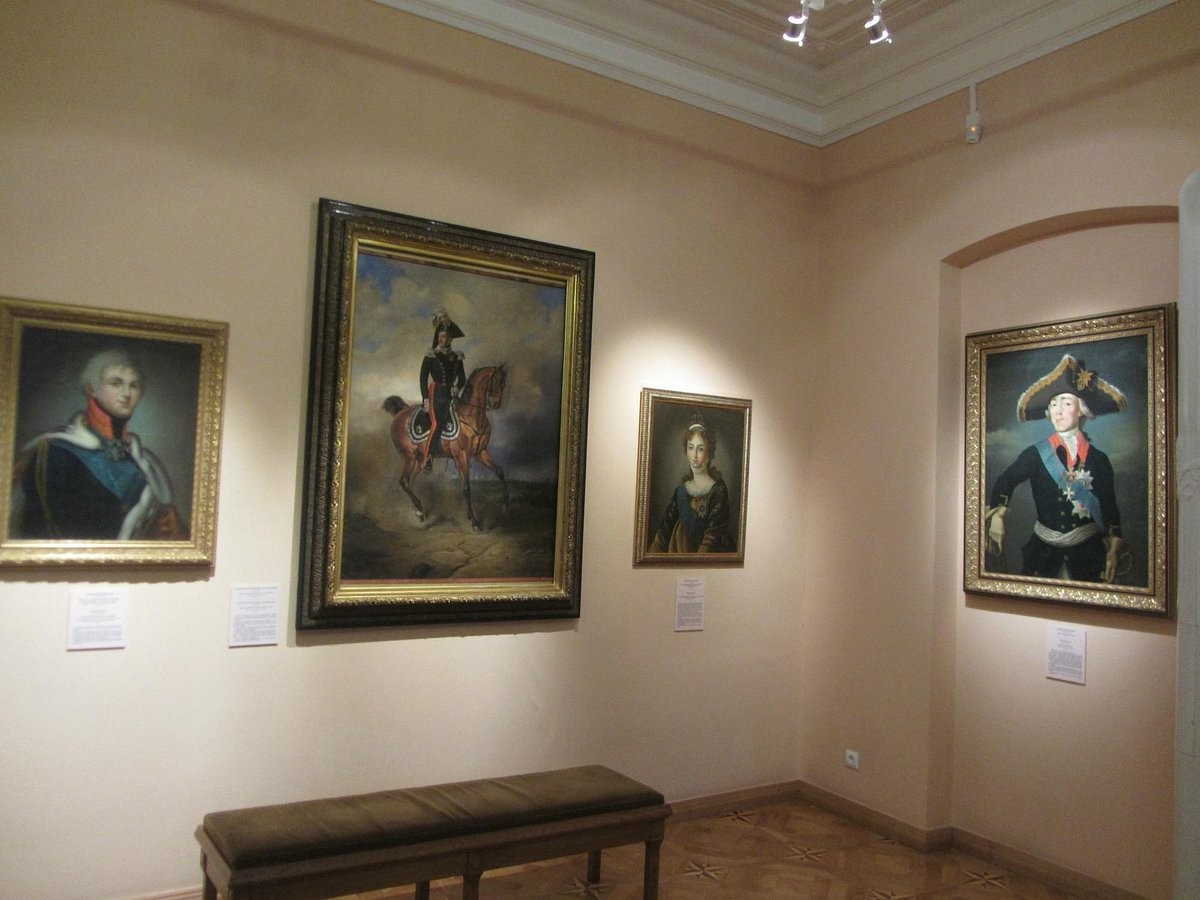
Beyond the canvas and the icon, the museum celebrates the tactile artistry of the region through its renowned collection of Kholmogory bone carvings. These delicate, intricate creations transform humble materials into narrative treasures, depicting scenes from folklore and everyday life with an astonishing level of skill. This tradition of craftsmanship reflects a people deeply connected to their environment, where art is not merely observed but lived. The museum itself stands as a testament to this resilience; its history is one of preservation against the tides of time and conflict. Having survived the harrowing evacuations of World War II, the museum’s treasures were painstakingly protected by curators who understood that these objects were the heartbeat of their culture. This sense of historical continuity is housed within a late 19th-century edifice that embodies Imperial grandeur, where sunlight streams through arched windows to illuminate a legacy that has endured through both peace and upheaval. For the collector seeking rarity, the museum offers a window into a world where history and artistry are inextricably entwined.