
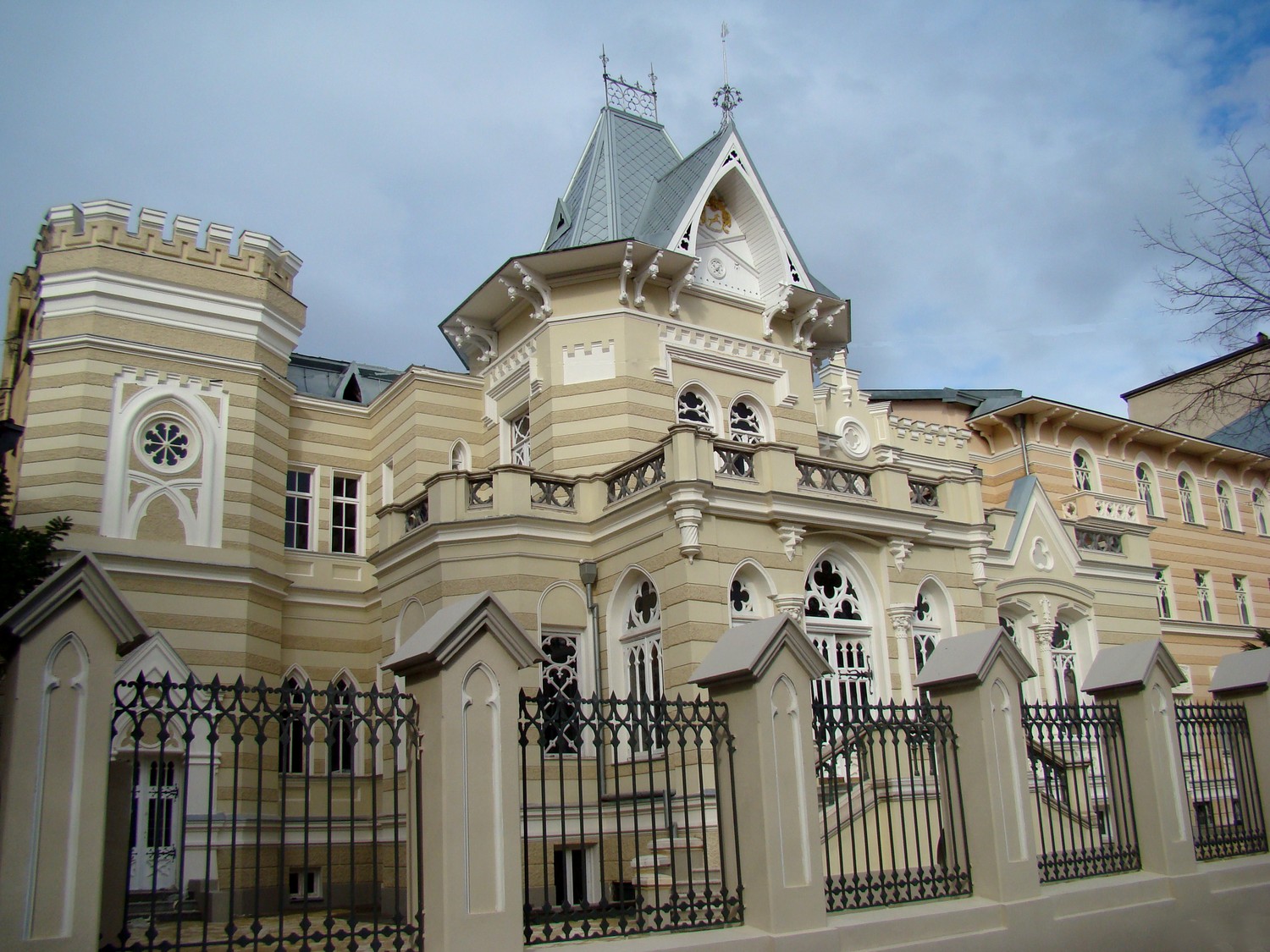
A Jewel of Georgian Art and Memory
The Art Palace of Georgia – Museum of Cultural History stands as a testament to Tbilisi’s enduring fascination with artistic heritage. More than just a repository of artworks, it embodies the spirit of Georgian culture—a blend of tradition, innovation, and profound engagement with European influences—all housed within an architectural masterpiece that seamlessly marries Gothic grandeur with Islamic elegance.
Located at Kargareteli Street #6, Tbilisi, Georgia ([https://en.wikipedia.org/wiki/Art_Palace_of_Georgia_-_Museum_of_Cultural_History](https://en.wikipedia.org/wiki/Art_Palace_of_Georgia_-_Museum_of_Cultural_History)), the palace’s history begins in 1882 with Duke Constantine Petrovich of Oldenburg and his ardent devotion to Agrippina Japaridze, a Georgian noblewoman. Inspired by their love story, Oldenburg commissioned architect Paul Stern to construct a magnificent residence—a building that would not only serve as a home but also as a symbol of his affection for his beloved.
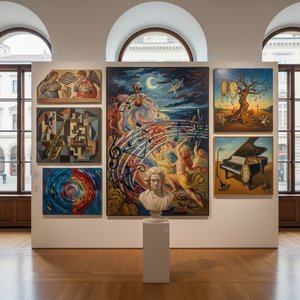
The palace’s transformation into the Museum of Theatre in 1927 marked a pivotal moment. David Arsenishvili, recognizing the importance of preserving Georgian artistic expression, established the museum and spearheaded its expansion to encompass a broader spectrum of cultural disciplines. Today, it houses over 300,000 objects—a remarkable collection spanning theatre costumes, musical instruments, film reels, and paintings from across centuries.
Collection Highlights: A Kaleidoscope of Artistic Voices
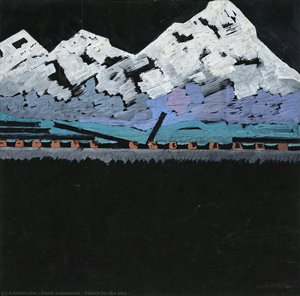
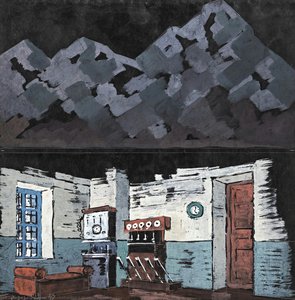
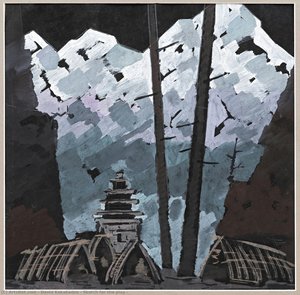
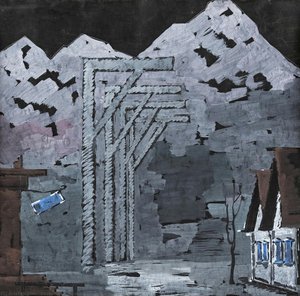
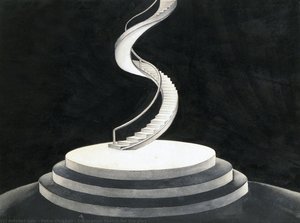
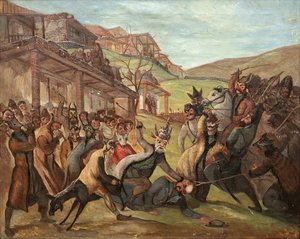
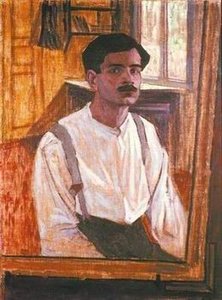
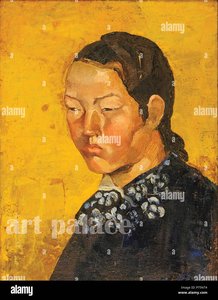
- Georgian Fine Arts Collection : Approximately 10,000 artworks showcase the evolution of scenic design in Georgia. Admire portraits depicting theatre actors and directors alongside sketches capturing stage decorations—a visual chronicle of Georgian theatrical tradition.
- Russian Fine Arts Collection : Featuring representatives of the Russian Silver Age “World of Art” movement like Konstantin Korovin, Lev Bakst, Alexander Benua, Alexander Golovin, and Viktor Simov, this collection illuminates Georgia’s artistic dialogue with Russia during the late 19th and early 20th centuries.
- Western European Fine Arts Collection : Reflecting Georgia’s historical connections to Europe since antiquity, this collection includes pieces acquired through Georgian nobility's travels—a window into Georgian culture’s engagement with artistic trends in Venice, Paris, and beyond.
- Persian Fine Arts Collection : Four Qajar miniature paintings dating back to the 19th century offer a glimpse into Georgia’s fascination with Persian art. Notably, one depicts King Solomon—a symbol of wisdom and majesty.
Architectural Marvel: Gothic Meets Islamic Grace
Designed by Paul Stern in a historicist style, the Art Palace exemplifies the harmonious fusion of Gothic and Islamic architectural elements. The interior design was overseen by Polish architect Aleksander Rogojski, who meticulously crafted ornate facades and intricate details—creating a visual spectacle that captivates visitors.
A Legacy of Artistic Preservation
The museum’s dedication to safeguarding Georgian cultural heritage extends beyond its impressive collections. Exhibitions explore themes ranging from Georgian cinema and theatre to the influence of European art on Georgian culture, fostering intellectual curiosity and appreciation for artistic legacies. Its ongoing reconstruction ensures that this architectural gem—and its invaluable treasures—will continue to inspire generations to come.
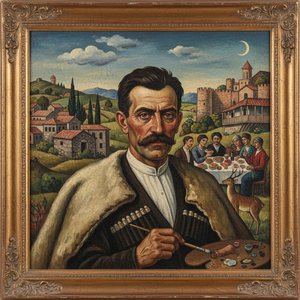
- Musha with a Wineskin, Musha with a Burrel : Explore the evocative imagery of Niko Pirosmani’s masterpiece – a poignant portrayal of Georgian rural life.
- Cristoforo Castelli : Discover Cristoforo Castelli's unique blend of Renaissance style and Georgian landscapes—featuring portraits like Nikoloz Cholokashvili.
- Grigory Grigorievich Gagarin : Immerse yourself in the artistic world of Grigory Gagarin – a Russian painter known for his captivating depictions of Caucasian peoples.
- Giorgi Eristavi : Admire Giorgi Eristavi’s iconic theatre works like ‘Sheshlili’—a cornerstone of Georgian art and culture.