
A Sanctuary for Artistic Vision: The Soul of Parisian Scholarship
Nestled within the vibrant tapestry of Parisian culture, the Bibliothèque de l'École des Beaux-Arts stands as a profound testament to France’s enduring commitment to artistic scholarship and creative heritage. More than just a repository of books, this institution embodies an ethos of intellectual curiosity and aesthetic appreciation that continues to inspire generations of artists and scholars alike. Founded in 1837, it has evolved into a cornerstone of French art history education, attracting visitors from across the globe who seek to immerse themselves in a legacy of excellence. To step inside is to enter a space where the weight of history meets the lightness of imagination, offering a sanctuary for those who find meaning in the intersection of text and image.
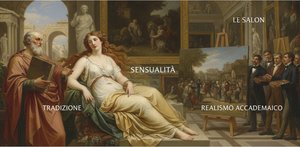
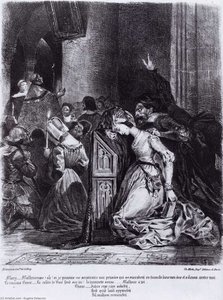
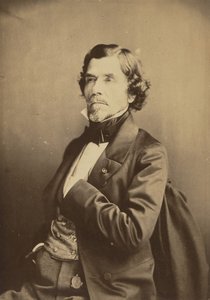
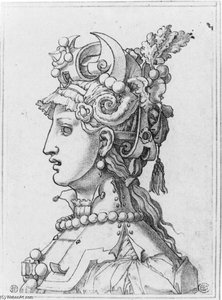
The library’s treasures extend far beyond printed pages, offering an extraordinary assemblage of original drawings, prints, and preparatory sketches. These are the very tools employed by masters such as Jean-Auguste Dominique Ingres and Eugène Delacroix , providing invaluable insight into the raw, creative process itself. For the collector or the scholar, the archives serve as a window into the evolution of technique, where every stroke of charcoal or wash of watercolor tells a story of experimentation. Furthermore, meticulously preserved manuscripts illuminate the intellectual currents that shaped artistic movements throughout the centuries, making the collection a vital bridge between the classical traditions and the avant-garde.
Architectural Grandeur and the Spirit of Beaux-Arts
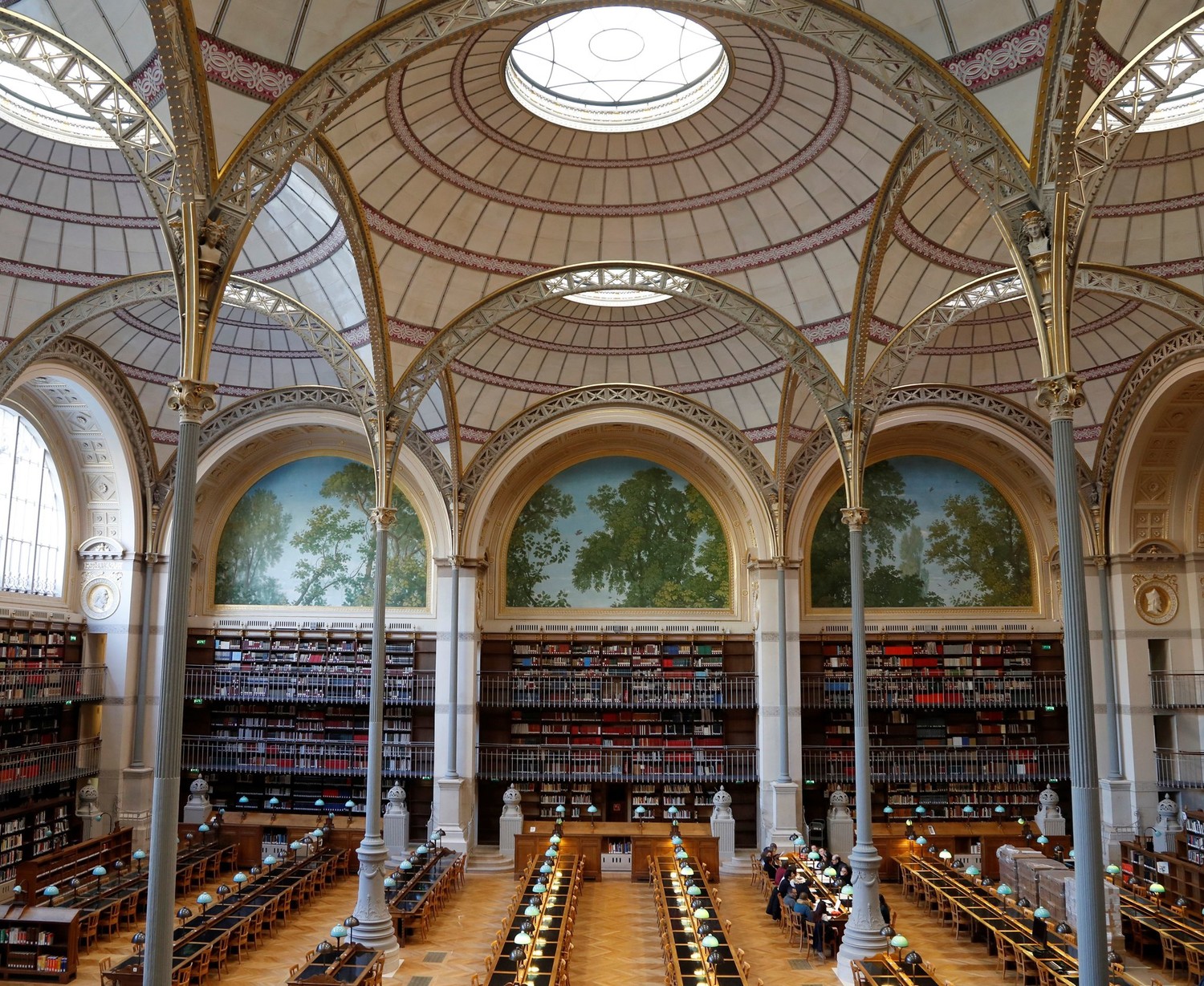
The building’s very architecture reflects the Beaux Arts style prevalent in Parisian academic institutions of its era. Designed by the visionary architect Henri Labrouste , the structure is a marvel of light and form, featuring soaring vaulted ceilings adorned with intricate plasterwork and monumental staircases that command immediate attention. Light floods through expansive windows, creating an atmosphere conducive to deep contemplation and fostering a seamless connection between past artistic endeavors and present scholarly pursuits. The interior design, as noted by contemporary observers, often blends ancient, evocative furnishings with modern, functional systems—such as long walnut tables lit by old lamps in blown glass—creating a space that feels both timeless and revitalized.
This architectural splendor is not merely decorative; it serves a pedagogical purpose. The central court, covered by a splendid structure of iron and glass, acts as a connection and distribution node between various thematic areas, mirroring the interconnectedness of the arts themselves. For interior designers seeking inspiration, the library offers a masterclass in how historical grandeur can coexist with modern utility, utilizing innovative modular elements alongside classical motifs to create an environment that is both prestigious and functional.
A Living Legacy of Exhibition and Innovation
Throughout its history, the Bibliothèque has been a catalyst for artistic discourse. Established during the Romantic era, its mission was to cultivate a new generation of artists capable of capturing the spirit of their age. It quickly became associated with influential critics, theorists, and painters who debated aesthetic ideals and championed innovation. Notable exhibitions at the library have consistently celebrated pivotal moments in art history; recent retrospectives focused on Impressionism and Surrealism underscored a dedication to presenting diverse perspectives, prompting visitors to reconsider established narratives and engage with challenging, transformative ideas.
What truly sets this institution apart is its holistic approach—integrating visual arts alongside textual scholarship. Unlike many libraries that prioritize purely factual information, the Bibliothèque de l'École des Beaux-Arts fosters a dynamic environment where artists can draw inspiration from historical precedents while simultaneously pushing boundaries and forging new paths. It remains an unparalleled destination for anyone captivated by the transformative power of art—a place where history breathes alongside imagination, shaping our understanding of beauty and inspiring us to strive for excellence in all creative endeavors.