

A Monument of Neoclassical Grandeur
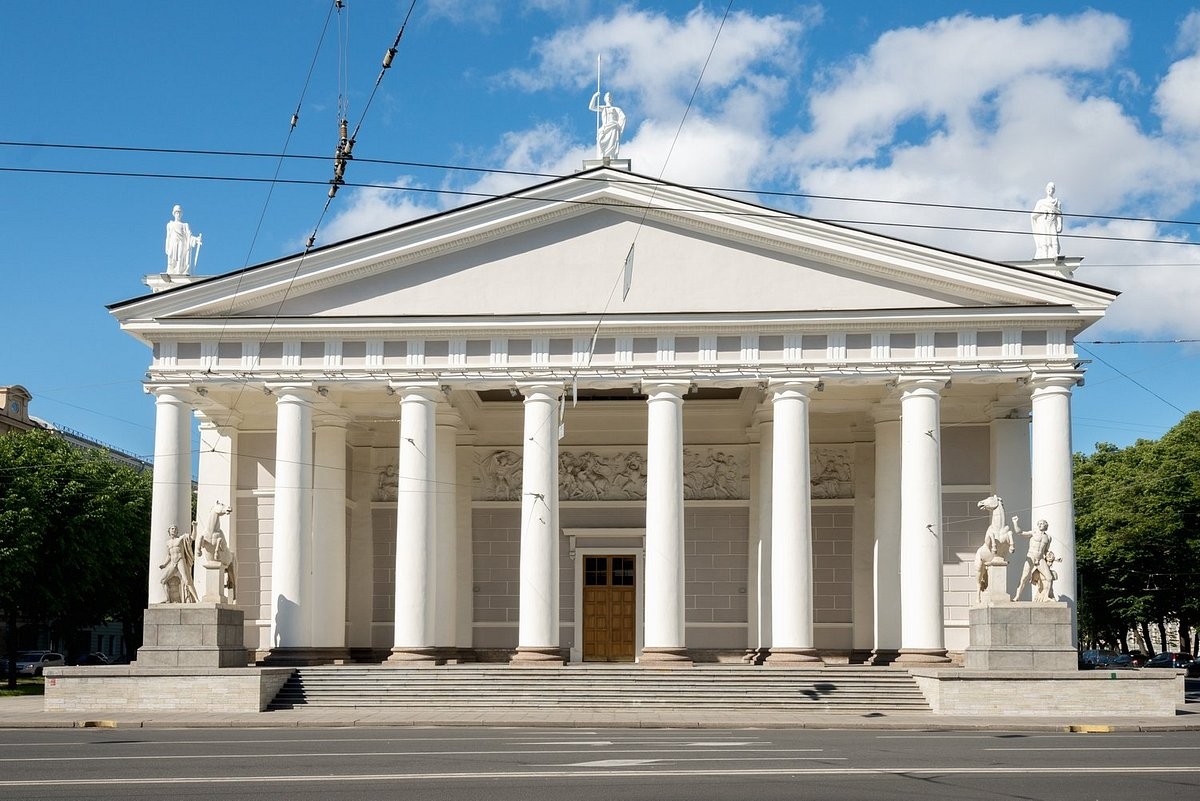
In the beating heart of Saint Petersburg, where the imperial echoes of the past meet the vibrant pulse of the present, stands the Manege Central Exhibition Hall. This architectural marvel, a masterpiece of Greek Revival design by the celebrated Giacomo Quarenghi, serves as much more than a mere gallery; it is a profound dialogue between history and modernity. Originally conceived in the early 19th century as a riding school for the Imperial Horse Guards, the building’s very name—derived from the French word for equestrian training—whispers of its noble, martial origins. As one approaches the structure on Saint Isaac's Square, the austere beauty of its Doric columns and the rhythmic grace of its arched openings evoke the timeless dignity of an ancient Athenian temple. It is a space where the weight of stone and the lightness of light converge, creating an atmosphere of monumental serenity that prepares the soul for artistic encounter.
The architecture itself tells a story of transformation and resilience. Built between 1804 and 1807, the hall replaced a disused canal, effectively reclaiming urban space to create a sanctuary for culture. The interior, characterized by soaring ceilings and an expansive, fluid layout, offers a sense of limitless possibility. For the interior designer or the lover of classical aesthetics, the Manege represents the pinnacle of neoclassical elegance, where the symmetry of Quarenghi’s vision provides a sophisticated backdrop for both the most delicate sketches and the most massive installations. The presence of marble statues, such as the Dioscuri, adds a layer of sculptural depth that anchors the hall in the grand tradition of European high art.
A Tapestry of Artistic Eras
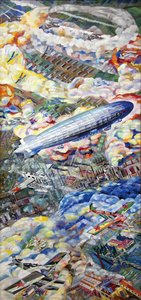
To step inside the Manege is to embark on a journey through the shifting tides of human creativity. The museum’s collection is a breathtaking mosaic, weaving together the spiritual intensity of the Late Gothic period with the radical energy of the 20th-century avant-garde. One cannot help but be moved by the profound religious symbolism found in works like Matthias Grünewald’s monumental pieces, where every brushstroke serves a higher theological purpose. This reverence for tradition is balanced by the hall's dynamic contemporary collection, which has been meticulously curated since 1991 to document the evolution of art in Saint Petersburg from the 1920s onward. The museum breathes through its ability to juxtapose the heavy, emotive textures of historical masters with the sharp, intellectual provocations of Constructivism.
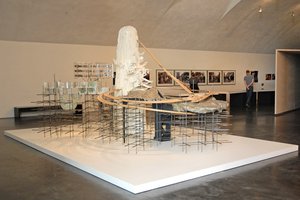
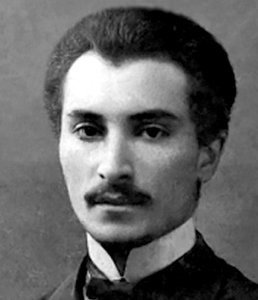
The exhibition program at the Manege is famously kaleidoscopic, ensuring that no two visits are ever identical. It functions as a rotating stage for the world's most compelling narratives, ranging from photography collections to explorations of African art in "Reversed Safari," and even celebrations of the rhythmic grace of Russian ballet in "First Position." This commitment to diversity makes the Manege an indispensable destination for collectors seeking inspiration and scholars pursuing the latest trends. It is a place where the boundaries between eras blur, allowing a viewer to contemplate the legacy of Boris Mikhailovich Kustodiev while simultaneously standing before a cutting-edge installation that challenges the very definition of modern life.
A Sanctuary for Contemporary Dialogue
What truly distinguishes the Manege Central Exhibition Hall from its more static counterparts is its role as a living, breathing cultural hub. It does not merely preserve the past; it actively fosters the future. The hall serves as a crossroads where seasoned masters and emerging talents meet to exchange ideas, making it a vital organ in the global art ecosystem. This spirit of engagement extends beyond the gallery walls to the adjacent Garçon Café, providing a contemplative space for visitors to reflect on the profound imagery they have encountered. For those who find beauty in the intersection of heritage and innovation, the Manege offers an unparalleled experience—a place where the grandeur of imperial Russia provides the foundation for the limitless explorations of the contemporary imagination.