
A Silent Testament: The Municipal Museum of the Kalavritan Holocaust
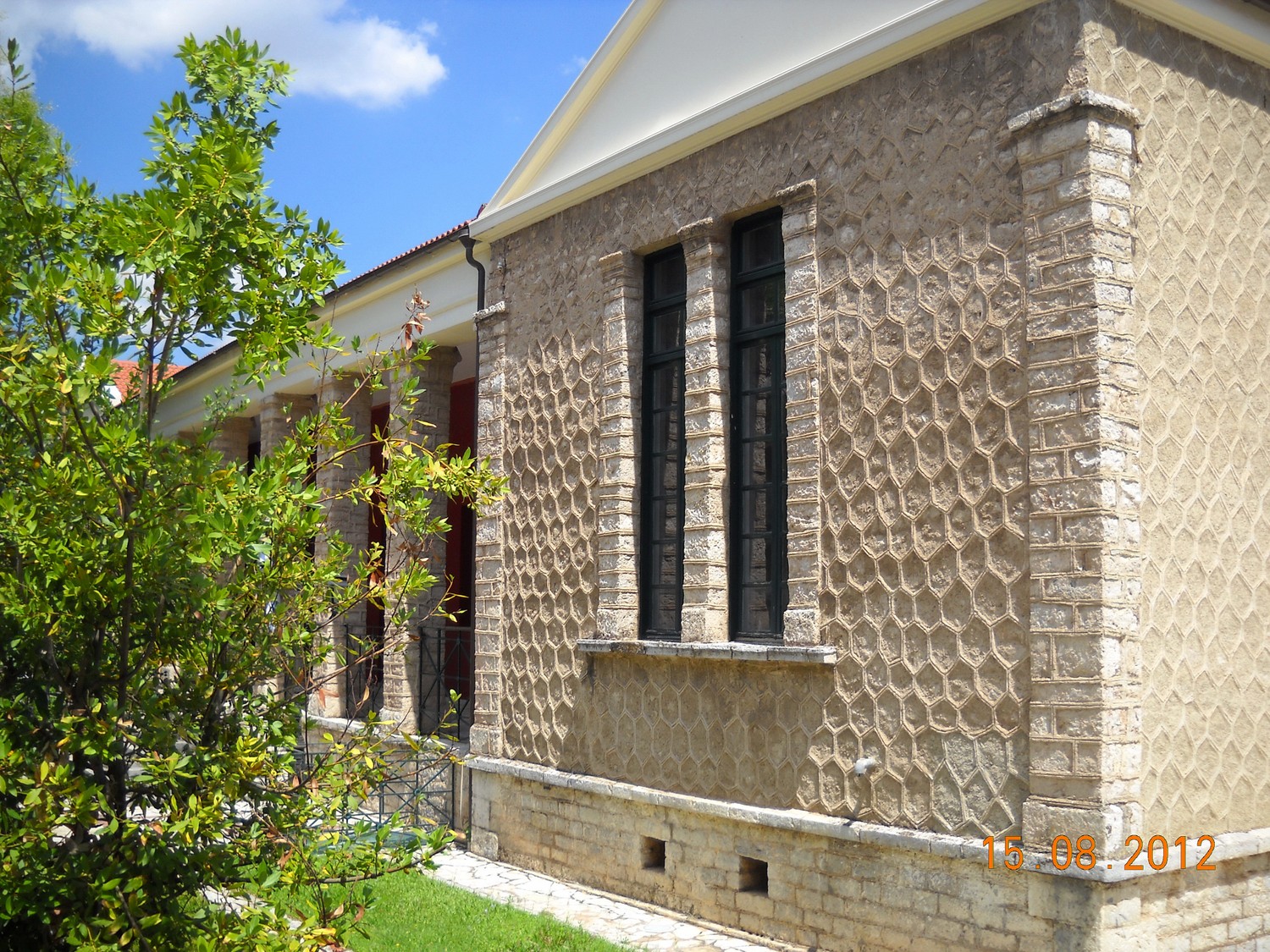
Nestled in the heart of Kalavrita, a town steeped in Greek history and nestled amongst the dramatic Pindus Mountains, lies the Municipal Museum of the Kalavritan Holocaust. More than simply a repository of artifacts, this museum stands as a profoundly moving memorial – a place where the echoes of a brutal past resonate with an urgent plea for remembrance and understanding. Established in 1986 within the walls of the former Primary School of Kalavryta, a building itself bearing witness to decades of local life, the museum offers visitors an intimate and deeply affecting encounter with one of Greece’s darkest chapters: the December 13, 1943 massacre.
The story behind the museum is inextricably linked to Operation Kalavryta, a daring resistance raid that initially succeeded in liberating the garrison at Kalavrita. However, this victory swiftly devolved into unimaginable horror when German forces retaliated with a systematic and merciless execution of the entire male population over 14 years old – nearly every man in the town, along with much of the livestock and property. The museum meticulously documents this event through a carefully curated collection that transcends mere historical record-keeping; it’s an attempt to connect with the human cost of war, to honor the lost, and to ensure that such atrocities are never repeated. The building's architecture itself – its austere lines and quiet spaces – contributes powerfully to the museum’s contemplative atmosphere, creating a space designed for reflection and solemn remembrance.
Echoes of the Past: Collection Highlights
Within the museum’s walls, visitors encounter a poignant assemblage of materials that bring the tragedy vividly to life. The collection is remarkably intimate, focusing on personal narratives and tangible reminders of lives abruptly extinguished. Powerful black-and-white photographs document daily life in Kalavrita before the occupation, capturing the faces of its residents – a stark contrast to the images depicting the aftermath of the massacre. Original wartime documents—letters penned by soldiers, official orders detailing the operation, and witness testimonies—offer intimate glimpses into the events as they unfolded. Perhaps most powerfully, the museum displays personal belongings recovered from the victims: children’s toys, worn clothing, and cherished objects that speak volumes about the lives stolen.
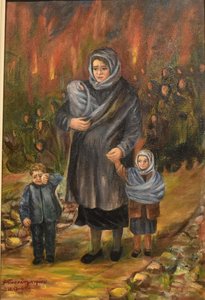
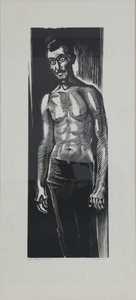
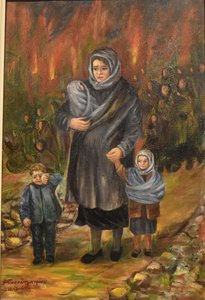
Beyond these core elements, the museum presents a dedicated section on the Greek Resistance movement, celebrating their courage and sacrifice in the face of overwhelming odds. Exhibits detail the strategic planning and execution of Operation Kalavryta, providing crucial context for understanding the events that followed. Notably, the museum regularly hosts an annual art exhibition centered around the Holocaust, featuring works by contemporary artists who grapple with themes of memory, loss, and resilience – a testament to the enduring relevance of this historical event.
A Space of Contemplation: Architecture & Design
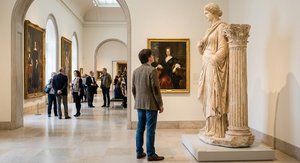
The design of the Municipal Museum is deliberately understated yet profoundly effective. Constructed within the historic Primary School building, the museum’s interior retains many of its original features, lending it a sense of authenticity and immediacy. The layout guides visitors through the narrative in a logical and emotionally resonant manner, avoiding sensationalism while never shying away from the gravity of the subject matter. Natural light is carefully managed to create a contemplative atmosphere, with muted colors and simple furnishings that allow the artifacts and exhibits to take center stage. The deliberate choice of materials – stone, wood, and metal – evokes a sense of permanence and respect for those who perished.
A Unique Perspective: Local Focus & Memorial Legacy
What truly distinguishes the Municipal Museum of the Kalavritan Holocaust is its intensely localized focus. Unlike grand national museums that often address historical events from a broader perspective, this museum offers an intimate and deeply personal account of a single town’s experience during World War II. It's not simply about recounting a military operation; it’s about honoring the lives lost, preserving the memory of a community shattered by violence, and fostering a sense of collective responsibility for preventing future atrocities. The museum serves as both a memorial to the victims and an educational center dedicated to promoting peace, understanding, and remembrance – a vital role in safeguarding Greece's history and ensuring that the lessons of Kalavryta are never forgotten.
Visiting Information & Continued Engagement
The Municipal Museum of the Kalavritan Holocaust is open to visitors seeking a powerful and moving experience. It’s a place for quiet reflection, historical learning, and honoring the memory of those who suffered during this dark period in Greek history. The museum operates on specific days and times (check local listings), offering a chance to engage with its exhibits and contribute to its ongoing mission of remembrance. Further information can be found through the official website and Google Arts & Culture listing – resources that highlight the museum’s commitment to preserving and sharing this vital piece of Greek history.