
A Portal to the Andalusian Soul
Nestled within the verdant, sun-dappled embrace of Seville’s María Luisa Park, the Museum of Arts and Popular Customs stands as much more than a mere repository of artifacts; it is a living, breathing chronicle of the Andalusian spirit. To enter this sanctuary is to step through a threshold where time slows, allowing the vibrant textures of Spanish tradition to envelop the senses. The museum does not simply display history; it breathes life into the ancestral rhythms of craftsmanship and daily existence that have defined this iconic region for centuries. For the art lover or the discerning collector, the museum offers an intimate encounter with the very essence of cultural identity, presenting a narrative where every thread of lace and every shard of ceramic whispers stories of a resilient and beautiful heritage.
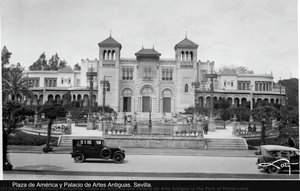
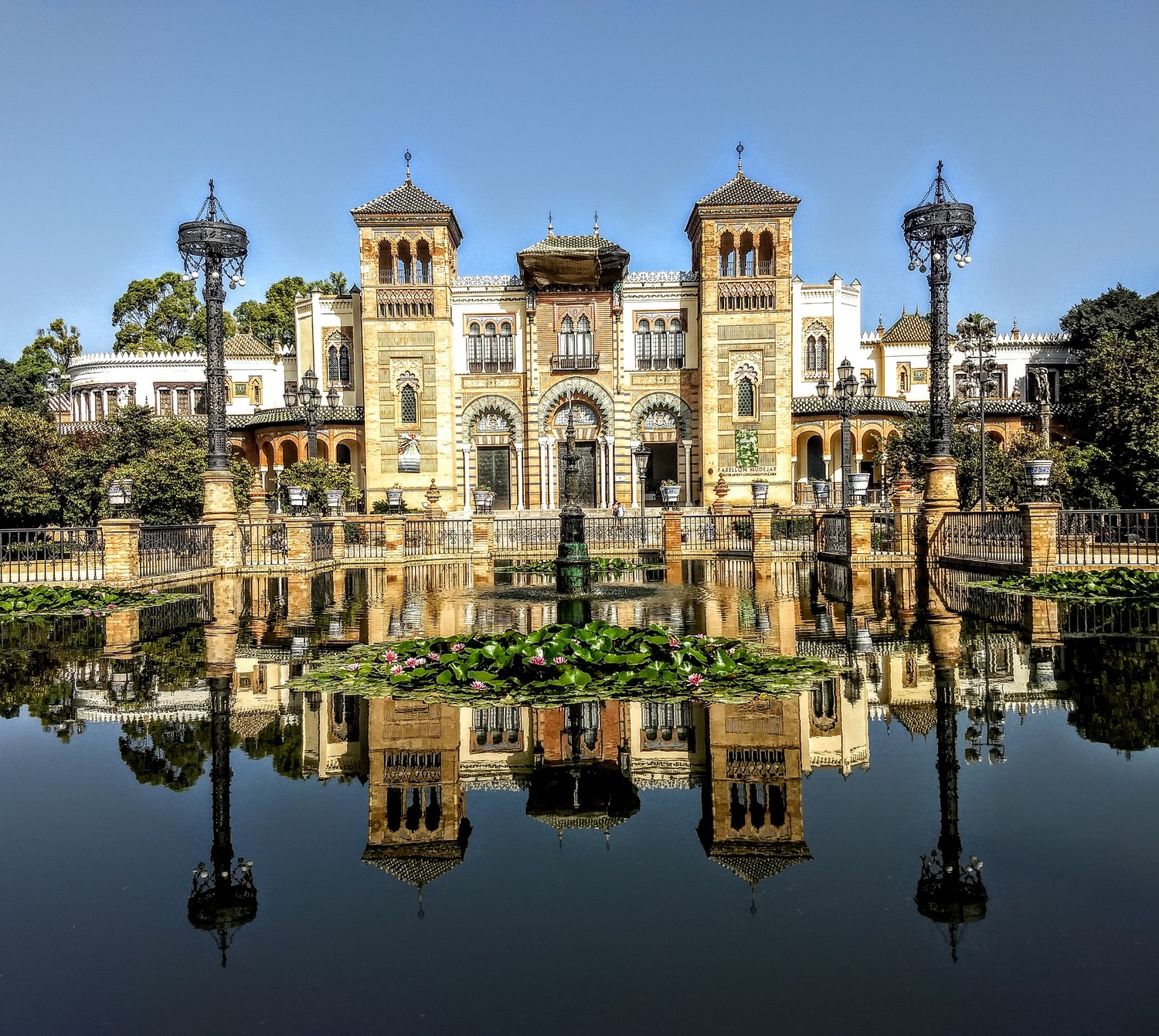
The journey begins with the breathtaking architecture of the Mudéjar Pavilion itself, a masterpiece of design by the visionary Aníbal González. Originally conceived for the Ibero-American Exposition of 1929, the building is a sublime testament to the architectural dialogue between Islamic and Christian influences that characterizes much of Andalusia. The exterior is a rhythmic dance of brickwork and ceramic artistry, featuring grand doorways adorned with intricately patterned azulejos—glazed tiles that catch the Mediterranean light in a dazzling display of color and geometry. This architectural splendor provides a profound stage for the treasures within, as the building’s adaptive reuse from an exposition showcase to an ethnographic treasure trove embodies a commitment to the preservation of beauty through the ages.
Treasures of Craft and Tradition
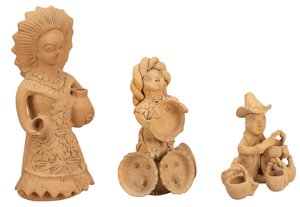
Stepping into the galleries, one is met with an extraordinary assemblage of material culture that speaks to both the elegance and the utility of Andalusian life. The collections are a feast for the eyes, particularly for those with an eye for detail and texture, such as interior designers seeking authentic inspiration. The museum holds a magnificent array of ceramics, showcasing centuries-old techniques that have transitioned from functional household items to high art. Alongside these, the exquisite Díaz Velázquez Collection offers a poignant window into the early 20th century; this remarkable hoard of over 7,000 pieces of lace and embroidery serves as a delicate, tactile record of regional festivities and domestic grace. To wander through these halls is to witness the intersection of fine art and folk tradition, where the boundary between the utilitarian and the decorative dissolves.
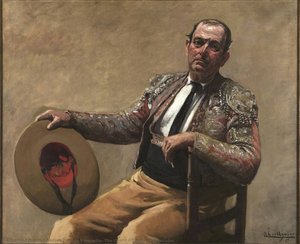
The museum’s depth is further enriched by specialized collections that cater to the most curious of historians and enthusiasts. Visitors may find themselves captivated by the Aguiar collection of Costumbrist painting, which captures local scenes with a keen, observational eye, or the Soria collection, featuring oriental ivory and pottery that speaks to Seville's historical role as a global crossroads. Even more whimsical are the recent acquisitions, such as the Loty collection of antique glassware and thousands of vintage postcards, which offer a nostalgic glimpse into the evolving urban landscape of Seville. Through these diverse holdings, the museum maintains a dynamic presence, frequently hosting temporary exhibitions that explore themes ranging from the rhythmic passion of flamenco to the intricate evolution of Andalusian folklore, ensuring that the museum remains a vibrant, pulsating hub of cultural exchange.