
A Sanctuary of Shifting Light: The Nakagawa-machi Bato Hiroshige Museum of Art
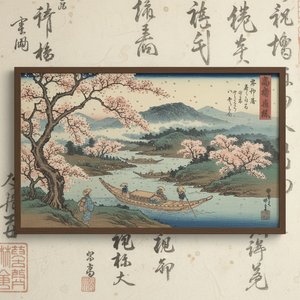
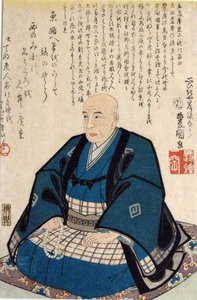
Nestled within the tranquil landscapes of Tochigi Prefecture, the Nakagawa-machi Bato Hiroshige Museum of Art offers far more than a mere viewing of historical artifacts; it provides an immersive journey into the very soul of nineteenth-century Japan. As one approaches this architectural gem, the museum reveals itself not just as a repository for exquisite ukiyo-e prints, but as a living testament to the enduring power of woodblock artistry. The air within its halls seems to whisper tales of bustling teahouses along the Tōkaidō Road and serene landscapes veiled in morning mist, themes that Utagawa Hiroshige translated into vibrant color and delicate line with unparalleled mastery. For the art lover or the discerning collector, the museum serves as a portal to an era where the ephemeral beauty of everyday life was captured with profound poetic grace.
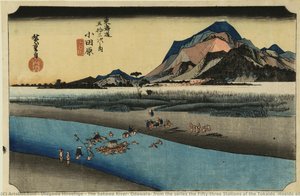
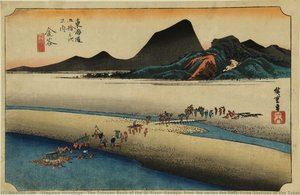
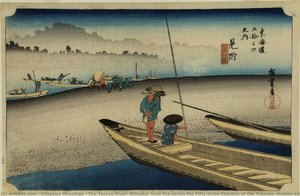
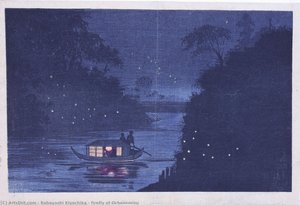
At the heart of the museum’s allure lies its exceptional collection, anchored by the prestigious Aoki Collection. This remarkable assembly allows visitors to traverse the Japanese landscape alongside Hiroshige himself, witnessing the changing seasons and the quiet dignity of rural life through his iconic series, The Fifty-three Stations of the Tōkaidō . To wander through these galleries is to experience a meditation on travel and impermanence. Beyond this celebrated work, the museum showcases a diverse range of Hiroshige's paintings and prints, alongside Meiji-period masterpieces by Kobayashi Kiyochika and works by Kawamura Kiyoo. Each piece, from the intricate nikuhitsu-ga to the meticulously carved woodblocks, reveals a delicate dance between technical precision and artistic vision, offering endless inspiration for those seeking subtle palettes and compositional brilliance.
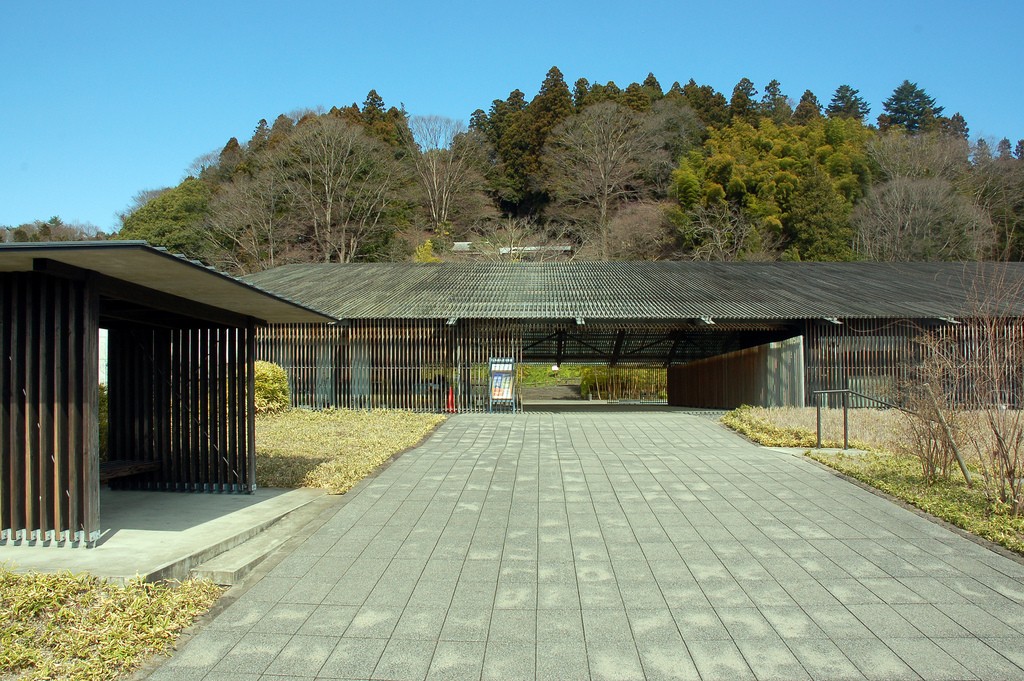
The museum experience is profoundly deepened by its architecture, a prize-winning creation by the internationally acclaimed architect Kengo Kuma. Kuma’s philosophy of harmonizing contemporary design with traditional Japanese aesthetics is realized through a structure that actively enhances the art it houses. Utilizing local materials such as cedar wood and handcrafted washi paper, the building merges seamlessly into its natural surroundings. The design features a gabled roof and a single-story layout that promotes a sense of grounded serenity. Inside, natural light floods the exhibition halls, carefully filtered through wooden louvers to mimic the subtle gradations of light often found in Hiroshige’s own prints. This thoughtful interplay between light and shadow creates a contemplative atmosphere, making the museum an essential destination for interior designers looking to understand the intersection of space, texture, and tradition.
What truly distinguishes the Nakagawa-machi Batto Hiroshige Museum of Art is its singular, focused curatorial vision. Unlike larger, more general institutions, this museum dedicates itself entirely to the legacy of a single master, allowing for an unparalleled depth of exploration. Established through the generous donation of the Aoki Collection, the institution serves as a vital cultural hub that bridges the gap between the Edo period and the modern day. Through themed exhibitions and community engagement, it fosters a deeper understanding of ukiye-e techniques and the historical context of the Utagawa school. It is a place where history breathes, inviting every visitor—whether a curious traveler or a dedicated scholar—to find beauty in the journey and connection to a timeless artistic heritage.