

A Celestial Dome of Modernity
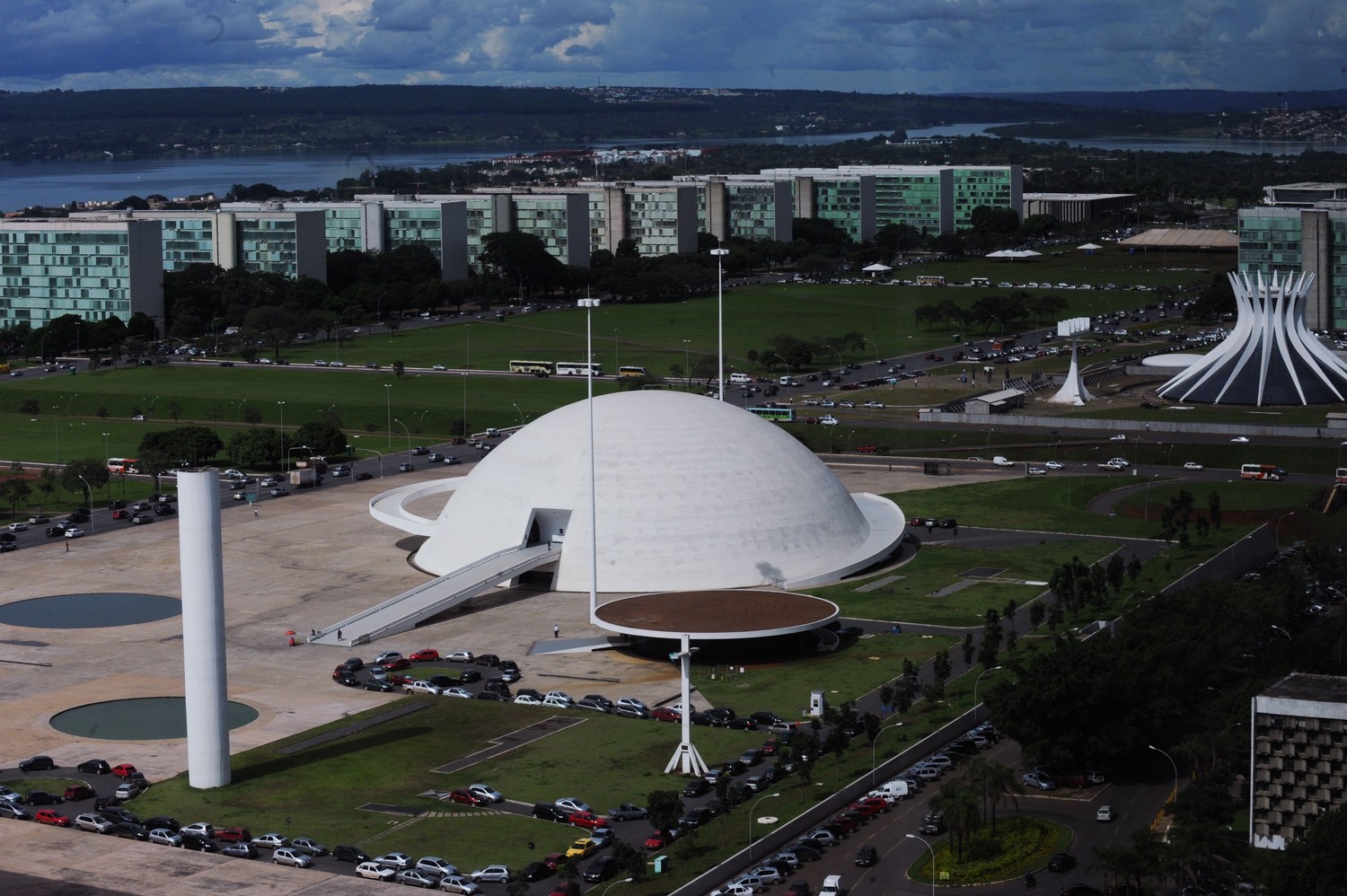
In the heart of Brasília, where the horizon stretches with a geometric precision that feels both futuristic and eternal, stands the National Museum of the Republic. It is not merely a repository for artifacts but a profound architectural statement, a white, semi-spherical marvel that seems to have descended from a dream of the future onto the Eixo Monumental. Designed by the legendary Oscar Niemeyer, the museum’s silhouette—a striking reinforced concrete dome—defies the heavy expectations of traditional monumentalism. As one approaches, the structure reveals its rhythmic grace through sweeping ramps that invite the visitor upward, mirroring the ascent of the spirit toward enlightenment. This is a space where the weight of concrete is transformed into a sense of lightness, a hallmark of Niemeyer’s genius, creating an atmosphere that prepares the soul for the artistic wonders held within its curved walls.
The architecture itself serves as the first masterpiece one encounters, acting as a sculptural dialogue between the earth and the sky. The expansive, white-painted shell utilizes a revolutionary double curvature technique, embodying the experimental spirit of the mid-century modernism that birthed Brasília. Surrounding this central icon, three reflective water mirrors frame the exterior, blurring the boundaries between the built environment and the natural elements. For the art lover or the designer seeking inspiration, the museum offers a masterclass in how space, light, and form can coalesce to create a sanctuary of contemplation. Inside, the vast, unobstructed upper floor allows for an immense free span, where light from a central chandelier descends like a celestial beacon, illuminating the artworks with a soft, indirect glow that honors their texture and color.
A Tapestry of Brazilian Identity
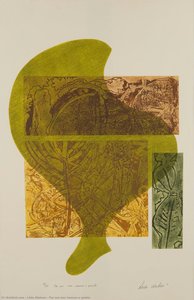
Beyond its structural brilliance, the museum serves as a vital pulse for Brazilian culture, housing a collection that celebrates the dynamism of the nation’s artistic evolution. The galleries are a vibrant journey through modern and contemporary mediums, where the bold strokes of painting meet the tactile intimacy of ceramics and textiles. Visitors can wander through works by masters such as Antônio Bandeira and Maria Martins, whose expressive techniques capture the raw energy and complex layers of Brazilian identity. Each piece within this collection acts as a thread in a larger narrative of a nation defining itself through movement, color, and form. For collectors and enthusiasts, the museum provides an essential context, showcasing how local traditions have been reimagined through the lens of global modernism.
The institution’s significance is further deepened by its commitment to the contemporary dialogue, frequently hosting groundbreaking exhibitions that tackle the pressing complexities of our era. From large-scale sculptural installations like Gisela Colón’s Matéria Prima —which explores ecological and cosmic themes through high-tech materials—to shows exploring migration and environmental sustainability, the museum remains a living, breathing entity. It does not merely look backward at history; it actively participates in the creation of new cultural meanings. This dedication to both heritage and innovation makes the National Museum of the Republic an indispensable destination for anyone seeking to understand the enduring power of art to shape perception, foster education, and inspire a shared human experience within the utopian landscape of Brazil’s capital.