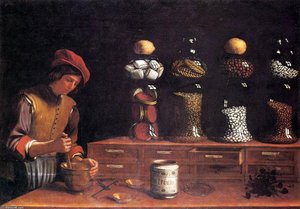

A Sanctuary of Umbrian Spirit
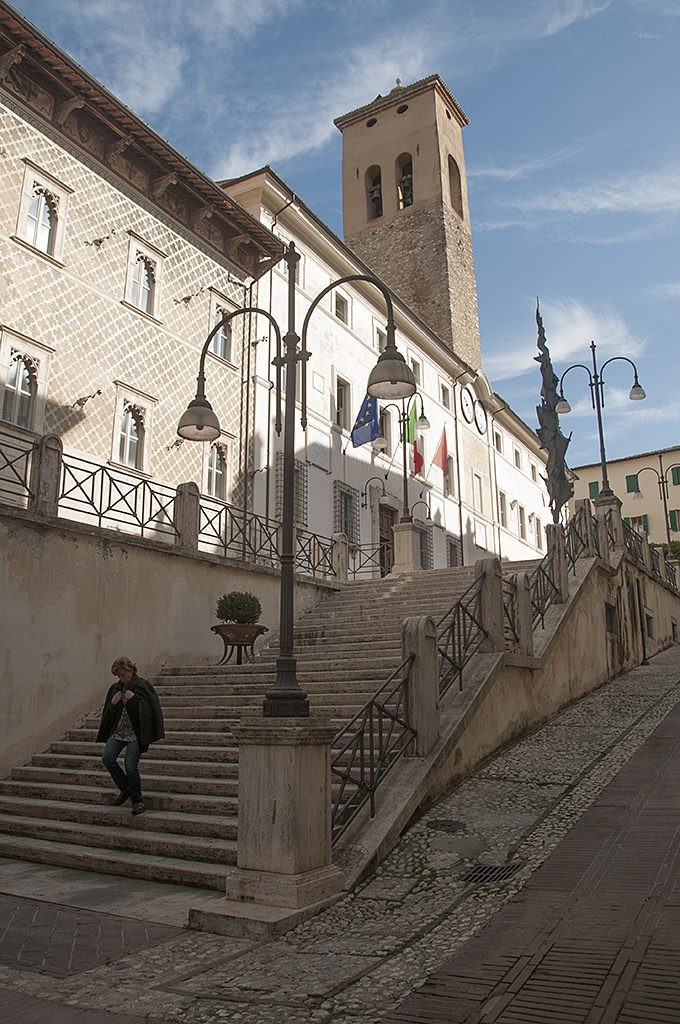
Nestled within the venerable walls of the Palazzo Rosari Spended, the Pinacoteca Comunale Spoleto offers far more than a mere gallery visit; it is an intimate encounter with the very soul of Umbria. As one wanders through this architectural marvel—a structure whose Romanesque foundations and Gothic expansions whisper tales of centuries past—the museum reveals itself as a living chronicle of Spoleto’s artistic evolution. Unlike the overwhelming scale of grand national institutions, this municipal treasure prioritizes a profound, focused connection, inviting collectors and enthusiasts alike to lose themselves in a curated journey through light, shadow, and sacred devotion.The building itself serves as a captivating backdrop, where the soaring ceilings and ornate decorations invite contemplation alongside the treasures they house. To step inside is to enter a space where history is not merely studied but felt, as the architecture reflects the transformations of an era shaped by papal commissions and urban development.
The Masterful Hand of Mannerism
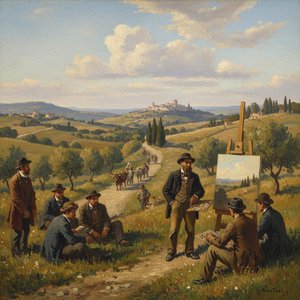
The heart of the collection beats with the rhythmic beauty of Umbrian painting, spanning the transformative eras from the Renaissance to the Baroque. Here, the canvas becomes a window into a world defined by luminous colors and an almost tactile meticulousness. Visitors are particularly drawn to the evocative works of Aloisio di Marco, known as Alò, whose Mannerist mastery serves as a bridge between epochs. His canvases, characterized by elongated figures and dramatic, tension-filled poses, foreshadow the revolutionary shadows of Caravaggio, offering a sophisticated aesthetic that continues to inspire modern interior sensibilities.These artworks embody the stylistic nuances developed in the region—a delicate balance of spiritual fervor and humanist ideals. Every brushstroke captures the essence of Franciscan piety, where the light does not merely illuminate the subject but seems to emanate from within the very pigment itself. For the discerning eye, the collection offers a masterclass in how texture and tone can evoke the profound mysteries of faith and human emotion.
A Legacy Written in Gold and Grace
To understand the art within these walls, one must also grasp the historical currents that shaped them. The museum serves as a vital link to the era of Pope Gregory IX, whose influence turned Spoleto into a significant center of ecclesiastical power. This legacy of patronage is etched into both the paintings and the very stones of the Palazzo Rosari Spada, demonstrating how papal authority fostered creativity and propelled artistic movements forward.What truly distinguishes the Pinacoteca Comunale is its commitment to presenting art history in conjunction with local narratives. It is a place where the grandeur of historical commissions meets the vibrant traditions of Spoleto, celebrating regional crafts and festivals alongside celebrated masterpieces. For the art lover or the interior designer seeking inspiration, the museum provides a singular perspective on how a deep sense of local identity can create a timeless, universal beauty.