


A Sanctuary of Healing: The Living History of the Royal College of Physicians
Nestled within the verdant embrace of London’s Regent’s Park, the Royal College of Physicians Museum serves as a profound testament to over five centuries of medical endeavor. It is far more than a mere repository for clinical artifacts; it is a captivating journey through the evolving understanding of the human form and the relentless pursuit of cures. To step inside is to enter a space where scientific curiosity intertwines with spiritual contemplation, offering a narrative that is as much about the resilience of the human spirit as it is about the evolution of medicine. For the art lover and the historian alike, the museum embodies the triumphs and humbling complexities of our shared biological history, presenting a collection that breathes with the echoes of past generations.
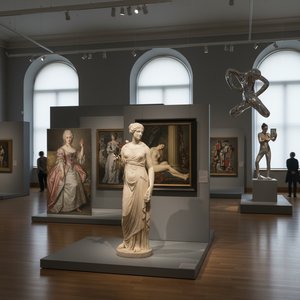
The collection itself presents a remarkable confluence of scientific precision and historical resonance, where the boundaries between anatomical study and fine artistry often blur. Visitors are immediately struck by rare anatomical models—painstakingly crafted representations of the human body that once served as vital teaching tools during eras when dissection was a clandestine and perilous undertaking. These are not cold, clinical displays; they are imbued with an almost sculptural beauty, reflecting an era where understanding our inner workings demanded immense courage and dedication. Alongside these delicate models lie historical surgical instruments, their gleaming steel surfaces acting as testaments to both human ingenuity and the sometimes brutal realities of pre-modern medicine. To gaze upon these objects is to contemplate the evolution of technique, from the bold, improvised interventions of centuries past to the refined precision that defines contemporary surgery.
Architectural Grandeur and a Legacy of Excellence
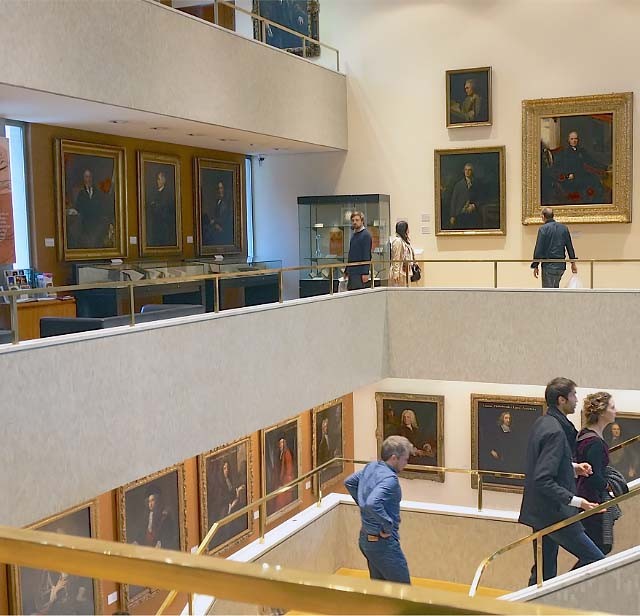
The museum’s physical home is as significant as the treasures it protects. Housed within a Grade I listed building, the architecture speaks volumes about the institution's enduring legacy. Constructed in 1934 by Lasdun Architects, this striking example of post-war design eschews traditional, ornate grandeur in favor of a serene and modern simplicity—a deliberate choice that reflects the College’s commitment to scholarly pursuit and quiet reflection. The building’s soaring atrium floods the interior with natural light, creating an atmosphere that feels both monumental and welcoming. Its smooth concrete surfaces, punctuated by precise geometric patterns, symbolize the order and precision central to the medical ethos, providing a sophisticated backdrop that resonates deeply with the sensibilities of contemporary interior designers and lovers of modernist aesthetics.
The history of the institution is rooted in the very foundations of English medicine, having been established in 1518 by royal charter from King Henry VIII. As the oldest medical college in England, the Royal College of Physicians carries an immense weight of tradition. The museum’s exhibits trace this long evolution, showcasing ancient and medieval manuscripts alongside artifacts that illustrate groundbreaking scientific shifts. One might find themselves captivated by illuminated Gospels from Canterbury Cathedral, which highlight how medicine was once viewed alongside religion as a vital component of human flourishing. This deep historical well allows the museum to host exhibitions that explore diverse themes, ranging from Renaissance anatomical art to the profound impact of scientific breakthroughs on public health policy, ensuring that the narrative remains dynamic and ever-evolving.
A Unique Convergence of Insight and Artistry
What truly distinguishes the Royal College of Physicians Museum is its unique ability to bridge the gap between historical context and contemporary relevance. It is a rare space where medical professionals can gain a deeper appreciation for their discipline's roots, while history enthusiasts and art collectors can discover the fascinating stories behind scientific breakthroughs. The museum does not shy away from confronting difficult questions regarding medical ethics and societal responsibility; instead, it presents them as integral parts of the larger narrative of human progress. This thoughtful curation makes the museum an essential destination for those who seek to understand how the values of compassion and moral deliberation have shaped the very art of healing, making every visit a profound encounter with the essence of humanity.