

A Bastion of Valor Amidst Stone and Shadow
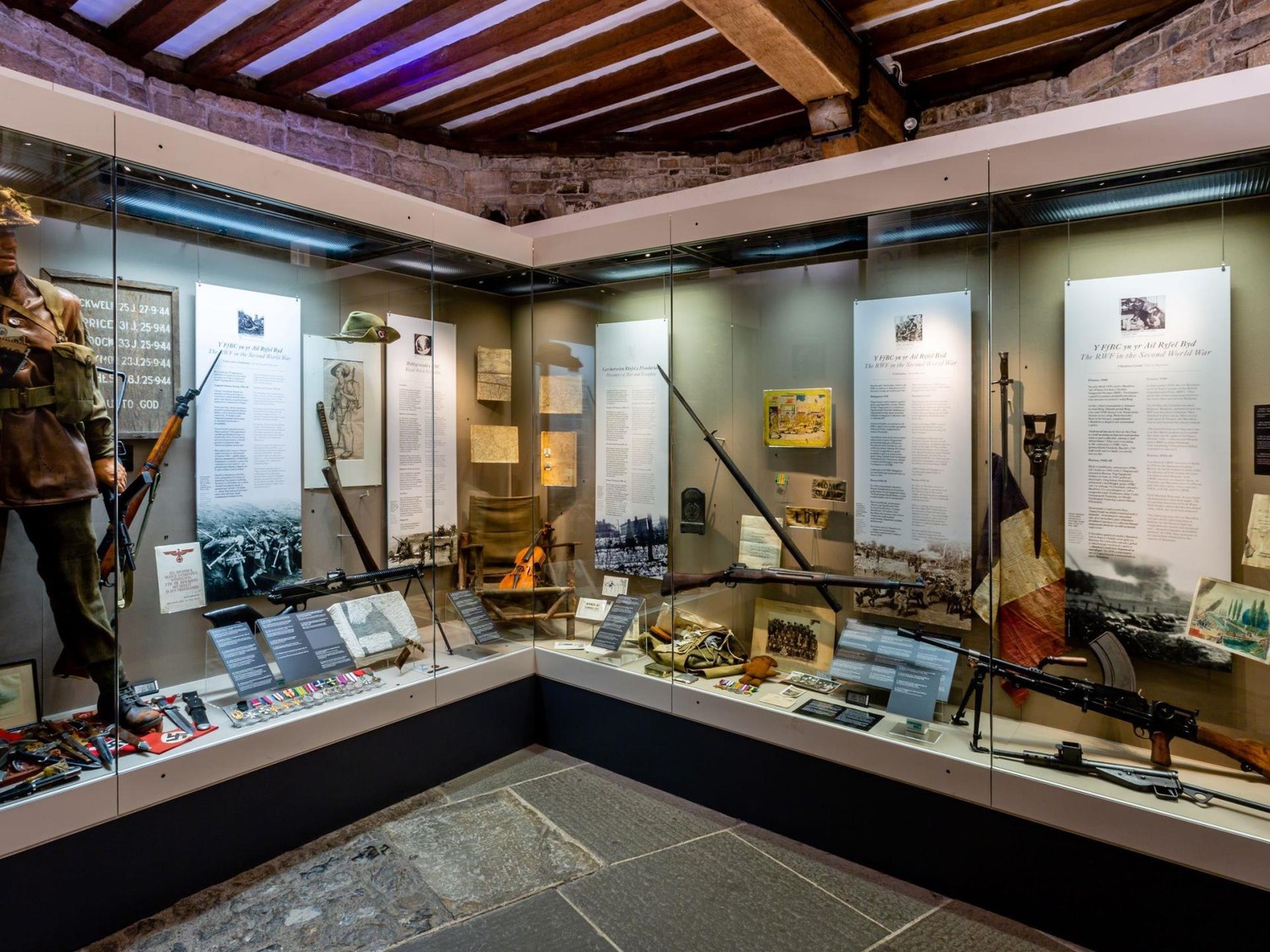
Nestled within the formidable stone embrace of Caernarfon Castle, a UNESCO World Heritage site in North Wales, lies a treasure trove of military history and artistic representation: the Royal Welch Fusiliers Regimental Museum. To enter this space is to step into a living chronicle where the very stones of the castle seem to whisper tales of courage and sacrifice. The museum provides a uniquely resonant backdrop for its contents, offering an immersive journey that spans over three centuries. Founded in 1689 amidst the political upheaval of the Glorious Revolution, the museum meticulously preserves the legacy of one of Britain's most distinguished regiments, presenting a narrative that is as much about the human spirit as it is about military precision.
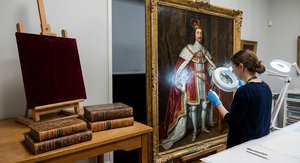
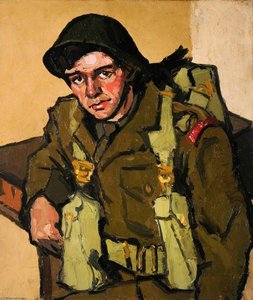
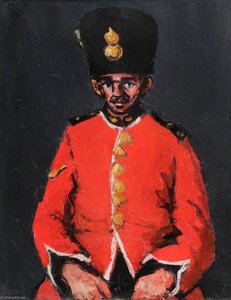
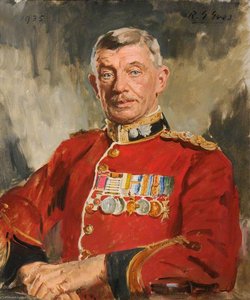
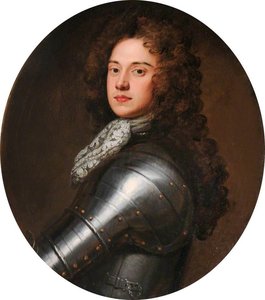
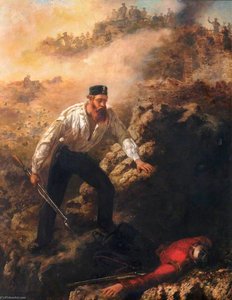
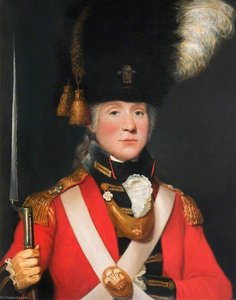
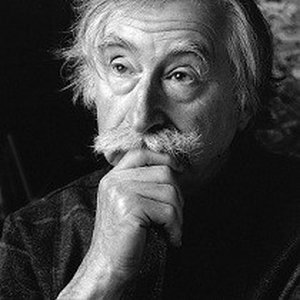
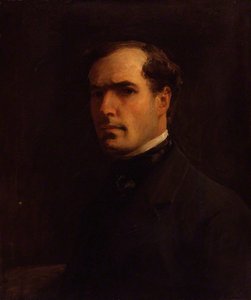
The collection’s narrative transcends the mere display of weaponry and uniforms. While the impressive detail of regimental attire offers a tangible connection to the lives of those who wore them, the museum is profoundly enriched by a compelling array of historical artworks. Paintings by renowned artists such as John Kyffin Williams and Richard Simkin serve as more than simple illustrations of battle; they capture the visceral feeling of conflict, the quiet camaraderie of soldiers, and the stark, often haunting realities of war. For the art lover, these works offer a poignant counterpoint to the functional displays, reminding every visitor that behind every medal and uniform lies a deeply human story waiting to be told.
Where Literature Meets the Battlefield
Beyond its military focus, the museum holds a unique position in literary history, creating a space where the echoes of poetry and prose mingle with the clatter of arms. The regiment famously attracted several notable writers who served within its ranks during the crucible of World War I, most prominently Siegfried Sassoon and Robert Graves. Their experiences profoundly shaped their writing, offering unflinching, visceral portrayals of the horrors of trench warfare and the psychological toll of combat. By showcasing excerpts from their works alongside regimental memorabilia—personal letters, diaries, and instruments—the museum creates a holistic narrative that explores the intersection of art, literature, and history.
This intersection elevates the institution beyond a purely military museum; it becomes a sanctuary for reflection on the human condition. The curation invites collectors and historians alike to contemplate how service informs artistic output, making the museum a vital educational resource for anyone interested in literary analysis or the complexities of national identity. It is a place where the heavy weight of history is lightened by the enduring power of storytelling, allowing visitors to connect with the past on an emotional level that is both profound and lasting.
A Legacy Etched in Tradition
What truly distinguishes the Royal Welch Fusiliers Regimental Museum is its seamless integration with the architectural grandeur of Caernarfon Castle. Housed within two historic towers, the museum’s presence is an extension of the castle's own storied past. The deliberate retention of the archaic spelling “Welch” in the regiment’s name serves as a subtle yet powerful nod to its historical origins, offering insights into the evolution of language and Welsh identity. This commitment to tradition provides a sense of continuity that is rare in the modern world.
For the interior designer or the enthusiast of historical atmosphere, the museum represents the pinnacle of thematic storytelling. It offers a glimpse into a world where every artifact—from the fourteen Victoria Crosses to the personal effects of soldiers—contributes to a larger tapestry of Welsh heritage and British bravery. Whether exploring the campaigns of William III, the Napoleonic Wars, or the transformative eras of the World Wars, visitors find themselves part of a continuous thread of history that remains as vibrant and essential today as it was three centuries ago.