

A Renaissance Sanctuary: The Soul of Bergamo
Nestled amidst the sun-drenched, terracotta rooftops of Bergamo’s historic Pignolo district, the church of San Bernardino stands as a profound testament to the enduring power of Renaissance devotion. It is not merely an ecclesiastical structure but a curated sanctuary where the spiritual and the aesthetic converge in a breathtaking display of Lombardy’s artistic heritage. Founded in 1411 by the Franciscan friar San Bernardino of Siena, the site carries the weight of centuries of pilgrimage and patronage. As one steps through its doors, the bustle of modern Italy fades, replaced by an atmosphere of contemplative stillness that invites both the wandering scholar and the discerning art lover to lose themselves in a world of divine grace and meticulous craftsmanship.
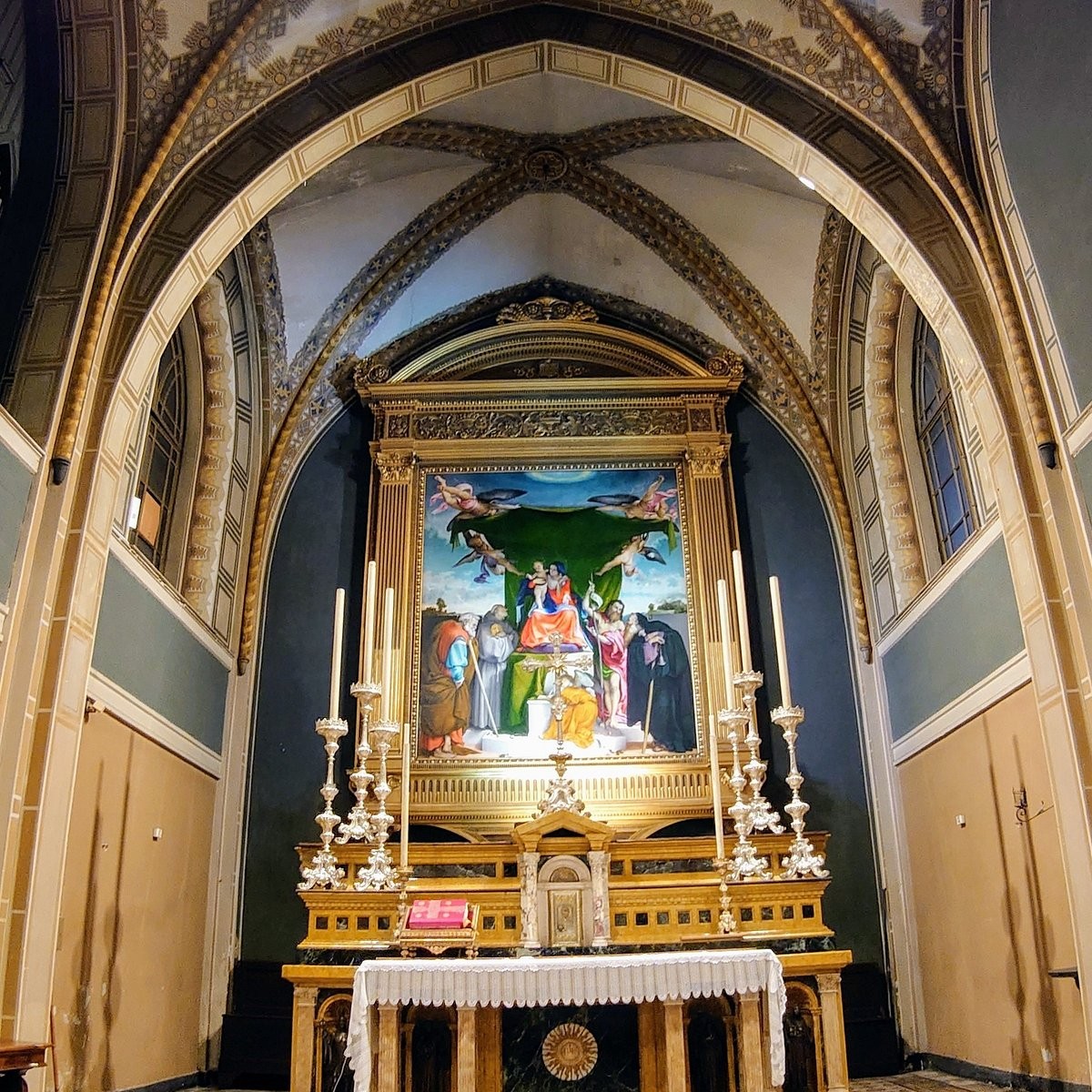
The architectural essence of San Bernardino reflects the harmonious proportions characteristic of the Lombard Renaissance style. The interior is defined by soaring arches and delicate ornamentation that guide the eye upward, creating a sense of celestial expansion within a relatively intimate space. This architectural elegance provides the perfect stage for its most precious treasures, acting as a serene frame for works that demand quiet, focused observation. The church’s bell tower, rising gracefully against the Bergamo skyline, serves as a constant reminder of the site's historical role as a beacon of faith and a landmark of regional identity.
Masterpieces of Light and Devotion
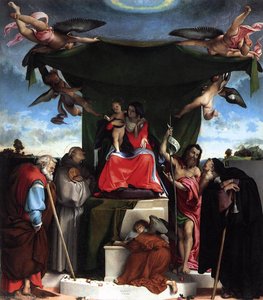
At the very heart of this sacred space lies a masterpiece that commands absolute reverence: Lorenzo Lotto’s San Bernardino Altarpiece . Completed in 1521, this monumental canvas is a triumph of Venetian-influenced artistry, blending profound emotional depth with a sophisticated use of light and color. In this work, the Virgin Mary is enthroned amidst a celestial assembly of saints, including Anthony Abbas, Joseph, John the Baptist, and Bernard. Lotto’s ability to infuse the divine with human emotion—capturing the subtle textures of fabric and the dramatic interplay of shadow—creates a sense of realism that was revolutionary for its time. Scholars often note how Lotto’s brushwork here reflects the influence of Raphael, yet it retains a unique, idiosyncratic spirit that makes this altarpiece an incomparable jewel of the sixteenth century.
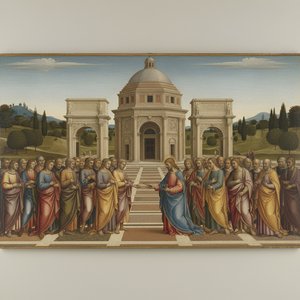
The spiritual narrative of the church is further enriched by the presence of Pietro Perugino’s evocative depiction of The Miracles of San Bernardino . This panel serves as a window into the saint's legendary compassion, illustrating scenes of divine intervention and healing with a masterful, ethereal beauty. Perugino’s soft, luminous technique complements Lotto’s more dramatic approach, creating a dialogue between different facets of Renaissance mastery within a single hall. For collectors and interior designers seeking inspiration, the church offers a masterclass in how art can transform a space, turning a physical structure into an immersive emotional experience.
An Unforgettable Encounter
San Bernardino in Pignolo remains a rare destination where the intimacy of the setting allows for a personal, almost private encounter with the giants of art history. It is a place where the textures of the past are palpable, offering a profound sense of continuity between the Renaissance masters and the modern observer. Whether one is drawn by the technical brilliance of Lotto's shadows or the serene grace of Perugino's light, the sanctuary provides an unparalleled opportunity to witness the intersection of human skill and divine inspiration.