
A Renaissance Jewel in the Heart of Tuscany
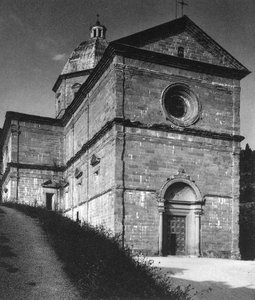
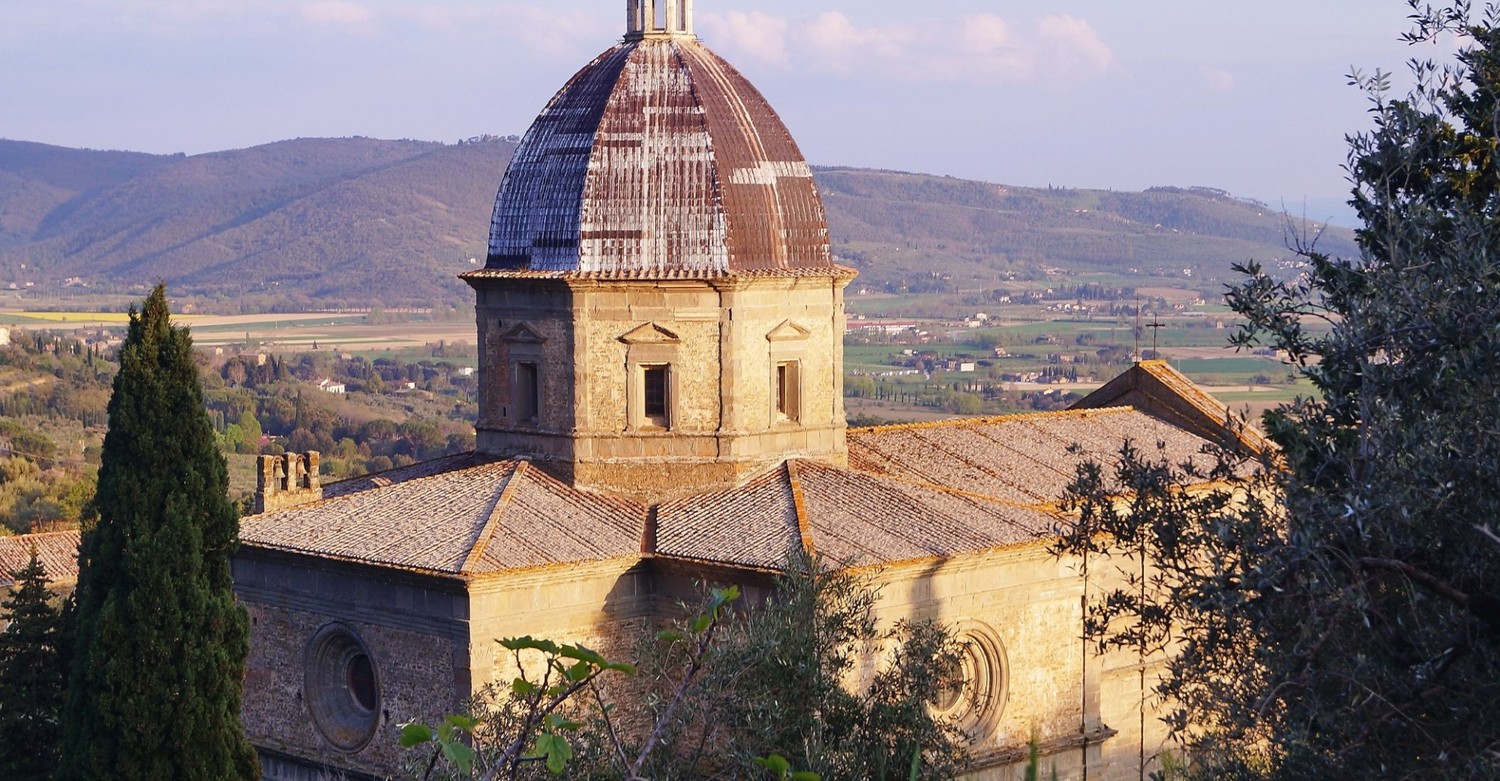
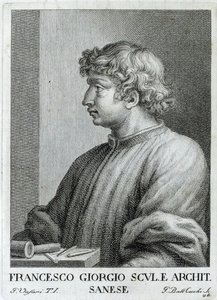
Nestled within the sun-drenched hills of Cortona, where olive groves carpet the landscape beneath ancient city walls, lies a sanctuary that transcends mere architecture. The Santa Maria delle Grazie al Calcinaio is not simply a place of worship; it is a profound dialogue between stone, light, and divine mystery. This architectural masterpiece, born from the visionary mind of Francesco di Giorgio Martini , stands as one of the most exquisite expressions of High Renaissance ideals in Italy. To step inside its walls is to leave the modern world behind and enter a realm where the principles of harmony, proportion, and mathematical grace dictate every curve and shadow.
The very foundation of this sanctuary is steeped in the miraculous. Legend whispers of an Easter Sunday in 1484, when a worker tending to a limekiln—the calcinaio from which the church derives its name—beheld a celestial vision: a painting of the Madonna and Child appearing upon a rugged rock wall. This spontaneous manifestation of faith transformed a site of labor into a site of pilgrimage, prompting the construction of a structure worthy of such a divine encounter. The architecture itself reflects this transition from the earthly to the ethereal, utilizing a Latin cross plan that achieves a breathtakingly balanced interior, reminiscent of the Brunelleschian tradition.
Architectural Harmony and Artistic Splendor
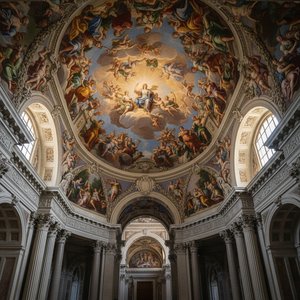
For the admirer of structural elegance, the sanctuary offers an unparalleled study in Renaissance geometry. Martini, a master engineer and theorist, infused the building with his radical concepts of the "ideal city," prioritizing a sense of equilibrium that resonates through the nave and its flanking side chapels. The eye is naturally drawn upward toward the intersection of the presbyoret, where a magnificent dome crowns the space, creating an expansive sense of volume. This architectural rhythm is further enriched by the delicate play of light, most notably through a stunning rose window featuring stained glass by the French master Guillaume de Marcillat , which casts kaleidoscopic hues across the sacred floor.
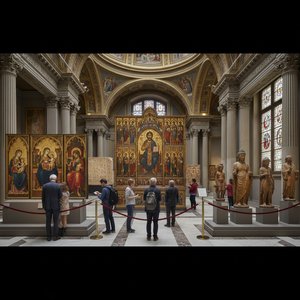
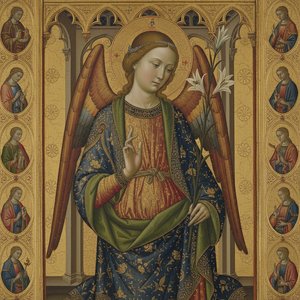
The collection housed within this sanctuary serves as a vibrant tapestry of Tuscan devotion. Art lovers will find themselves captivated by the meticulous detail of Renaissance masters who sought to capture the spiritual essence of their subjects. In the right transept, the Madonna and Saints by the Florentine artist Alessandro Allori stands as a testament to late-16th-century virtuosity, blending grace with a sophisticated use of color. Elsewhere, the presence of works such as the Florentine altarpiece by Jacone —depicting the Madonna Enthroned alongside St. John the Evangelist and other venerated saints—invites a deep, contemplative engagement with the iconography of the era.
A Timeless Destination for the Discerning Soul
What distinguishes Santa Maria delle Grazie al Calcinaio from the many treasures of Italy is its unique ability to blend historical gravity with an atmosphere of serene beauty. It is a destination that appeals equally to the scholar tracing the evolution of Martini’s architectural theories, the collector seeking inspiration in the nuances of Renaissance brushwork, and the interior designer captivated by the interplay of classical proportions and light. The sanctuary remains a living monument, having hosted significant exhibitions that continue to illuminate the complexities of religious iconography and Tuscan heritage.
Beyond its artistic offerings, the sanctuary provides a sensory experience that is difficult to replicate. The panoramic views from its terrace, overlooking the undulating hills of Cortona, offer a moment of profound peace. It is a place where the weight of history feels light, and where the legacy of the Renaissance continues to breathe through every carved stone and painted saint. For those wandering through the heart of Tuscany, this sanctuary remains an essential pilgrimage—a rare encounter with the sublime where beauty and faith remain eternally entwined.