
A Woven Chronicle of Conquest and Devotion
In the quiet, historic heart of Pastrana, Spain, lies a sanctuary where threads of silk and wool whisper the epic tales of a bygone era. The Tapestry Parish Museum of Pastrana is not merely a repository of textiles; it is a breathtaking portal into the mid-15th century, offering an intimate encounter with the Flemish-Gothic mastery that once adorned the halls of royalty. As one enters the hallowed space of the Collegiate Church of Our Lady of the Assumption, the air seems to thicken with the weight of history and the grandeur of religious devotion. This museum serves as a rare jewel for art connoisseurs and interior designers alike, presenting a collection where narrative storytelling is etched into every meticulously woven fiber.
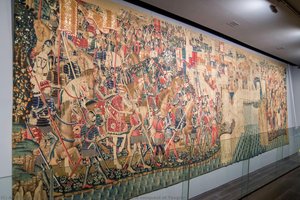
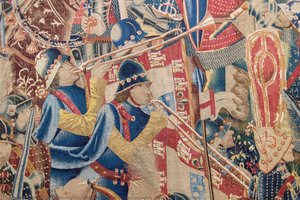
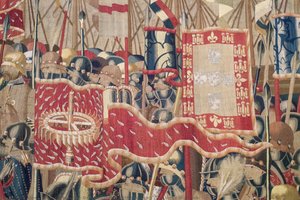
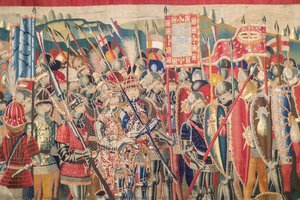
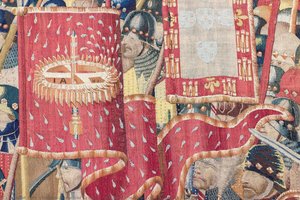
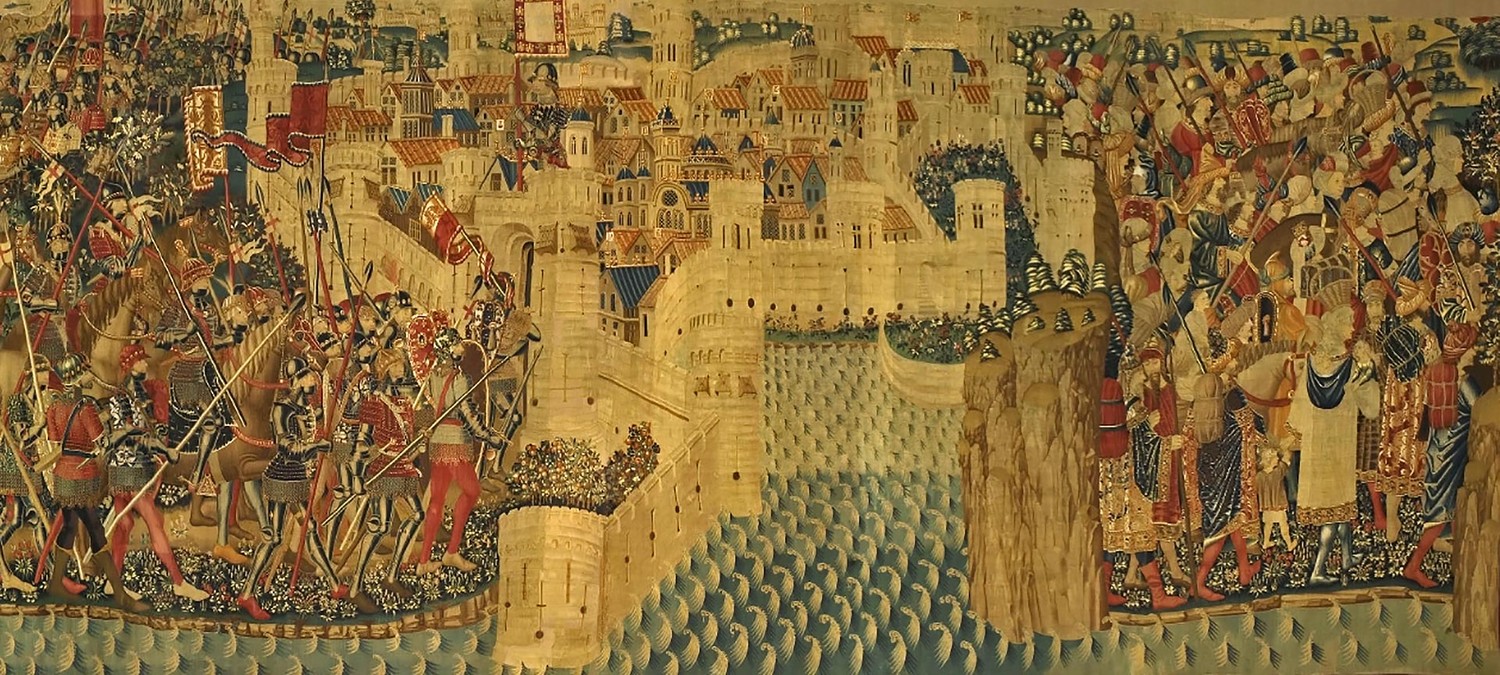
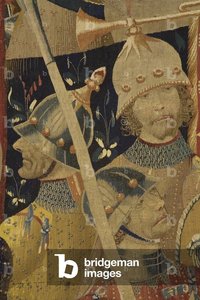
The crown jewels of this collection are undoubtedly the four monumental tapestries commissioned by King Alfonso V of Portugal. These colossal works, each measuring an imposing eleven meters by four meters, serve as a vibrant, tactile chronicle of the Portuguese conquests in North Africa. Through the skilled hands of Nuño Gonçalves and his Tournai workshop, scenes of the landings at Asilah and the fall of Tangier come to life with unparalleled dramatic intensity. To behold these tapestries is to witness a symphony of heraldic emblems, battle maneuvers, and figures embodying Christian virtues, all rendered in a sophisticated palette that has defied the passage of centuries. For those drawn to the intersection of historical documentation and high artistry, these textiles represent the pinnacle of Renaissance-era propaganda and craftsmanship.
Architectural Grandeur and the Gothic Legacy
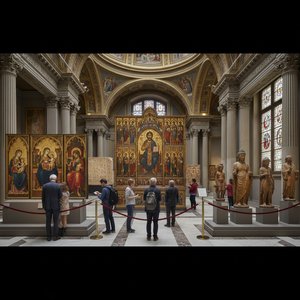
The experience of the museum is inseparable from its architectural vessel, the 13th-century Collegiate Church. The structure itself is a masterpiece of Spanish Gothic design, characterized by soaring vaulted ceilings and intricate ribbed stone masonry that directs the gaze upward in a gesture of spiritual aspiration. This architectural framework provides more than just a setting; it creates a contemplative atmosphere that enhances the viewing of the tapestries. The interplay of light and shadow within the nave complements the rich textures of the woven scenes, allowing the subtle sheen of silk to catch the eye amidst the heavy, matte presence of wool. It is a harmonious marriage of stone and thread, where the permanence of the church meets the delicate, yet enduring, nature of the textile art.
Beyond its physical beauty, the museum stands as a testament to the profound influence of aristocratic patronage in the Iberian Peninsula. The history of Pastrana is woven into the very fabric of these works, reflecting a time when wealthy families and religious institutions collaborated to shape the cultural landscape through monumental artistic endeavors. Recent scholarly efforts and exhibitions have further illuminated this legacy, delving into the stylistic connections between these Flemish-Gothic masterpieces and the broader European artistic movements, including the works of Jaume Cabrera. As researchers continue to explore the pigments and weaving techniques used in these treasures, the museum remains a living laboratory of art history, inviting visitors to rediscover the profound connection between human ambition and artistic excellence.