


A Symphony of Scientific Inquiry
While many institutions of prestige are defined by the silent grandeur of oil on canvas or the stoic presence of marble sculpture, the Tata Institute of Fundamental Research (TIFR) in Mumbai offers a different, more profound kind of aesthetic experience. It is a space where the medium is not pigment, but light, matter, and the very fabric of the cosmos. Founded in 1945 by the visionary physicist Homi Bhabha, TIFR serves as a living gallery of human intellect, a place where the pursuit of truth creates its own form of sublime beauty. To walk through its halls is to witness the choreography of discovery, an ongoing exhibition of the universe's most intricate secrets being unraveled by the brightest minds of a nation.
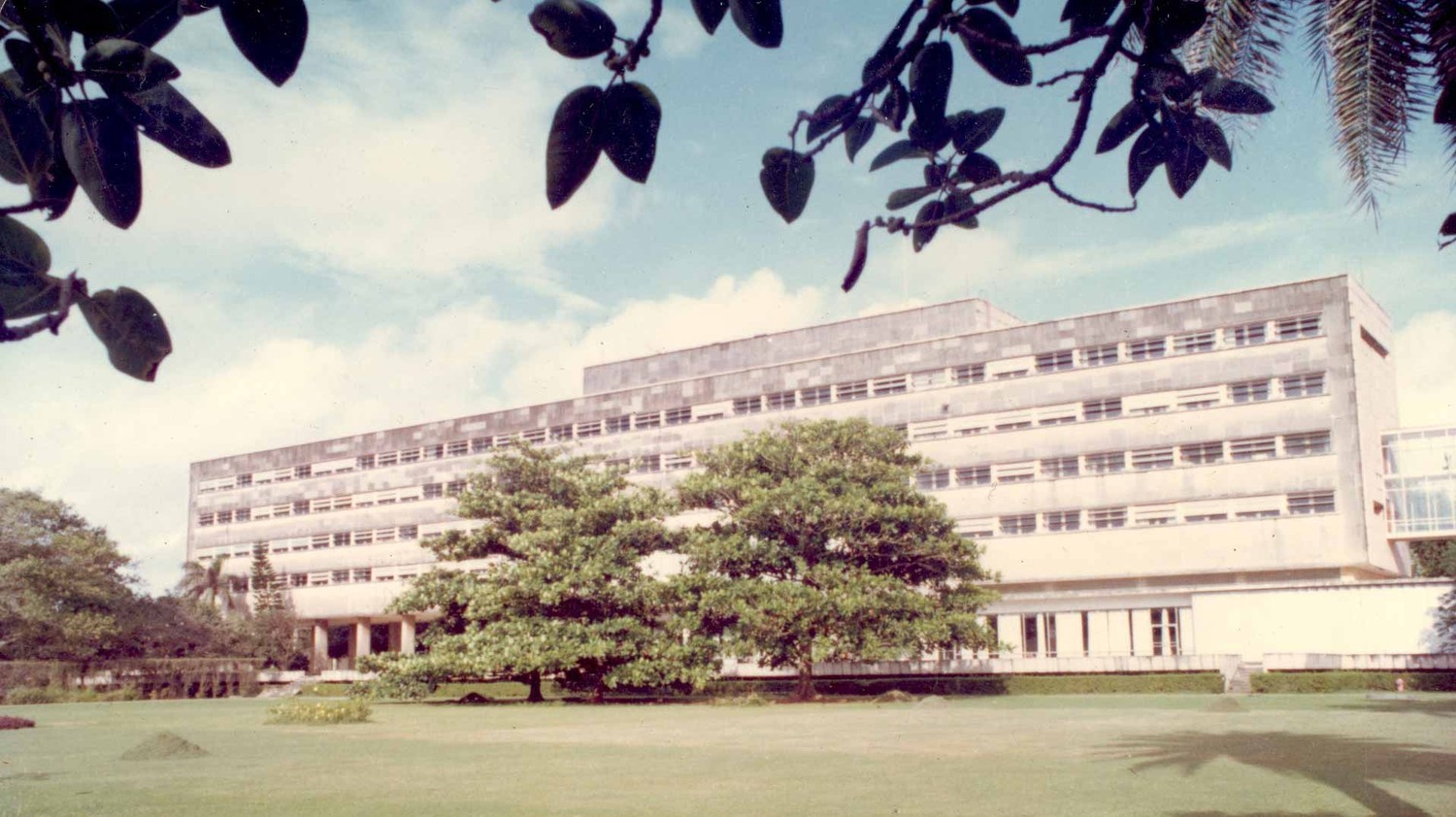
The architecture of the institute, particularly the modernist design envisioned by Helmuth Bartsch, acts as a physical manifestation of scientific clarity. The structure prioritizes light and open space, creating an environment that mirrors the transparency and collaborative spirit essential to research. This architectural intentionality fosters a sense of boundless exploration, where the boundaries between disciplines—from the abstract elegance of mathematics to the complex biological rhythms of life—seem to dissolve. For the observer, the institute is not merely a collection of laboratories, but a curated landscape of innovation, where every corner holds the potential for a paradigm shift.
Masterpieces of Cosmic Scale
The true masterpieces within this institution are found in its monumental scientific achievements, which possess a scale and grandeur that rival any classical monument. The Giant Metrewave Radio Telescope (GMRT) stands as a crowning jewel of this collection, an engineering marvel that allows us to peer into the deep past of our universe. There is a profound, almost poetic beauty in the way these instruments capture radio waves from distant galaxies, translating invisible signals into a coherent narrative of cosmic evolution. This collection of scientific progress offers a visual and intellectual depth that transcends traditional art forms.
Within the archives of TIFR, one finds a striking documentary series that captures the geometric elegance of scientific progress. Notable highlights include:
- The Ooty Radio Telescope Site: Captured through evocative black and white photography, these images reveal the intersection of human ingenuity and the natural landscape, showcasing the aerial majesty of the hill station installations.
- The Control Room Chronicles: Striking documentary photographs of the Ooty Radio Telescope control room present a geometric space where Indian scientific innovation is etched in every shadow and light beam.
- Historical Portraits of Innovation: Rare photographic captures, such as those featuring Prof. Govind Swarup explaining the intricacies of the telescope, serve as intimate portraits of the minds that shaped modern radio astronomy.
A Legacy of Connection
Beyond its technical prowess, TIFR is defined by its enduring legacy of outreach and global connection. It is an institution that refuses to remain cloistered within its walls, instead inviting the world to participate in the wonder of discovery through public lectures and international collaborations. For collectors of knowledge and lovers of profound human achievement, TIFR represents a unique intersection of art and science. It reminds us that the most enduring works of art are not always those we hang on a wall, but those we build within our understanding of reality itself—a continuous, breathtaking masterpiece of scientific exploration.