
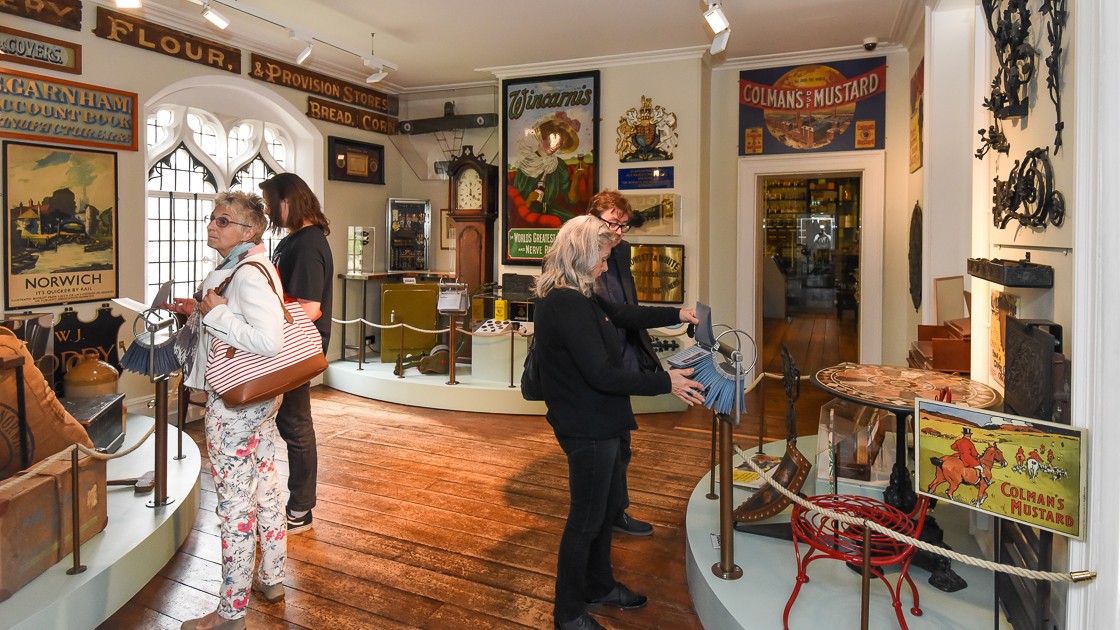
A Tapestry of Time: Unveiling Norwich’s History at The Bridewell Museum
Nestled within a remarkably preserved medieval structure in the heart of Norwich, The Bridewell Museum isn't merely a repository of artifacts; it’s an immersive journey through centuries of East Anglian life. From its origins as a grand residence to its transformation into a house of correction and finally, a bustling factory, the building itself – a testament to adaptive resilience – whispers stories of Norwich’s enduring spirit. Stepping inside is akin to entering a living history book, where brick-vaulted undercrofts hint at aristocratic grandeur, while meticulously recreated spaces offer glimpses into the daily rhythms of ordinary citizens. The museum's collection isn’t simply displayed; it’s woven into the very fabric of the building, creating an unparalleled connection with the past.
- Medieval Grandeur: The surviving fragments of the original medieval structure – particularly the extensive brick-vaulted undercrofts – speak volumes about the wealth and status of its earliest inhabitants. These spaces, once part of the Appleyard family’s residence, evoke a sense of understated opulence, offering a tangible link to Norwich's prominent civic life in the 14th century.
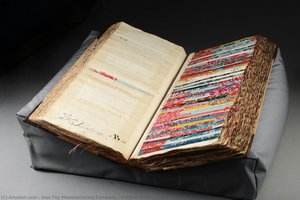
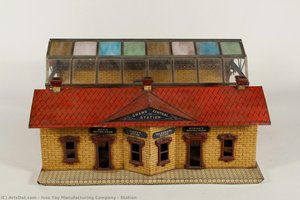
- Industrial Innovation: Beyond the medieval core, the museum charts Norwich’s rise as a thriving hub of trade and industry. The collection showcases the city’s diverse manufacturing heritage – from intricate celebration crackers to vital components for aircraft, even the legacy of Colman's Mustard, inextricably linked with Norwich’s identity.
- Intimate Details: Don’t overlook the museum’s quieter corners; a meticulously recreated Victorian pharmacist’s shop, brimming with over 2,500 intriguing objects – mysterious concoctions, antique bottles, and forgotten remedies – offers a fascinating window into the medical practices and beliefs of the era.
The Architectural Soul of a Living Building
The Bridewell's architecture is as captivating as its collection. Originally conceived as a grand medieval residence, the building’s evolution reflects Norwich’s changing fortunes. The surviving brick-vaulted undercrofts are a particularly striking feature, providing a glimpse into the wealth and status of its earliest inhabitants – the Appleyard family, prominent figures in Norwich’s civic life. The transformation from residence to house of correction (a ‘bridewell’) is evident in the stark contrast between the refined medieval elements and the utilitarian spaces designed for confinement. Later, as a factory, the building adapted once more, showcasing the resilience of its structure and the ingenuity of its occupants. The recent restoration of Samson, the iconic statue that once stood at Samson and Hercules House, adds another layer to this rich narrative – a symbol of strength and perseverance deeply rooted in Norwich’s history.
Echoes of Daily Life and Civic Duty
The museum doesn't simply focus on grand narratives of commerce and innovation; it delves into the intimate details of everyday life. The Victorian pharmacist’s shop is a particular highlight, offering a tangible connection to the past. But perhaps most powerfully, the museum explores Norwich’s past as a house of correction, revealing the harsh realities faced by those who found themselves within its walls. The recently restored Samson statue – a symbol of strength and resilience – serves as a poignant reminder of this complex history. It's a building that has endured through centuries of change, continually reinventing itself while preserving its essential character.
A Museum for All Seasons
The Bridewell Museum is not simply a static display of historical artifacts; it’s a dynamic and engaging space designed to appeal to visitors of all ages. Interactive exhibits encourage hands-on learning, bringing history to life in a way that resonates with both children and adults. Temporary exhibitions regularly introduce fresh perspectives on Norwich’s past, delving into specific themes or showcasing newly discovered collections. The museum also offers a robust program of educational workshops and events, fostering a deeper appreciation for the city’s heritage within the local community and beyond. Whether you are an art collector seeking inspiration from historical textiles, an interior designer searching for authentic period details, or simply a curious traveler eager to uncover the secrets of Norwich’s past, The Bridewell Museum promises an enriching and unforgettable experience.
Preserving the Past, Inspiring the Future
The Bridewell Museum stands as a vital cultural institution, dedicated not only to preserving Norwich’s history but also to making it accessible and relevant for future generations. It is a place where stories are told, connections are made, and the enduring legacy of this remarkable city is celebrated. A visit here isn't just about looking at objects; it’s about stepping into the past, understanding the present, and gaining a renewed appreciation for the forces that have shaped our world.