
A Tapestry of Tyrolean Soul: The Ferdinandeum Legacy
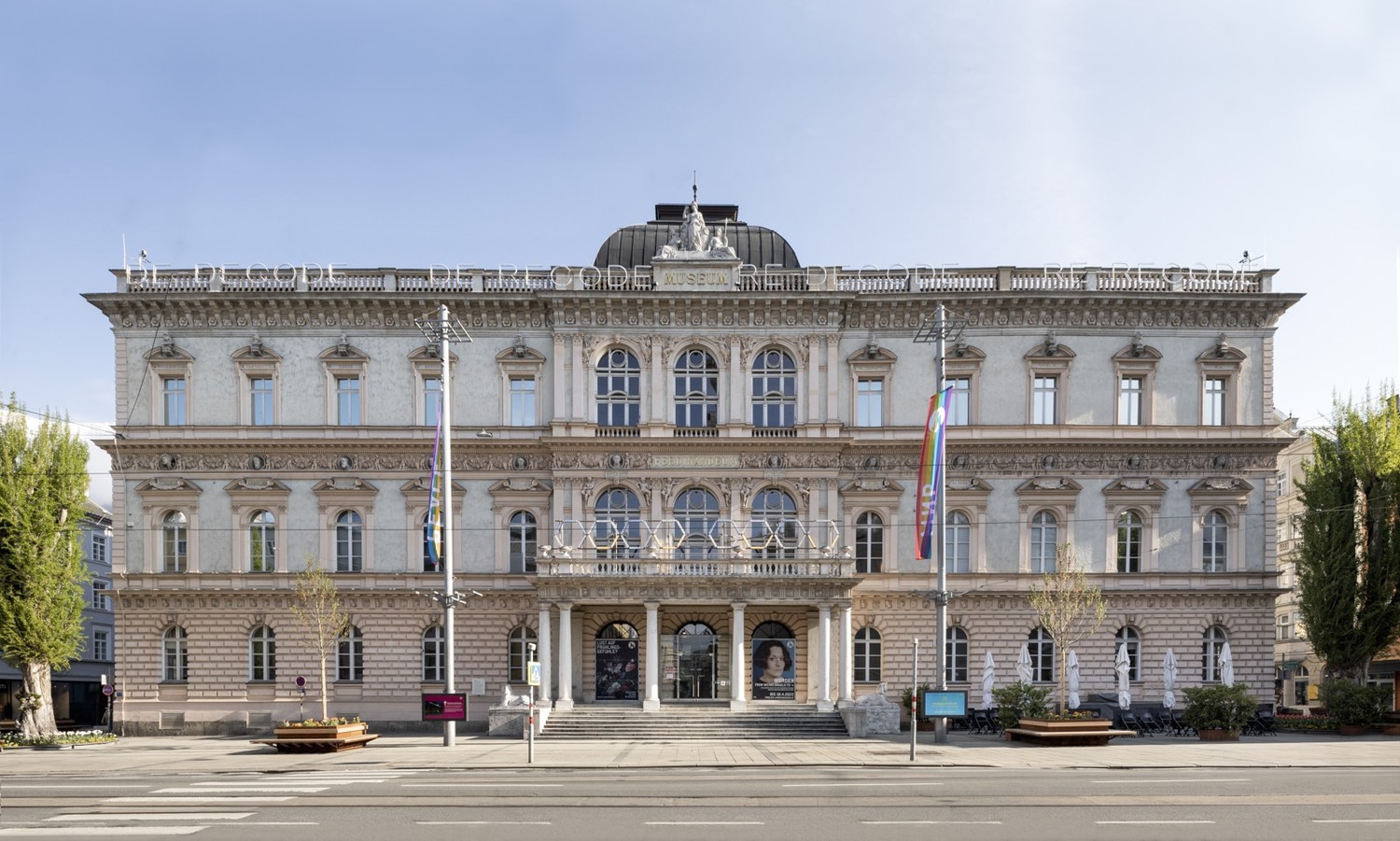
In the heart of Innsbruck, where the rugged peaks of the Alps meet the refined elegance of imperial history, lies the Tiroler Landesmuseum Ferdinandeum. This is not merely a museum; it is a profound chronicle of human creativity and regional identity, spanning an incredible thirty millennia. To step into its halls is to embark on a journey that begins in the silent depths of the Stone Age and traverses through the luminous eras of the Romanesque and Gothic, eventually arriving at the vibrant pulse of contemporary abstraction. For the art lover, the museum offers a rare intimacy with the past, presenting a collection where the sacred meets the secular, and where the natural world of Tyrol is reflected in every brushstroke and sculpted form.
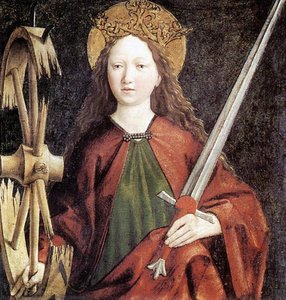
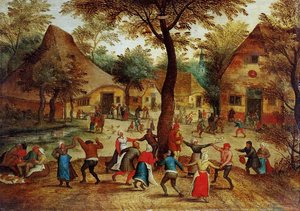
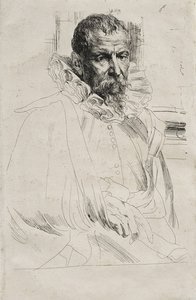
The museum’s collection serves as a breathtaking dialogue between different epochs and geographies. One might find themselves captivated by the masterful chiaroscuro of Rembrandt van Rijn, whose dramatic light and shadow breathe life into scenes of human vulnerability, or lost in the intricate, pious narratives of Michael Pacher, whose monumental altar panels remain cornerstones of Alpine spiritual art. The collection further expands its horizons with the humanist elegance of Lucas Cranach der Ältere and the sweeping, idyllic landscapes of Joseph Anton Koch, which capture the very essence of the Tyrolean vistas. For collectors and designers seeking inspiration in texture and heritage, the museum’s unique treasures—ranging from a singular collection of Dutch masterpieces to the delicate, resonant strings of instruments crafted by the legendary lute maker Jakob Stainer—provide an inexhaustible wellspring of aesthetic wonder.
Architectural Grandeur and the Spirit of Transformation
The architecture of the Ferdinandeum is a testament to the enduring prestige of Innsbruck. The museum’s stately façade, echoing the grandeur of the Habsburg era, stands as a sentinel of history in the city. Having undergone significant renovations to balance its historical weight with modern functionality, the building complex reflects the evolution of Tyrol itself—from a feudal principative to a sophisticated modern republic. Even as the institution undergoes a period of profound transformation through large-scale renovations aimed at expanding its exhibition spaces, it maintains its presence through the "Ferdinandeum on the Move" initiative, ensuring that its artistic mission remains unconfined by walls.
What truly distinguishes this institution is its dual role as both a sanctuary for art and a rigorous center for scholarly research. The museum does not simply display objects; it interrogates them. Through the publication of scientific yearbooks and meticulous provenance research, the Ferdinandeum contributes actively to the global academic discourse. This commitment to truth and discovery extends to its diverse holdings, including the fascinating Qajar art collection and the exploration of works with complex histories. For the discerning visitor, this layer of intellectual depth transforms a simple gallery visit into a profound encounter with the complexities of cultural heritage and the enduring quest for historical clarity.
An Ever-Evolving Canvas of Innovation
Beyond its role as a guardian of antiquity, the Ferdinandeum is a vibrant participant in the contemporary art scene. The museum has long been a stage for groundbreaking exhibitions that bridge the gap between tradition and the avant-garde. The presence of works by artists such as Markus Prachensky, whose abstract geometric compositions draw inspiration from the precision of Mondrian, demonstrates the museum's openness to the radical shifts of modernism. This intersection of the ancient and the experimental creates a unique atmosphere where the echoes of medieval craftsmanship harmonize with the bold strokes of contemporary expression.
For interior designers and curators, the Ferdinandeum offers a masterclass in the power of narrative through objects. The museum’s ability to weave together disparate elements—the heavy bronze of imperial memorials, the delicate artistry of fine lace, and the striking geometry of modern abstraction—serves as an inspiration for creating spaces that are both historically grounded and forward-looking. It remains a vital cultural beacon, inviting all who enter to discover the hidden stories etched into the very fabric of Tyrolean history.