


A Sanctuary of Healing and Heritage
In the heart of Bristol, where the pulse of the United Kingdom meets a profound legacy of care, stands the University Hospitals Bristol NHS Foundation Trust. While many recognize this institution by its clinical excellence and its role as a cornerstone of regional healthcare, to the discerning eye, it represents a monumental intersection of human endurance and architectural evolution. The site, anchored by the historic Bristol Royal Infirmary, is not merely a collection of wards and laboratories but a living chronicle of medical progress. To walk through its corridors is to traverse a timeline of scientific triumph, where the very walls seem to hold the echoes of countless stories of resilience and recovery.
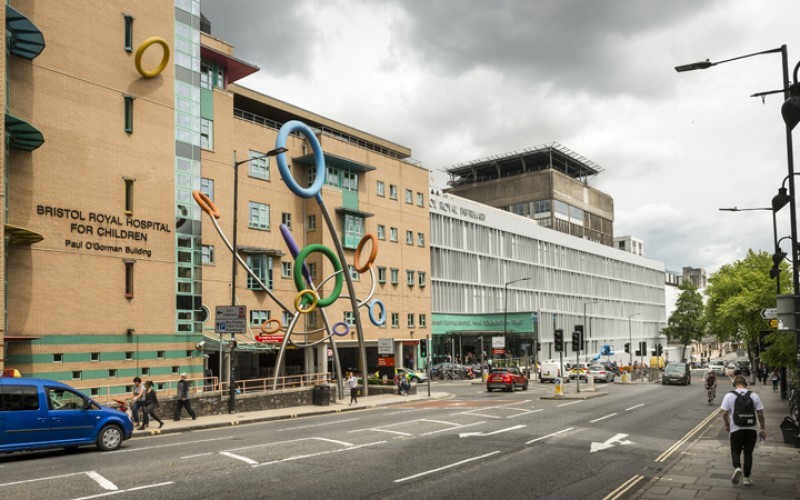
< andp>The architecture of the Trust serves as a silent narrator to the city's changing landscape. The evolution from the venerable, stone-clad structures of the past to the sleek, modern glass facades of contemporary medical wings reflects a broader movement in design—a transition from the imposing, fortress-like hospitals of the Victorian era to the light-filled, transparent sanctuaries of today. For the lover of structural aesthetics, the interplay between the heavy, historical masonry and the airy, functionalist geometry of new developments offers a captivating study in contrast. This architectural dialogue mirrors the essence of the institution itself: a steadfast commitment to tradition married to an unyielding pursuit of future innovation.Beyond its clinical functions, the Trust embodies a unique cultural significance that resonates with collectors and historians alike. It is a place where the "art" of medicine is practiced with a precision that borders on the sublime. The meticulous care, the delicate choreography of surgical teams, and the profound human connections formed within these walls constitute a form of intangible heritage. For interior designers and curators of space, the Trust presents an inspiring case study in how environments can be engineered to foster hope and tranquility. The integration of healing gardens and thoughtfully designed patient spaces demonstrates a sophisticated understanding of how light, texture, and spatial flow can influence the human spirit.
The legacy of the University Hospitals Bristol NHS Foundation Trust is defined by its role as a beacon of stability amidst the shifting tides of history. It remains a vital landmark in the United Kingdom's medical landscape, offering a profound testament to the power of collective dedication. Whether one views it through the lens of historical importance, architectural interest, or the sheer emotional weight of its mission, the institution stands as an irreplaceable jewel in Bristol’s crown—a place where the science of life meets the enduring beauty of human compassion.