The Floating World: Understanding the Essence of Ukiyo-e
 Ukiyo-e Explained: The Timeless Artistry and Cultural Legacy of Japanese Woodblock Prints
The Philosophy of the Floating World: Understanding Ukiyo-e's Transient Essence Floating Worlds: The Captivating Magic and Timeless Legacy of Japanese Ukiyo-e Art The Philosophy of the Floating World: Understanding Ukiyo-e To understand Ukiyo-e is to...
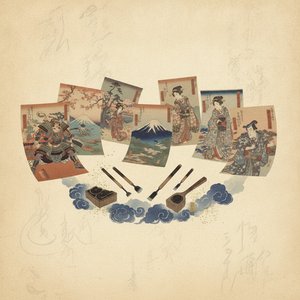
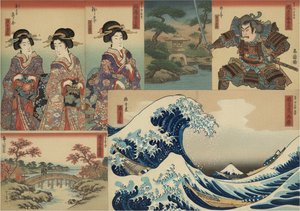
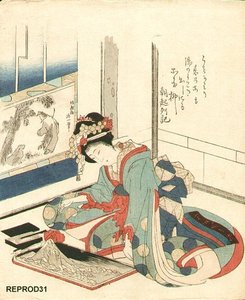
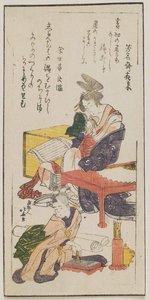
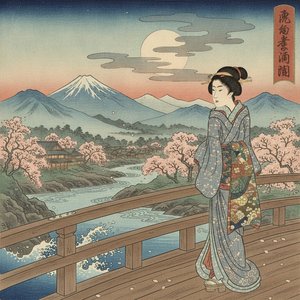
To truly comprehend the seismic shift that occurred within the global art landscape, one must first immerse themselves in the profound, bittersweet philosophy of ukiyo-e. Translating literally to "pictures of the floating world," this genre emerged from the vibrant, bustling heart of Edo-period Japan, a time when the rise of the merchant class fostered a culture captivated by the ephemeral joys of urban life. It was an era defined by a certain hedonistic grace—a celebration of the transient moment, where the beauty of a falling cherry blossom or the dramatic tension of a Kabuki performance held as much weight as any grand historical narrative.
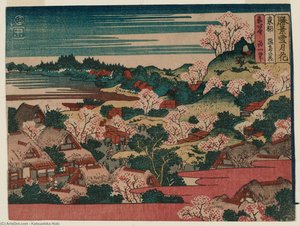
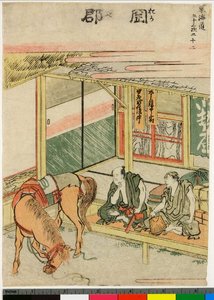
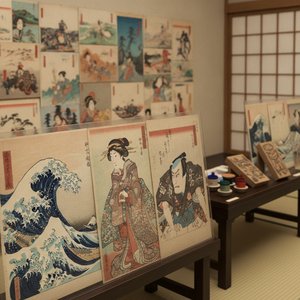
The ukiyo-e tradition was not merely an artistic movement but a mirror held up to a society in flux. Through the meticulous medium of woodblock printing, artists like the legendary Katsushika Hokusai and masters such as Utagawa Kunisada II captured the pulse of the "floating world." Their works breathed life into subjects ranging from the delicate allure of courtesans to the raw, kinetic energy of Sumo wrestlers in the ring. This art form flourished because it was accessible; unlike the aristocratic paintings of previous centuries, these prints were produced through a collaborative, sophisticated process involving artists, carvers, printers, and publishers, allowing the chōnin class to decorate their homes with scenes that reflected their own lived experiences and spiritual aspirations.
At its core, ukiyo-e is an exploration of impermanence. It invites the viewer to find divinity in the everyday and a profound sense of peace within the fleeting. This mastery of capturing the transient essence of life would soon become the very catalyst for an artistic revolution on the other side of the globe.
A Tidal Wave of Influence: The Arrival of Japanese Art in Europe
--- title: Japonisme - The Metropolitan Museum of Art author: Colta Feller Ives url: https://www.metmuseum.org/essays/japonisme hostname: metmuseum.org description: Experimentation with a wide range of pictorial modes, and with printmaking techniques...
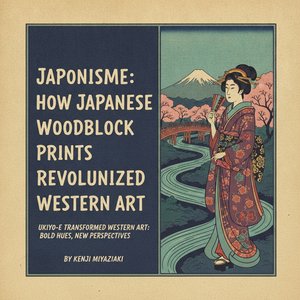
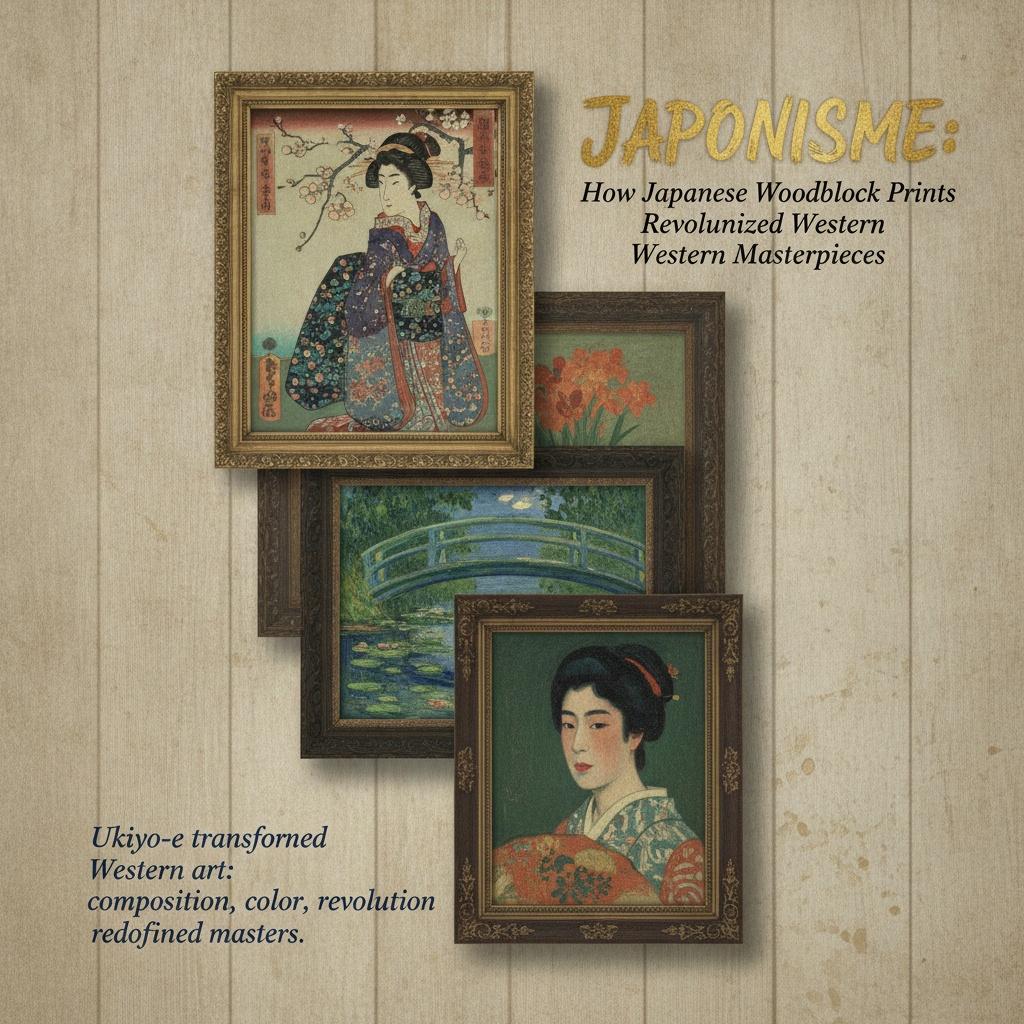
The mid-19th century witnessed a monumental collision of cultures. Following the reopening of Japanese ports to Western trade in 1853, a tidal wave of foreign imports flooded European shores, bringing with them an aesthetic that was as exotic as it was transformative. This phenomenon, famously termed Japonisme, saw the arrival of much more than mere decorative objects; it brought a new way of seeing. While Parisians first encountered Japanese arts and crafts at the World’s Fair of 1867, the influence had already begun to seep into the cultural fabric through imported fans, kimonos, and even the humble use of woodcut prints as wrapping paper in distant spice shops.
The impact on the European consciousness was immediate and profound. For artists accustomed to the rigid hierarchies and heavy shadows of Western academic tradition, the arrival of Japanese aesthetics offered a liberation from the constraints of realism. The sheer variety of textures—the luster of lacquerware, the delicate sheen of silk, and the bold, flat planes of color in woodblock prints—provided a new vocabulary for experimentation. It is said that even masters like James McNeill Whistler discovered the magic of these prints in a London tea room, finding in them a sense of balance and economy of line that their own training had never suggested.
This influx of Eastern influence acted as a creative spark, igniting a period of intense experimentation with pictorial modes and printmaking techniques. The West was no longer looking inward at its own classical heritage but outward toward an aesthetic that celebrated the decorative, the asymmetrical, and the atmospheric. This era of Japonisme would forever alter the trajectory of modern art, bridging the gap between two worlds through a shared fascination with light, color, and form.
Breaking the Perspective: How Woodblock Prints Redefined Composition
 Ukiyo-e's Greatest Hits: 10 Masterpieces That Shaped a Movement | ArtsDot
Introduction Imagine a world captured not in grand historical narratives or regal portraits, but in fleeting moments of everyday life – a Kabuki actor frozen mid-performance, the delicate beauty of a courtesan, a surging wave threatening to engulf al...
Perhaps the most radical contribution of Japanese woodblock prints to Western art was the complete deconstruction of traditional perspective. For centuries, European painting had been obsessed with the illusion of three-dimensional depth, utilizing linear perspective to create a window into a mathematically precise space. The masters of ukiyo-e, however, operated under an entirely different set of visual rules. They embraced flat planes of color, bold outlines, and a daring use of negative space that challenged the very notion of what a composition should achieve.
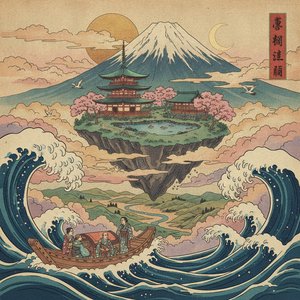
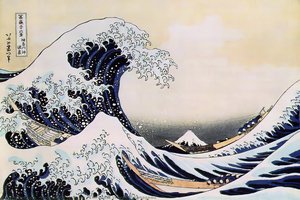
In these prints, the viewer might encounter sudden, dramatic cropping—a tree branch cutting across the foreground, or a figure partially obscured by an architectural element. This technique created a sense of immediacy and spontaneity, as if the viewer had stumbled upon a candid moment in time. The use of "bird's-eye" views and unconventional angles allowed artists to flatten the landscape, turning mountains and waves into rhythmic patterns rather than mere distant objects. Consider the iconic Great Wave off Kanagawa; it is not merely a depiction of water, but a masterclass in how scale and shape can create a sense of overwhelming power without relying on traditional vanishing points.
This departure from the "correct" way of depicting space provided Western artists with the permission to experiment. The ability to use color as a structural element rather than just a descriptive one allowed for much more expressive and emotive compositions. By stripping away the clutter of academic realism, ukiyo-e taught the West that the essence of a subject could be captured through the strength of its silhouette and the harmony of its arrangement, paving the way for the abstraction that would define the coming century.
Masters of the Impressionist Revolution: Monet, Degas, and the Japanese Aesthetic
Artists across the West felt the influence of art from Japan, and the Japanese aesthetic and way of thinking crept into the work of artists in London and New ...
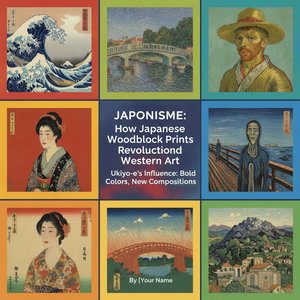
The intersection of Japonisme and the burgeoning Impressionist movement represents one of the most fertile periods in art history. For artists like Claude Monet, Edgar Degas, and Pierre-Auguste Renoir, the Japanese aesthetic was not merely a trend to be followed but a fundamental tool for reimagining light and atmosphere. The Impressionists sought to capture the "impression" of a moment—the way sunlight dances on water or how shadows shift in the twilight—and they found in ukiyo-e a perfect blueprint for this pursuit.
Claude Monet, perhaps the most devoted student of this aesthetic, famously curated his gardens at Giverny to mirror the landscapes of Japan, even constructing a Japanese bridge that echoed the compositions of his inspirations. His works reflect the influence of the woodblock print through their emphasis on light-drenched surfaces and the rejection of heavy, dark outlines in favor of color transitions. Similarly, Edgar Degas found inspiration in the asymmetrical compositions and the candid, "unposed" nature of Japanese figures. The way Degas captured dancers mid-movement or women in intimate, everyday settings mirrors the ukiyo-e fascination with the fleeting rhythms of life.
This influence extended beyond subject matter into the very technique of painting. The vibrant, often unblended colors found in Japanese prints encouraged Impressionists to use broken brushstrokes and pure pigments to create a sense of luminosity. The "floating world" had provided the Western masters with a way to break free from the weight of history, allowing them to paint not just what they saw, but how they felt the light interacting with the world around them.
The Enduring Legacy: From Edo Period Traditions to Modern Visual Language
 Hokusai's Masterpieces: 25 Iconic Prints & Paintings for Art Lovers | ArtsDot
Introduction To embark on a journey through the 25 most celebrated artworks of Katsushika Hokusai is to enter a world where ink blossoms into waves, mountains breathe with life, and everyday scenes resonate with profound beauty. These pieces aren’t m...
As we reflect on the profound legacy of Japonisme, we see that its impact transcends the boundaries of a single era or movement. The revolution sparked by the arrival of Japanese woodblock prints in Europe laid the groundwork for much of the modern visual language we recognize today. From the bold graphic design of Art Nouveau to the expressive distortions of Post-Impressionism and even the structural experiments of early 20th-century abstraction, the DNA of the "floating world" is woven into the fabric of contemporary aesthetics.
The principles of simplicity, the celebration of the ephemeral, and the courage to embrace unconventional perspectives continue to inspire artists and collectors alike. Today, when we admire a minimalist landscape or a striking, high-contrast print, we are seeing the echoes of an artistic dialogue that began centuries ago in the streets of Edo. The ability of ukiyo-e to connect disparate cultures through a shared reverence for beauty and nature remains one of the most significant achievements in the history of human creativity.
At ArtsDot.com, we celebrate this enduring legacy of craftsmanship and innovation. As a global destination for fine art enthusiasts, we specialize in bringing these historical masterpieces to life through our exquisite collection of hand-painted oil reproductions and museum-quality prints. Whether you are seeking to adorn your home with the sweeping drama of a Hokusai-inspired landscape or looking to commission a custom portrait that blends classical technique with modern sentiment, our dedicated team of academic artists is here to ensure your vision is realized with unparalleled authenticity. Discover the timeless beauty of art history through our curated selections and professional services, designed for the discerning collector who values heritage, excellence, and the eternal power of the brushstroke.