 Preview
 Send
Send Share
Share
 Details

 Download
 Similars
 X-Ray
X-Ray Diaporama
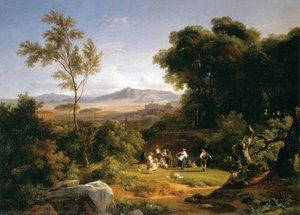
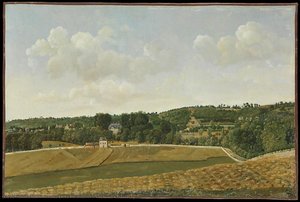
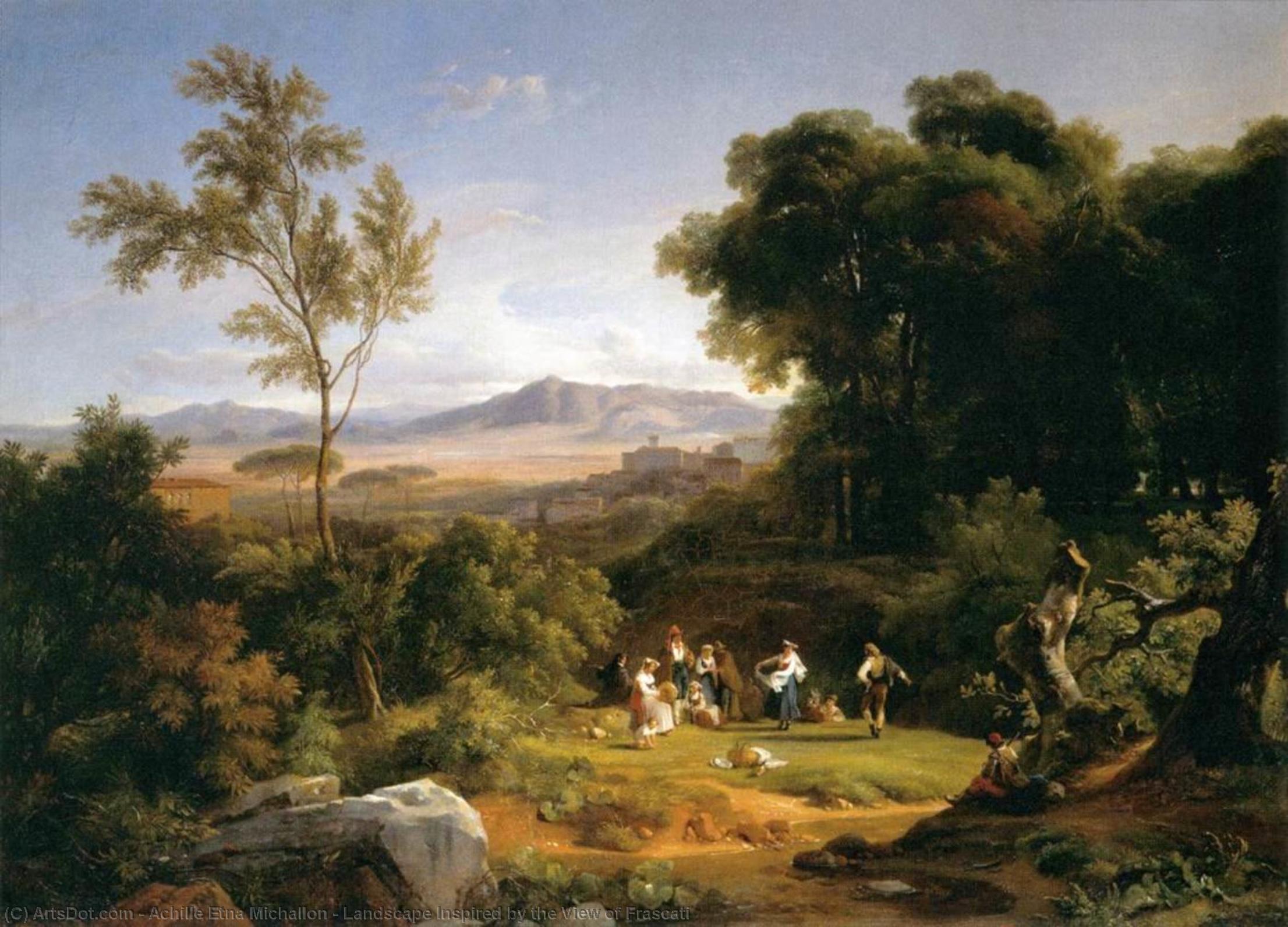
Landscape Inspired by the View of Frascati
 Acrylic On Canvas
- WallArt
- Romantic Landscape
 1822
1822- 19th Century
 127.0 x 171.0 cm
 The Louvre
 Read More
Hand Made Oil Reproduction
Hand-painted oil on canvas in your size and frame, made to order by our artists. ( Buy Print Buy Image)




P118B $10

P118H $10

P118W $10

P438Z $10

P508JH $12

P508YH $12

P805H $10

P805Z $10

P919BZ $10

P919G $10

P919XJ $10

P959ZH $10

P968JZ $12

W106C $8

W218G $10

W218JH $8

W218Y $10

W307PJ $10

W316G $10

W316PJ $8

W316Y $10

W398PJ $8

W4111J $10

W500HY $15

W500JH $15

W692G $12

W849H $8

W940BG $15

W953PJ $8




Pick from our preset sizes that match the artwork's original proportions.

You may enter your own dimensions to fit a specific frame or space. If your selected size does not match the original image's proportions, we will either crop the artwork or extend the painting with additional hand-painted elements. A digital mockup will be sent for your approval before production begins.
Please note that the on-screen preview does not reflect the actual cropping or extension. Only the mockup will accurately show the final composition.
While custom sizes are available, we recommend selecting a dimension from the predefined list to preserve the original proportions.
After order, ArtsDot.com team will email client for instructions and provide a mockup preview
Worldwide Delivery () in 3/4 weeks instead of standard 5 weeks. (16 August). No compromise on quality.

Free Worldwide Express Shipping

High-Quality Linen Canvas

Full Shipping Insurance

Customs Tax Refund Guarantee

True Color Matching Guarantee

60-Day Return Policy (Defects Only)

100% Money-Back Guarantee

Bulk Discount Offer
 Glass option is only available in size under 110 CM

Landscape Inspired by the View of Frascati
Reproduction Medium
Reproduction Size
-


Total Price
$ 263
Artwork Description
A Moment Frozen in Time: Achille Etna Michallon’s “Landscape Inspired by the View of Frascati”
Achille Etna Michallon's "Landscape Inspired by the View of Frascati," painted in 1822, is more than just a depiction of a picturesque Italian scene; it’s a poignant encapsulation of a fleeting moment, imbued with the melancholy beauty characteristic of the Romantic era. Created during a tragically short but intensely productive period in Michallon's life – he succumbed to pneumonia at the young age of 25 – this work offers a glimpse into the artist’s evolving style and his profound connection to the landscapes that captivated him.
The painting immediately draws the eye with its vibrant yet subdued palette. The dominant hues are earthy greens, ochres, and blues, skillfully blended to create an atmosphere of hazy warmth. Michallon masterfully employs *plein air* techniques, evident in the subtle variations of light and shadow that dance across the rolling hills and distant cypress trees. The brushstrokes themselves are loose and expressive, conveying a sense of movement and spontaneity – a deliberate departure from the rigid formality of Neoclassicism, which he had initially studied under David.
A Gathering of Figures Against a Dramatic Backdrop
At the heart of the composition lies a group of figures, seemingly engaged in quiet conversation amidst the pastoral setting. Their placement is carefully considered; they are not dominant subjects but rather integrated seamlessly into the landscape, suggesting a harmonious relationship between humanity and nature. The details of their clothing – simple tunics and shawls – hint at a rural life, while their relaxed postures invite the viewer to share in their peaceful contemplation. The sheer number of figures—at least thirteen—adds to the sense of community and shared experience, creating an intimate tableau within a grand landscape.
The backdrop is dominated by the iconic silhouette of Mount Vesuvius, partially obscured by a veil of mist. This volcanic presence serves as a subtle reminder of the power and unpredictability of nature – a theme frequently explored in Romantic art. The distant hills roll away towards the horizon, creating an illusion of depth that draws the eye into the painting’s immersive space. The artist's attention to detail is remarkable; even the individual blades of grass are rendered with delicate precision.
Echoes of Italy and the Rise of Romanticism
Michallon’s journey to Italy in 1818 proved transformative, profoundly influencing his artistic vision. Following his victory at the Prix de Rome, he spent over two years immersed in the Italian landscape, absorbing the works of masters like Canaletto and Turner. This experience ignited a passion for *plein air* painting and a fascination with capturing the fleeting effects of light and atmosphere. “Landscape Inspired by the View of Frascati” is a direct result of this immersion; it embodies the Romantic ideals of emotional expression, subjective perception, and a deep reverence for nature.
The subject itself – Frascati, a charming hilltop town near Rome – was a favorite haunt of artists during the 19th century. Its picturesque setting, with its vineyards, olive groves, and stunning views, provided an ideal backdrop for capturing the beauty of the Italian countryside. Michallon’s painting captures this essence perfectly, offering a romanticized vision of rural life that resonated deeply with contemporary audiences.
Symbolism and Emotional Resonance
Beyond its technical brilliance, “Landscape Inspired by the View of Frascati” carries a subtle undercurrent of melancholy. The hazy atmosphere, the muted colors, and the solitary figures all contribute to a sense of quiet contemplation and perhaps even a hint of sadness. The painting’s title suggests that it is not merely a representation of a specific location but rather an evocation of a feeling – a longing for beauty, tranquility, and connection with nature. It's a testament to Michallon's ability to translate complex emotions onto canvas, leaving the viewer with a lingering sense of wonder and reflection.
Today, reproductions of this captivating work continue to inspire admiration for its evocative atmosphere and masterful technique. It stands as a poignant reminder of a brilliant artist’s tragically short career and a beautiful example of Romantic landscape painting at its finest.
Related Artworks
Artist Biography
Achille Etna Michallon: A Brief Biography
Early Life and Education
Achille Etna Michallon was born in Paris, France, in 1796. He was the son of Claude Michallon, a sculptor. From a young age, he demonstrated artistic talent and received formal training under two prominent French painters: Jacques-Louis David and Pierre-Henri de Valenciennes. These masters profoundly influenced his early development as an artist, instilling in him both neoclassical precision and a growing appreciation for landscape painting.Artistic Development and Influences
Michallon’s artistic journey was marked by a shift from the structured style of David to the more emotive and atmospheric approach favored by Valenciennes. He embraced plein air painting, venturing outdoors to capture the direct effects of light and atmosphere – a practice that would become central to his work. His travels to Italy in 1818, after winning the prestigious Prix de Rome for landscape painting in 1817, proved transformative. The Italian countryside, with its dramatic vistas and classical ruins, deeply inspired him and shaped his artistic vision.Major Works and Style
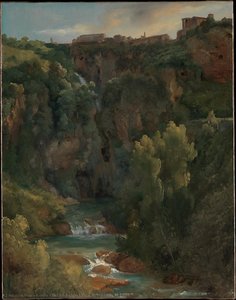
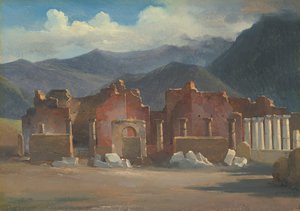
During his time in Italy, Michallon created a series of oil sketches and paintings that showcased his growing mastery of landscape painting. Notable works include View of the Falls at Tivoli, Landscape Inspired by the View of Frascati, and The Forum at Pompeii. His style is characterized by atmospheric effects, a sensitive use of light and shadow, and a romantic sensibility that captured the beauty and grandeur of nature. He often depicted scenes with a sense of melancholy and contemplation.Achievements and Recognition
Winning the Prix de Rome was a significant achievement for Michallon, providing him with the opportunity to study in Italy and develop his artistic skills. Although his career was tragically cut short, he gained recognition during his lifetime as a talented and promising landscape painter. His work influenced a generation of artists, including Camille Corot, who is often cited as having been one of his pupils (though this remains debated).Historical Significance and Legacy
Despite his untimely death from pneumonia in 1822 at the age of only 25, Achille Etna Michallon left a lasting mark on 19th-century landscape art. His atmospheric oil sketches and evocative Italian scenes helped pave the way for the development of Romantic painting and influenced subsequent generations of artists who sought to capture the beauty and power of nature. He represents a pivotal figure in the transition from Neoclassical formality to the more expressive and emotionally charged style of Romanticism.Key Characteristics of His Work
- Atmospheric perspective and dramatic lighting
- Emphasis on capturing mood and emotion
- Influence of Italian landscapes and classical ruins
- Use of oil sketches as studies for larger paintings
- A romantic sensibility that celebrates the beauty of nature
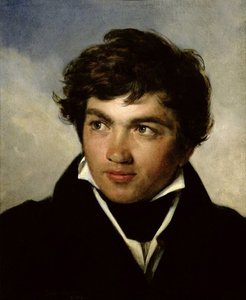
Achille Etna Michallon
1796 - 1822 , France
Quick Facts
- Birth Date: 1796
- Birth Place: Paris, France
- Death Date: 1822
- Influenced: ['Corot']
- Influenced By:
- Jacques-Louis David
- Pierre-Henri de Valenciennes
- Movement: Romanticism
- Name: Achille Etna Michallon
- Nationality: French
- Notable Works:
- View of the Falls at Tivoli
- Beech Tree
- Waterfall at Mont-Dore
- After the thunderstorm
- Landscape Inspired by the View of Frascati
Related Articles

Beyond the Horizon: 10 Landscape Masterpieces for Your Home Decor
Journey through 10 breathtaking landscape paintings by Monet, Van Gogh & more! Explore iconic artworks, artistic techniques & find inspiration for your home decor. Museum-quality reproductions at ArtsDot.com. Discover all masterpieces on ArtsDot.com

Romantic Landscapes: 10 Masterpieces for Your Home | ArtsDot
Journey through 10 Romantic landscape masterpieces by Friedrich, Turner & Cole. Explore emotional art, sublime nature scenes & iconic 19th-century paintings. Find museum-quality reproductions for your home at ArtsDot.com – discover the full collection online!

John Constable's Masterpieces: Explore 25 Iconic Landscapes for Your Home
Journey through John Constable's 25 most celebrated landscapes. Explore Romanticism, Dedham Vale & his masterful use of light in iconic paintings like 'Hay Wain'. Find museum-quality art reproductions and elevate your home decor on ArtsDot.com.

Evocations of Place: A Historical Journey Through Landscape Art
Explore the rich history of landscape art with ArtsDot. Discover renowned artists, movements like Impressionism & Romanticism, and expert guidance for collecting timeless pieces. Find your perfect serene escape today!
Evoking Atmosphere & Identity: A Journey Through Landscape Painting's History
Explore the rich history of landscape painting! Discover renowned artists, movements like Romanticism, & techniques such as atmospheric perspective. Find inspiration and quality reproductions at ArtsDot.