

 Preview
 Send
Send Share
Share
 Details

 Download
 Similars
 X-Ray
X-Ray Diaporama
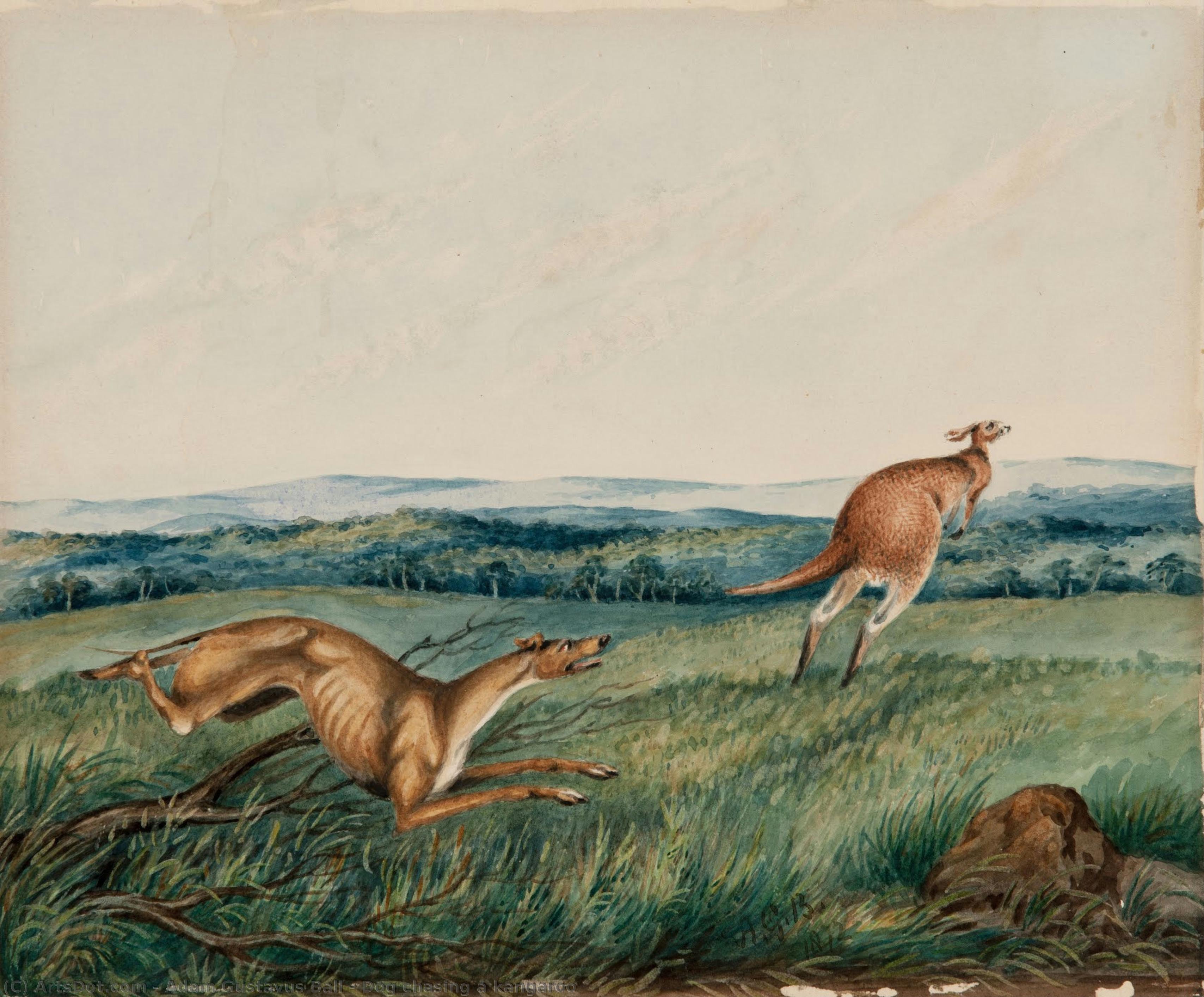
Dog chasing a kangaroo
 Watercolor
- WallArt
 1872
1872- 19th Century
 31.0 x 26.0 cm
 Art Gallery of South Australia
 Read More
Hand Made Oil Reproduction
Hand-painted oil on canvas in your size and frame, made to order by our artists. ( Buy Print Buy Image)




P118B $10

P118H $10

P118W $10

P438Z $10

P508JH $12

P508YH $12

P805H $10

P805Z $10

P919BZ $10

P919G $10

P919XJ $10

P959ZH $10

P968JZ $12

W106C $8

W218G $10

W218JH $8

W218Y $10

W307PJ $10

W316G $10

W316PJ $8

W316Y $10

W398PJ $8

W4111J $10

W500HY $15

W500JH $15

W692G $12

W849H $8

W940BG $15

W953PJ $8




Pick from our preset sizes that match the artwork's original proportions.

You may enter your own dimensions to fit a specific frame or space. If your selected size does not match the original image's proportions, we will either crop the artwork or extend the painting with additional hand-painted elements. A digital mockup will be sent for your approval before production begins.
Please note that the on-screen preview does not reflect the actual cropping or extension. Only the mockup will accurately show the final composition.
While custom sizes are available, we recommend selecting a dimension from the predefined list to preserve the original proportions.
After order, ArtsDot.com team will email client for instructions and provide a mockup preview
Worldwide Delivery () in 3/4 weeks instead of standard 5 weeks. (24 August). No compromise on quality.

Free Worldwide Express Shipping

High-Quality Linen Canvas

Full Shipping Insurance

Customs Tax Refund Guarantee

True Color Matching Guarantee

60-Day Return Policy (Defects Only)

100% Money-Back Guarantee

Bulk Discount Offer
 Glass option is only available in size under 110 CM

Dog chasing a kangaroo
Reproduction Medium
Reproduction Size
-


Total Price
$ 263
Related Artworks









Artist Biography
Théodore Géricault: A Titan of Romanticism
Théodore Géricault (1821 – 1874) stands as a pivotal figure in the transition from Neoclassicism to Romanticism, an artist whose turbulent life and intensely dramatic works profoundly shaped the course of French painting. Born into a family with Huguenot roots—a history of religious dissent that imbued him with a spirit of independence and social awareness—Géricault’s career was marked by both critical acclaim and persistent struggle. He wasn't simply a painter; he was an investigator, a chronicler of human suffering, and a revolutionary in his approach to subject matter and artistic technique. His legacy rests not just on individual masterpieces but on the seismic shift he instigated within the art world, challenging established conventions and paving the way for future generations of artists.
Early Life and Influences
Géricault’s childhood in Paris was far from idyllic. His father, a shipowner, died when Théodore was young, leaving him and his siblings in precarious circumstances. This early loss instilled within him a deep empathy for the marginalized and a keen awareness of social injustice. He received limited formal artistic training, initially apprenticed to a painter of portraits and miniatures. However, it was his exposure to the works of Michelangelo—particularly the powerful emotion conveyed in the *Last Judgment* at St. Peter’s Basilica in Rome—that proved to be a transformative influence. This encounter ignited within him a fascination with grand narratives, dramatic scenes, and the depiction of human suffering, themes that would dominate much of his later work. The Neoclassical style, championed by Jacques-Louis David, initially exerted a strong pull, but Géricault quickly recognized its limitations—its emphasis on idealized beauty and rational order—and sought to forge a new path.
The Raft of the Medusa: A Revolutionary Masterpiece
Perhaps the most iconic work in Géricault’s oeuvre, *The Raft of the Medusa* (1819-1823), is a monumental painting that encapsulates his artistic vision and political convictions. Commissioned for the Salon of 1820, it depicts the harrowing aftermath of the wreck of the French naval frigate *Medusa*, which ran aground off the coast of West Africa in 1816. The disaster was largely attributed to the incompetence of Captain Chaumareys, a royalist appointed through political connections, and the painting became a searing indictment of corruption and governmental negligence. Géricault meticulously researched the event, interviewing survivors and constructing a scale model of the raft to ensure accuracy. He deliberately eschewed the heroic narratives favored by Neoclassical painters, instead presenting a scene of abject despair, starvation, and cannibalism—a brutal depiction of human vulnerability in the face of overwhelming adversity. The painting’s raw emotion, dramatic composition, and unflinching realism shocked audiences and cemented Géricault's reputation as a radical artist.
Beyond the Grand Narrative: Portraits of Suffering
While *The Raft of the Medusa* secured his place in art history, Géricault continued to explore themes of suffering and social injustice throughout his career. He produced a series of intensely personal and psychologically probing portraits of individuals condemned to death—criminals, political prisoners, and victims of disease—capturing their anguish, despair, and quiet dignity with remarkable sensitivity. These works, often painted *en plein air* (outdoors), were revolutionary in their approach to portraiture, moving beyond idealized representations to offer a starkly realistic portrayal of human vulnerability. His series of studies on the “maniacs” at the Salpêtrière hospital in Paris—a sprawling asylum for the mentally ill—demonstrated his commitment to documenting the lives of those marginalized by society. These paintings were not simply depictions of illness; they were profound explorations of the human psyche, revealing the hidden depths of suffering and the complexities of mental distress.
Legacy and Influence
Théodore Géricault’s impact on art history is undeniable. He shattered the conventions of Neoclassicism, paving the way for Romanticism's emphasis on emotion, subjectivity, and the sublime. His willingness to tackle controversial subjects—political corruption, social injustice, and human suffering—challenged the established order and inspired a generation of artists to engage with the realities of their time. The influence of *The Raft of the Medusa* can be seen in the works of Eugène Delacroix, Gustave Courbet, and Édouard Manet, among others. Géricault’s innovative techniques—his use of dramatic lighting, dynamic composition, and expressive brushwork—also profoundly influenced subsequent generations of painters. He remains a towering figure in art history, celebrated for his artistic genius, his unwavering commitment to social justice, and his enduring legacy as a pioneer of modern painting.

adam gustavus ball
1821 - 1882 , Ireland
Quick Facts
- Artistic Movement Or Style: Romanticism
- Artists Or Movements Influenced By This Artist:
- Romanticism
- Delacroix
- Artists Who Influenced This Artist:
- Michelangelo
- David
- Ingres
- Date Of Birth: 1821
- Date Of Death: 1882
- Full Name: Théodore Géricault
- Nationality: French
- Notable Artworks:
- The Raft of the Medusa
- Charging Chasseur
- Death of a Gladiator
- Place Of Birth: Paris, France
Related Articles

Watercolor Wonders: 10 Masterpieces That Redefined Art History | ArtsDot
Journey through 10 legendary watercolor masterpieces by Sargent, Turner & Homer! Explore iconic landscapes, portraits & floral art that redefined history. Find museum-quality reproductions and curated decor ideas at ArtsDot.com.

Ephemeral Visions: Exploring the Artistic Legacy & Contemporary Practice of Watercolor Painting
Explore the captivating world of watercolor painting! Discover its rich history, essential techniques, influential artists & collecting tips. A comprehensive guide for art enthusiasts from ArtsDot.

Animalia: Exploring the Enduring Presence of Animals in Art & Interior Design
Explore the rich history of animal symbolism in art, from ancient mythology to modern masterpieces. Discover how animals have inspired artists for centuries and learn how to incorporate these powerful motifs into your home décor.

Ephemeral Visions: Exploring the History & Emotional Resonance of Watercolor Painting
Explore the captivating history of watercolor painting, from ancient techniques to modern masters like Kandinsky & Blake. Discover essential artists, collecting tips & the emotional power of this luminous medium. Expert insights for art enthusiasts.

Ephemeral Visions: Exploring the Artistic Legacy & Nuances of Watercolor Painting
Explore the captivating world of watercolor painting! Discover its rich history, essential techniques, influential artists & collecting tips from art experts. A comprehensive guide for enthusiasts.


