 Preview
 Send
Send Share
Share
 Details

 Download
 Similars
 X-Ray
X-Ray Diaporama
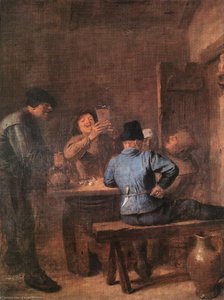
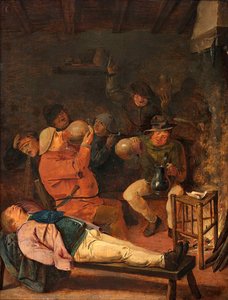
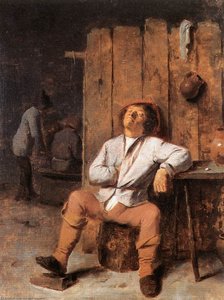
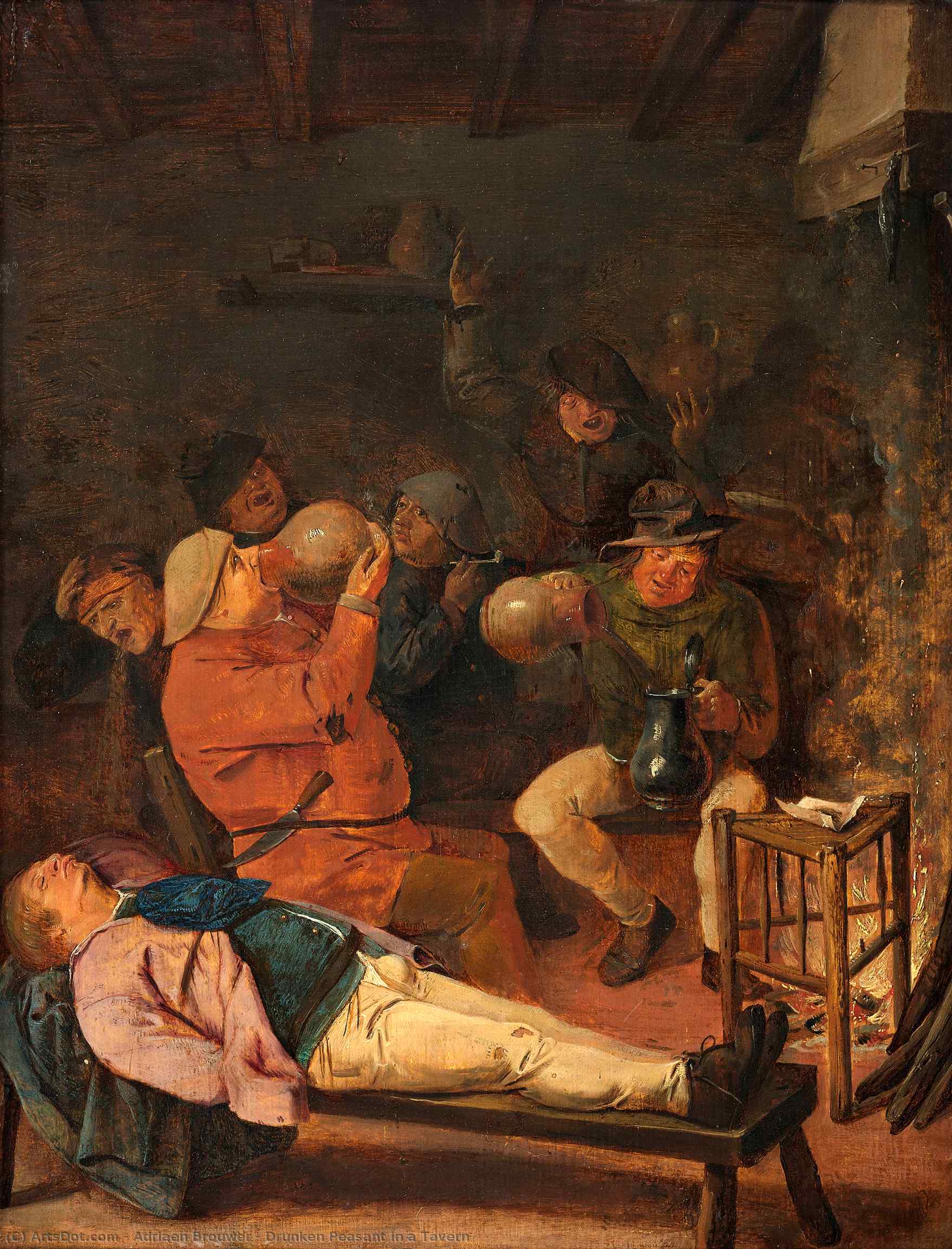
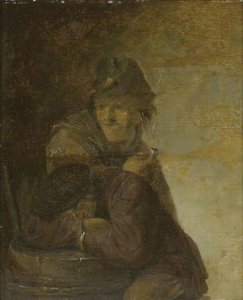
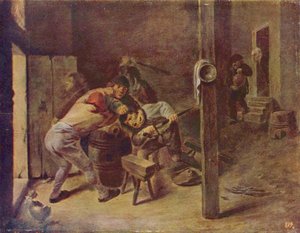
Drunken Peasant in a Tavern
 Oil On Canvas
- WallArt
- Baroque
 1624
1624 35.0 x 26.0 cm
 Museum Boijmans Van Beuningen
 Read More
Hand Made Oil Reproduction
Hand-painted oil on canvas in your size and frame, made to order by our artists. ( Buy Print Buy Image)




P118B $10

P118H $10

P118W $10

P438Z $10

P508JH $12

P508YH $12

P805H $10

P805Z $10

P919BZ $10

P919G $10

P919XJ $10

P959ZH $10

P968JZ $12

W106C $8

W218G $10

W218JH $8

W218Y $10

W307PJ $10

W316G $10

W316PJ $8

W316Y $10

W398PJ $8

W4111J $10

W500HY $15

W500JH $15

W692G $12

W849H $8

W940BG $15

W953PJ $8




Pick from our preset sizes that match the artwork's original proportions.

You may enter your own dimensions to fit a specific frame or space. If your selected size does not match the original image's proportions, we will either crop the artwork or extend the painting with additional hand-painted elements. A digital mockup will be sent for your approval before production begins.
Please note that the on-screen preview does not reflect the actual cropping or extension. Only the mockup will accurately show the final composition.
While custom sizes are available, we recommend selecting a dimension from the predefined list to preserve the original proportions.
After order, ArtsDot.com team will email client for instructions and provide a mockup preview
Worldwide Delivery () in 3/4 weeks instead of standard 5 weeks. (17 August). No compromise on quality.

Free Worldwide Express Shipping

High-Quality Linen Canvas

Full Shipping Insurance

Customs Tax Refund Guarantee

True Color Matching Guarantee

60-Day Return Policy (Defects Only)

100% Money-Back Guarantee

Bulk Discount Offer
 Glass option is only available in size under 110 CM

Drunken Peasant in a Tavern
Reproduction Medium
Reproduction Size
-


Total Price
$ 388
Artwork Description
A Window Into Flemish Baroque: Adriaen Brouwer’s “Drunken Peasant in a Tavern”
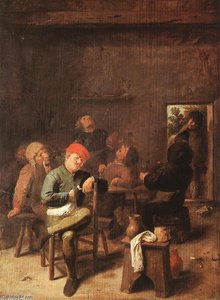
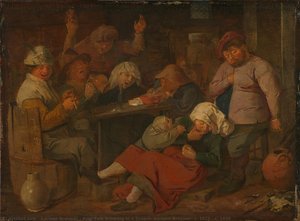
Adriaen Brouwer's "Drunken Peasant in a Tavern," completed in 1624, stands as an arresting emblem of the Dutch Golden Age and a cornerstone of genre painting—a movement dedicated to portraying scenes from everyday life with remarkable realism. Housed within the Museum Boijmans Van Beuningen in Rotterdam, Netherlands, this canvas transcends mere depiction; it’s a masterful distillation of Baroque artistic principles infused with astute observation of human behavior and societal dynamics.The Scene Unfolds: Chaos Amidst Revelry
The painting plunges viewers into a bustling tavern interior bathed in dramatic chiaroscuro—the interplay of light and shadow—a technique favored by Rubens and other masters of the era. Brouwer captures a moment of palpable disorder, populated by men engaged in boisterous drinking, gesturing emphatically, and indulging in what appears to be drunken merriment. At the heart of the composition lies a fallen peasant figure sprawled on the floor, surrounded by onlookers who react with amusement and concern. This juxtaposition—the vulnerability of the individual against the backdrop of collective indulgence—immediately establishes a tension that defines Brouwer’s artistic vision.Technical Brilliance: Oil Paint and Textured Surfaces
Brouwer's masterful command of oil paint on panel is evident in every brushstroke. The medium lends itself to achieving rich, textured surfaces that convincingly simulate fabric, skin, and wood—essential elements for conveying the physicality of the scene. Careful attention to detail—the folds of clothing, the gleam of wine glasses, the expressions etched onto faces—underscores Brouwer’s commitment to realism. Furthermore, the artist skillfully utilizes perspective to create a sense of depth within the confined space of the tavern, guiding the viewer's gaze and enhancing the dramatic impact of the composition.Symbolism Beyond Surface Appearance
More than just a snapshot of tavern life, “Drunken Peasant in a Tavern” operates on multiple symbolic levels. The prone figure serves as a poignant reminder of mortality—a common preoccupation within Baroque art—while the reactions of the onlookers reflect moral ambiguity. Brouwer subtly critiques societal excesses and explores the complexities of human emotion, prompting contemplation about themes of honor, shame, and the consequences of unchecked desire.A Legacy Bridging Flemish Tradition
Brouwer’s work cemented his place as a pivotal figure in bridging the stylistic gap between Flemish and Dutch genre painting. Compared favorably to Jan Steen's similarly evocative depictions of domestic life, Brouwer’s masterpiece exemplifies the movement’s ambition to portray human experience with unflinching honesty—a legacy that continues to inspire artists and collectors alike. Its enduring appeal lies not only in its visual splendor but also in its profound insight into the human condition.Related Artworks
Artist Biography
A Life Cut Short: The Turbulent World of Adriaen Brouwer
Adriaen Brouwer, a name resonating with the vibrant energy of 17th-century Flemish and Dutch painting, remains an enigmatic figure despite his profound impact on genre art. Born in Oudenaarde, Belgium, around 1605 or 1606 – the exact year is debated – Brouwer’s life was tragically brief, ending before he reached forty in January of 1638. His father, also named Adriaen, worked as a tapestry designer, exposing the young artist to visual composition and design from an early age. However, hardship struck when Brouwer was just fifteen; his father's death forced him to leave home, embarking on a path marked by both artistic brilliance and personal turmoil. This early independence undoubtedly shaped his rebellious spirit and fueled his keen observation of life’s undercurrents, themes that would become central to his oeuvre.Pioneering Genre: Capturing the Essence of Everyday Life
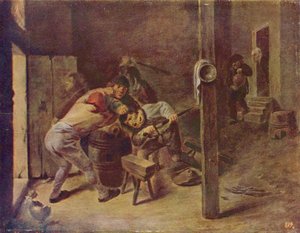
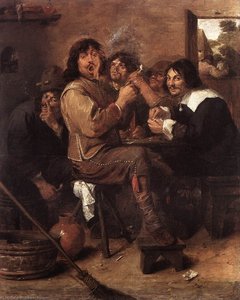
Brouwer swiftly established himself as a key innovator in genre painting – an artistic movement dedicated to depicting scenes from ordinary life. He didn't idealize or romanticize; instead, he presented raw, unvarnished glimpses into the world of peasants, soldiers, and common folk. Taverns became his favored stage, bustling with figures engaged in drinking, smoking, playing cards, brawling, and simply existing within the confines of their daily routines. Works like Poor Folk Drinking in a Tavern, Smallholders Playing Cards, and The Brawl are not merely depictions of activity; they are psychological studies, revealing character through gesture, expression, and the subtle interplay of light and shadow. He possessed an exceptional ability to capture fleeting moments of human interaction, imbuing his scenes with a sense of immediacy and authenticity that resonated deeply with contemporary audiences. The Smokers, for example, is believed to include a self-portrait within the lively group, showcasing Brouwer’s own participation in the boisterous social life he so often portrayed. His paintings weren't simply about *what* people did, but *how* they felt while doing it.Influences and Artistic Style: A Blend of Tradition and Innovation
Brouwer’s artistic development was shaped by a fascinating confluence of influences. He deeply admired the meticulous realism of the Flemish Primitives – artists like Jan van Eyck and Robert Campin – evident in his attention to detail and precise rendering of textures. However, he wasn't content with mere imitation. Brouwer embraced the dramatic lighting and emotional intensity characteristic of Baroque art, injecting a dynamic energy into his compositions. His style is characterized by a masterful blend of realism and humor, coupled with a remarkably lively observation of human behavior. He didn’t shy away from depicting the less savory aspects of life, but he did so with empathy and understanding, avoiding moral judgment. This unique approach set him apart from many of his contemporaries and paved the way for future generations of genre painters.Legacy and Historical Significance: A Lasting Impact
Despite his short career, Adriaen Brouwer’s influence on subsequent artists was substantial. He helped elevate genre painting to a position of prominence within the art world, demonstrating its potential for both artistic expression and social commentary. David Teniers the Younger, along with other Flemish and Dutch painters, drew significant inspiration from Brouwer's innovative approach to depicting everyday life. His focus on ordinary people offered valuable insights into the social customs and daily routines of 17th-century Flanders and the Dutch Republic, providing a window into a world often overlooked by more traditional forms of art. Today, his works are held in esteemed museums such as the Koninklijk Museum voor Schone Kunsten in Antwerp, Belgium, ensuring that his legacy continues to inspire and captivate audiences for generations to come. He remains a testament to the power of observation, the beauty of imperfection, and the enduring appeal of capturing life’s raw, unfiltered moments on canvas.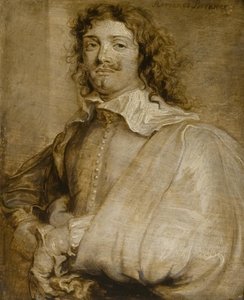
Adriaen Brouwer
1635 - 1638 , Belgium
Quick Facts
- Artistic Movement Or Style: Baroque, Genre painting
- Artists Or Movements Influenced By This Artist: ['David Teniers the Younger']
- Artists Who Influenced This Artist: ['Flemish Primitives']
- Date Of Birth: 1605/1606
- Date Of Death: 1638
- Full Name: Adriaen Brouwer
- Nationality: Flemish
- Notable Artworks:
- Poor Folk Drinking in a Tavern
- Smallholders Playing Cards
- The Smoker
- The Brawl
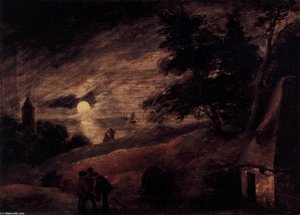
- Moonlit Landscape
- Place Of Birth: Oudenaarde, Belgium
Related Articles
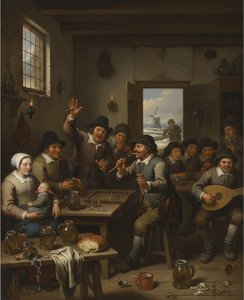
Adriaen Brouwer: Capturing Dutch Life & Social Commentary Through Genre Painting
Explore the captivating world of Adriaen Brouwer, a master of Dutch Golden Age genre painting. Discover his vivid depictions of peasant life, social commentary, and lasting influence on art history. Learn more at ArtsDot.

Golden Age Reflections: Dutch Baroque Painting & Cultural Innovation
Explore the Dutch Golden Age of painting! Discover key artists like Vermeer & ter Borch, their innovative techniques, and the rich cultural context behind these Baroque masterpieces. Learn about collecting & appreciating this iconic art period.
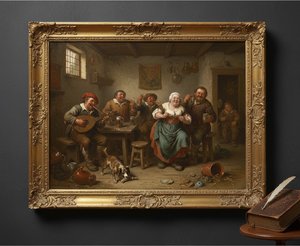
Adriaen van Ostade: A Master of Dutch Genre Painting & Social Commentary
Explore the life & work of Adriaen van Ostade, a leading Dutch Golden Age painter. Discover his realistic genre scenes, social commentary, and lasting influence on art history. Learn more at ArtsDot.

Dutch Baroque Masters: 10 Paintings That Shaped an Era | ArtsDot
Journey through the Golden Age with our guide to the Top 10 Dutch Baroque masterpieces! Explore iconic paintings by Rembrandt, Vermeer & Frans Hals. Find museum-quality art reproductions and elevate your home decor at ArtsDot.com.

Dutch Masters: 10 Golden Age Paintings That Still Inspire |
Journey into the Dutch Golden Age! Explore 10 iconic paintings by Rembrandt, Vermeer & Hals. Discover the stories behind these Baroque masterpieces and find museum-quality art reproductions to elevate your home decor on .