 Preview
 Send
Send Share
Share
 Details

 Download
 Similars
 X-Ray
X-Ray Diaporama
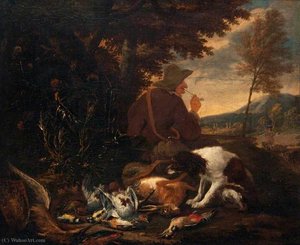
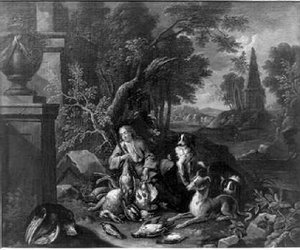
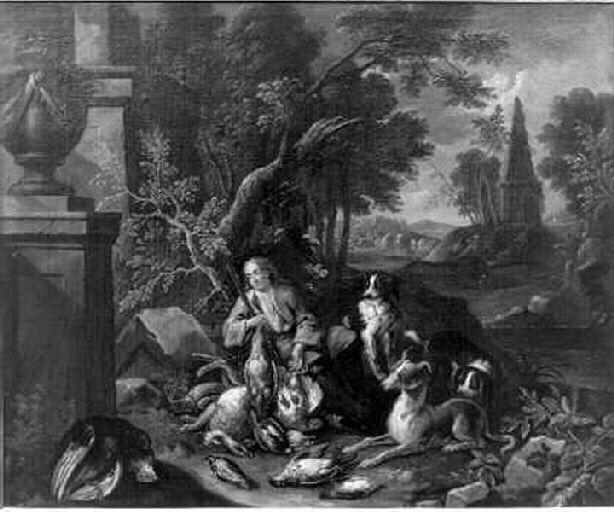
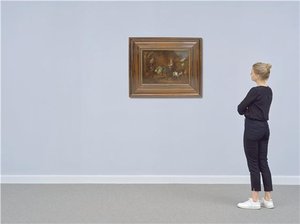
Retour de chasse

 Read More
Hand Made Oil Reproduction
Hand-painted oil on canvas in your size and frame, made to order by our artists. ( Buy Print Buy Image)




































Pick from our preset sizes that match the artwork's original proportions.

You may enter your own dimensions to fit a specific frame or space. If your selected size does not match the original image's proportions, we will either crop the artwork or extend the painting with additional hand-painted elements. A digital mockup will be sent for your approval before production begins.
Please note that the on-screen preview does not reflect the actual cropping or extension. Only the mockup will accurately show the final composition.
While custom sizes are available, we recommend selecting a dimension from the predefined list to preserve the original proportions.
After order, ArtsDot.com team will email client for instructions and provide a mockup preview
Worldwide Delivery () in 3/4 weeks instead of standard 5 weeks. (17 August). No compromise on quality.

Free Worldwide Express Shipping

High-Quality Linen Canvas

Full Shipping Insurance

Customs Tax Refund Guarantee

True Color Matching Guarantee

60-Day Return Policy (Defects Only)

100% Money-Back Guarantee

Bulk Discount Offer
 Glass option is only available in size under 110 CM

Retour de chasse
Reproduction Medium
Reproduction Size
-


Total Price
$ 263
Related Artworks
Artist Biography
Adriaen de Gryef: A Flemish Master of the Seventeenth Century
Adriaen de Gryef (1657 – 1722), a name perhaps less familiar than some of his contemporaries, nevertheless stands as a significant figure in the rich tapestry of Flemish art during the Baroque period. Born in Leiden and later establishing himself in Antwerp and Brussels, De Gryef’s legacy rests primarily on his dynamic and meticulously rendered hunting scenes, captivating still lifes, and detailed depictions of everyday life within 17th-century Belgium. His work offers a rare glimpse into a world of aristocratic pursuits, rural landscapes, and the burgeoning appreciation for naturalism that characterized the era.
Early Life and Artistic Training
Little is definitively known about De Gryef’s early life, though it's established he was the son of Jacques de Claeuw, a painter who himself had connections to the renowned court painter Jacob van Sandt. This familial link undoubtedly provided an initial foundation for his artistic development. While precise details regarding his formal training remain elusive, it is believed that De Gryef honed his skills within the Guild of St. Luke in Ghent and later achieved membership in the Antwerp guild in 1700. These affiliations were crucial, providing him with a structured environment for learning, exhibiting, and establishing professional connections – vital steps for any aspiring artist seeking recognition.
A World of Hunting and Leisure
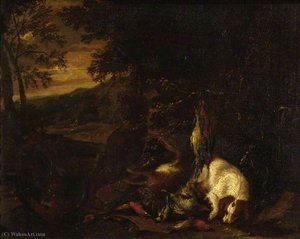
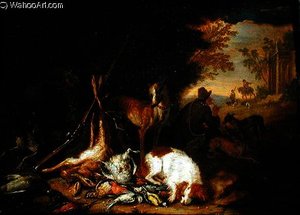
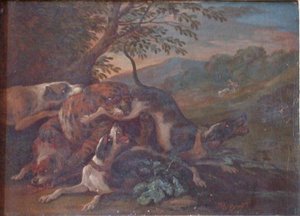
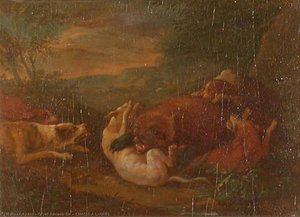
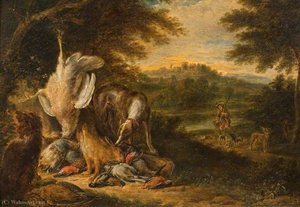
De Gryef’s most celebrated works depict scenes of the hunt. These are not simply depictions of sport; they are carefully constructed narratives brimming with symbolism and social commentary. His compositions frequently showcase aristocratic hunters pursuing game through diverse landscapes – from dense forests to open fields, often incorporating elements of religious allegory or moral instruction. The dramatic use of light and shadow, a hallmark of Baroque painting, is particularly evident in these scenes, creating a sense of immediacy and dynamism. Consider “Chasse à l’Ours” (The Bear Hunt), where the figures are rendered with remarkable detail, capturing both the physical exertion of the hunt and the inherent danger of nature. The animals themselves—deer, boar, bear—are depicted with an almost unsettling realism, reflecting a growing interest in scientific observation during this period.
Still Lifes: A Celebration of Abundance
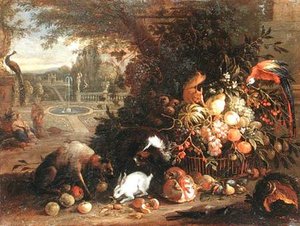
Beyond his hunting scenes, De Gryef produced a series of still lifes that reveal a different facet of his artistic talent. These compositions are characterized by an astonishing level of detail – from the textures of fruit and fabrics to the reflections in pewter vessels. “Still Life In A Garden” exemplifies this meticulous approach, presenting a lavish display of seasonal produce, flowers, and domestic objects arranged within a richly decorated setting. The arrangement isn’t merely decorative; it speaks to themes of wealth, prosperity, and the bounty of nature – common subjects in Dutch Golden Age art. These still lifes demonstrate De Gryef's ability to capture not just the appearance but also the essence of his subject matter.
Legacy and Historical Significance
Adriaen de Gryef’s work represents a crucial link between the more formal, court-oriented painting styles of earlier generations and the emerging naturalism that would define much of 18th-century art. His detailed depictions of hunting scenes and still lifes offer valuable insights into the social customs, economic realities, and artistic sensibilities of 17th-century Belgium. While he may not be as widely recognized as some of his contemporaries – such as Peter Paul Rubens or Jan van Goyen – De Gryef’s contributions to Flemish art history are undeniable. His paintings continue to be appreciated for their technical skill, dramatic compositions, and evocative portrayal of a bygone era. His works can be found in collections like the Accademia Carrara in Bergamo, offering a tangible connection to this talented artist.
adriaen de gryef
1670 - 1715 , Belgium
Quick Facts
- Artistic Movement Or Style: Baroque
- Artists Or Movements Influenced By This Artist: ['None specified']
- Artists Who Influenced This Artist: ['Jacques de Claeuw']
- Date Of Birth: 1670
- Date Of Death: 1715
- Full Name: Adriaen de Gryef
- Nationality: Flemish
- Notable Artworks:
- GIBIER PRES D'UN ARBRE
- CHASSE A L'OURS
- Still Life In A Garden
- Place Of Birth: Antwerp, Belgium
Related Articles
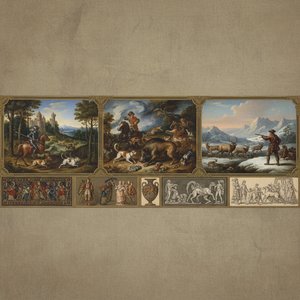
The Pursuit of Power & Prestige: Hunting Scenes in Western Art
Explore the rich history of hunting scenes in Western art, from royal pursuits to powerful allegories. Discover masterpieces & expert insights for discerning collectors. ArtsDot offers museum-quality reproductions.
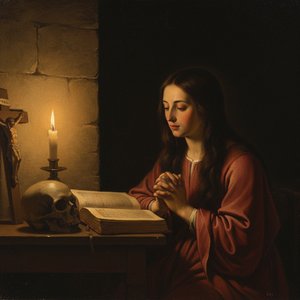
Georges de La Tour: Luminosity, Spirituality & Realism in Baroque Painting
Discover the captivating world of Georges de La Tour, a Baroque master renowned for his dramatic chiaroscuro & spiritual realism. Explore key works, influences, and his remarkable rediscovery. Learn more at ArtsDot.
The Enduring Legacy of Oil Paint: Technique, History & Emotional Resonance in Western Art
Explore the rich history & techniques of oil painting! Discover Renaissance masters, scientific principles behind color, and emotional resonance in art. Learn about glazing, layering, and atmospheric perspective – a guide for enthusiasts & collectors.

Sir Alfred Munnings' Masterpieces: 25 Paintings That Define Equine Art | ArtsDot
Explore 25 iconic Sir Alfred Munnings paintings! Discover the beauty of British Impressionism, equine art & rural England. Find museum-quality reproductions and elevate your home decor with ArtsDot. Explore the full collection online.
Oil on Canvas Masters: 10 Paintings That Redefined Art History |
Journey through art history with our guide to 10 legendary oil on canvas masterpieces! Explore iconic works by Van Gogh, Monet & Rembrandt. Find museum-quality reproductions and elevate your home decor at . Discover all masterpieces online.