 Preview
 Send
Send Share
Share
 Details

 Download
 Similars
 X-Ray
X-Ray Diaporama
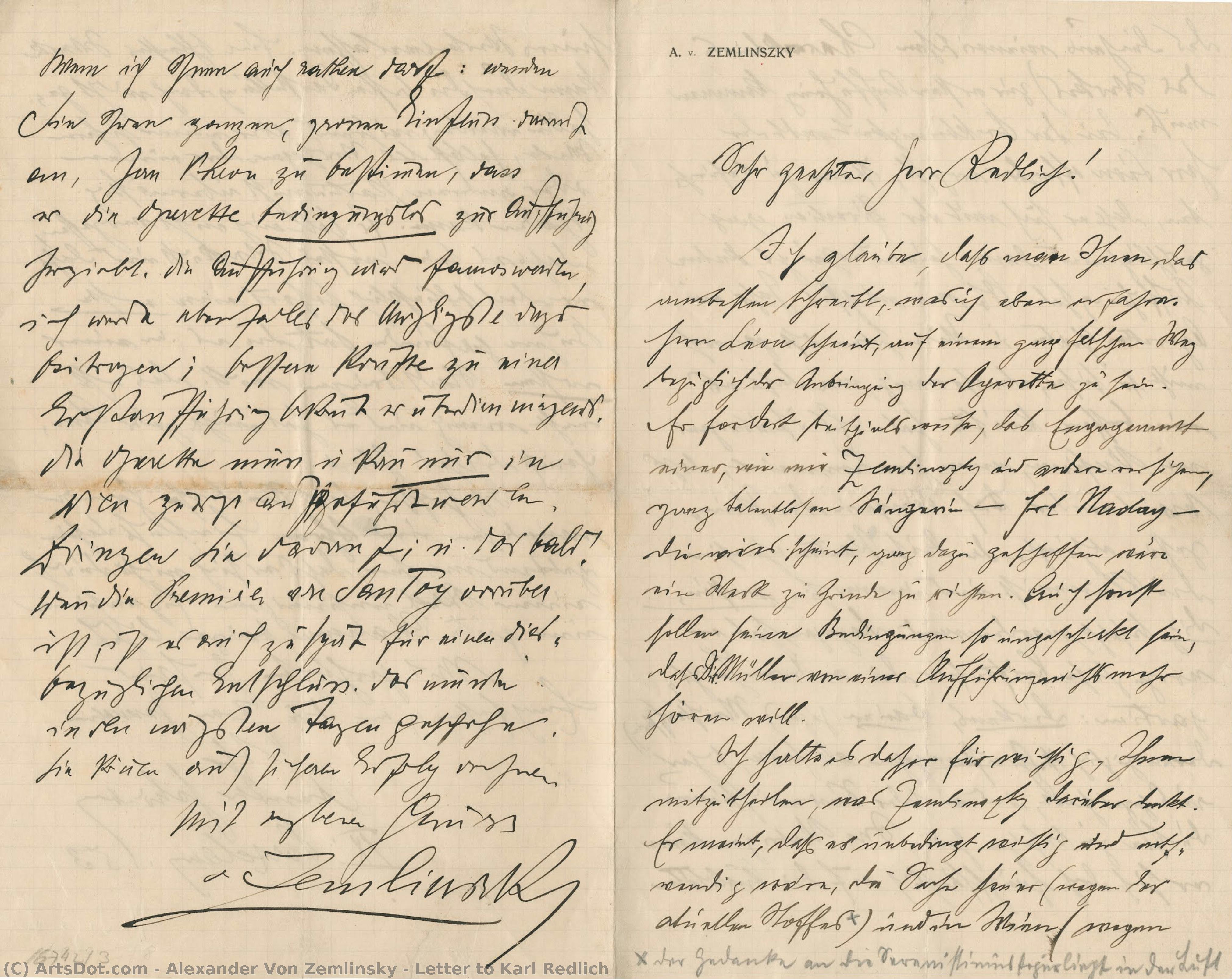
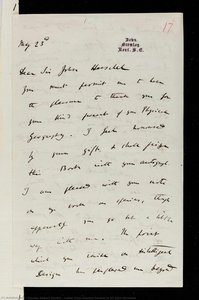
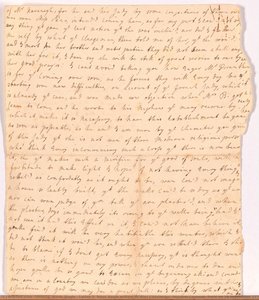
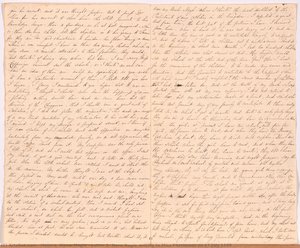
Letter to Karl Redlich
 Ink On Paper
 1900
1900- 19th Century
 14.0 x 23.0 cm
 Arnold Schönberg Center
 Read More
Giclée / Art Print
Museum-quality giclée or canvas print with fast production and flexible finish options. ( Buy Hand Made Painting Buy Image)




P118B $10

P118H $10

P118W $10

P438Z $10

P508JH $12

P508YH $12

P805H $10

P805Z $10

P919BZ $10

P919G $10

P919XJ $10

P959ZH $10

P968JZ $12

W106C $8

W218G $10

W218JH $8

W218Y $10

W307PJ $10

W316G $10

W316PJ $8

W316Y $10

W398PJ $8

W4111J $10

W500HY $15

W500JH $15

W692G $12

W849H $8

W940BG $15

W953PJ $8




Pick from our preset sizes that match the artwork's original proportions.

You may enter your own dimensions to fit a specific frame or space. If your selected size does not match the original image's proportions, we will either crop the artwork or extend the image with a mirrored or solid-fill edge. A digital mockup will be sent for your approval before production begins.
Please note that the on-screen preview does not reflect the actual cropping or extension. Only the mockup will accurately show the final composition.
While custom sizes are available, we recommend selecting a dimension from the predefined list to preserve the original proportions.
Worldwide Delivery () in 2 weeks instead of standard 4/5 weeks. (21 August)

Free Worldwide Express Shipping

High-Quality Linen Canvas

Full Shipping Insurance

Customs Tax Refund Guarantee

True Color Matching Guarantee

60-Day Return Policy (Defects Only)

100% Money-Back Guarantee

Bulk Discount Offer
 Glass option is only available in size under 110 CM

Letter to Karl Redlich
Giclée / Art Print
Reproduction Size
-


Total Price
$ 63
Collectible Description
Related Artworks

Artist Biography
The Harmonic Architect of Vienna
In the vibrant, intellectual crucible of fin-de-siècle Vienna, few figures loomed as large over the evolution of modern sound as Alexander von Zemlinsky. Born in 1871, Zemlinsky was not merely a composer but a vital bridge between the lush, emotive landscapes of late Romanticism and the radical, fragmented frontiers of the Second Viennese School. His life was woven into the very fabric of Austrian musical history, characterized by a profound mastery of orchestration and a deep-seated commitment to the expressive power of melody. To study Zemlinsky is to witness the transition of an era, where the sweeping grandeur of the nineteenth century began to dissolve into the complex, psychological depths of the twentieth.
Zemlinsky’s early years were defined by rigorous training at the Vienna Conservatory, a period that instilled in him a reverence for classical structure even as he sought to expand its boundaries. His artistic trajectory was irrevocably shaped by his intimate connections within the Viennese musical elite. Perhaps most significantly, his relationship with Arnold Schoenberg—a bond cemented by the fact that Schoenberg married Zemlinsky’s sister, Mathilde—created a unique intellectual ecosystem. Within this circle, Zemlently acted as both a peer and a mentor, fostering an environment where traditional tonality could coexist with the burgeoning experiments of atonality.
A Legacy of Mentorship and Innovation
While history often focuses on the revolutionary breaks of his pupils, Zemlinsky’s true genius lay in his ability to nurture and refine the avant-garde. As a teacher and conductor, he provided the foundational support for some of the most influential figures in modern music, including Alban Berg and Anton Webern. His influence was not merely pedagogical but structural; he encouraged a rigorous approach to composition that allowed his students to push toward the twelve-tone technique while maintaining a sense of dramatic purpose. This delicate balance between innovation and tradition is what makes his body of work so enduringly poignant.
His compositions serve as a testament to this duality. In works such as Verklärte Nacht (1899), one can hear the masterful use of string textures to evoke profound emotional states, a hallmark of his early style. As his career progressed, his operas and symphonies began to reflect a more complex harmonic language, yet they never lost the lyrical soul that defined his Viennese roots. His ability to weave intricate, polyphonic layers into a cohesive dramatic narrative allowed him to navigate the shifting sands of musical fashion with grace.
The Enduring Resonance of a Master
The historical significance of Alexander von Zemlinsky extends far beyond the notes on a page; he was a central pillar of a cultural movement that redefined the limits of human expression. Though the political upheavals of the early twentieth century and the rise of different musical ideologies occasionally pushed his name into the shadows, the rediscovery of his work has revealed a composer of immense depth and sophistication. His music remains a vital link in the chain of Western classical tradition, offering a window into a world where beauty and dissonance meet.
Today, as we revisit the works of this Austrian master, we find a composer who refused to let the past die, instead using it as the very soil from which modernism could grow. His legacy is found in every tension-filled chord and every sweeping melodic arc that continues to captivate audiences in concert halls across the globe. To listen to Zemlinsky is to experience the heartbeat of Vienna itself—a city of profound elegance, intense passion, and transformative change.
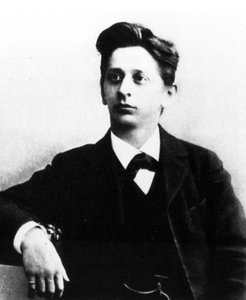
alexander von zemlinsky
1871 - 1942 , Austria
Quick Facts
- Artistic Movement Or Style: Second Viennese School
- Artists Or Movements Influenced By This Artist: ['Richard Gerstl']
- Artists Who Influenced This Artist:
- Arnold Schoenberg
- Alban Berg
- Anton Webern
- Date Of Birth: October 14, 1871
- Date Of Death: March 15, 1942
- Full Name: Alexander von Zemlinsky
- Nationality: Austrian
- Notable Artworks:
- Verklärte Nacht
- Gustav Mahler (text: Friedrich Rückert)
- Place Of Birth: Vienna, Austria
Related Articles

German Expressionism's 10 Defining Masterpieces | Art for Your Home
Explore 10 defining German Expressionism masterpieces – from Munch's 'The Scream' to Kandinsky’s abstracts. Discover the artists, stories & bold colors behind this powerful art movement. Find museum-quality reproductions at ArtsDot.com.
Anton von Werner: Imperial Painter, Historical Witness & Shifting German Identity
Explore the life & work of Anton von Werner, Imperial Germany's leading painter. Discover his dramatic depictions of war, unification, and court life – a fascinating insight into 19th-century German history & art.
The Northern Awakening: Artistic Innovation & Cultural Transformation in the German Renaissance
Explore the artistic innovation of the German Renaissance! Discover Dürer, the Danube School & Reformation art. Learn about techniques, materials & lasting influence. Find museum-quality reproductions at ArtsDot.
Neue Sachlichkeit: Objectivity, Realism & Social Commentary in Interwar German Art
Explore Neue Sachlichkeit – the pivotal German art movement critiquing Weimar society with unflinching realism. Discover key artists like Dix & Grosz, its historical context, and collecting insights for discerning investors.
Fritz von Uhde: Bridging Realism & Symbolism in Late 19th-Century German Painting
Explore the captivating world of Fritz von Uhde, a pivotal German painter bridging Realism & Symbolism. Discover his plein-air techniques, religious themes, and influence on modern art. Learn about this fascinating artist at ArtsDot.