 Preview
 Send
Send Share
Share
 Details

 Download
 Similars
 X-Ray
X-Ray Diaporama
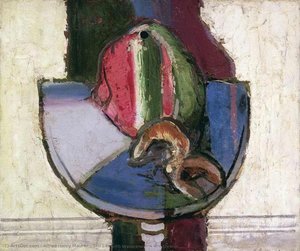
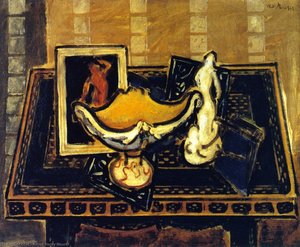
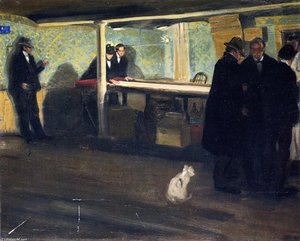
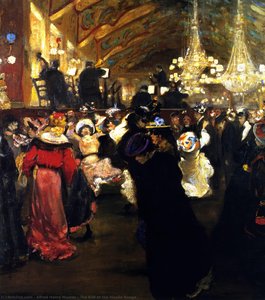
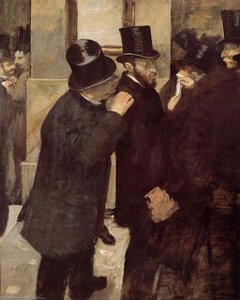
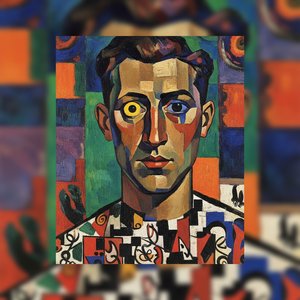
Evening at the Club


 Read More
Hand Made Oil Reproduction
Hand-painted oil on canvas in your size and frame, made to order by our artists. ( Buy Print Buy Image)




P118B $10

P118H $10

P118W $10

P438Z $10

P508JH $12

P508YH $12

P805H $10

P805Z $10

P919BZ $10

P919G $10

P919XJ $10

P959ZH $10

P968JZ $12

W106C $8

W218G $10

W218JH $8

W218Y $10

W307PJ $10

W316G $10

W316PJ $8

W316Y $10

W398PJ $8

W4111J $10

W500HY $15

W500JH $15

W692G $12

W849H $8

W940BG $15

W953PJ $8




Pick from our preset sizes that match the artwork's original proportions.

You may enter your own dimensions to fit a specific frame or space. If your selected size does not match the original image's proportions, we will either crop the artwork or extend the painting with additional hand-painted elements. A digital mockup will be sent for your approval before production begins.
Please note that the on-screen preview does not reflect the actual cropping or extension. Only the mockup will accurately show the final composition.
While custom sizes are available, we recommend selecting a dimension from the predefined list to preserve the original proportions.
After order, ArtsDot.com team will email client for instructions and provide a mockup preview
Worldwide Delivery () in 3/4 weeks instead of standard 5 weeks. (24 August). No compromise on quality.

Free Worldwide Express Shipping

High-Quality Linen Canvas

Full Shipping Insurance

Customs Tax Refund Guarantee

True Color Matching Guarantee

60-Day Return Policy (Defects Only)

100% Money-Back Guarantee

Bulk Discount Offer
 Glass option is only available in size under 110 CM

Evening at the Club
Reproduction Medium
Reproduction Size
-


Total Price
$ 263
Artwork Description
Alfred Henry Maurer: Evening at the Club – A Pioneering Vision of Modernism
Alfred Henry Maurer (1868–1932) stands as an enigmatic figure in American modernist painting, often overshadowed by his contemporaries yet possessing a singular artistic vision that continues to intrigue scholars and collectors alike. His oeuvre—primarily focused on landscapes and interiors—represents a crucial bridge between European avant-garde movements like Impressionism and Cubism and the burgeoning aesthetic sensibilities of early 20th-century America. Maurer’s work, characterized by its deliberate simplification and subtle tonal shifts, embodies a profound exploration of perception and atmosphere, reflecting both the anxieties and aspirations of his time.- Early Life & Training: Born in New York City, Maurer's artistic trajectory was shaped by a familial conflict regarding modern art—his father vehemently opposed stylistic innovations—a tension that paradoxically fueled Alfred’s own fervent passion for experimentation. Despite abandoning formal schooling at sixteen to join his father’s lithographic firm, he relentlessly pursued artistic development through self-portraiture and study with influential sculptors like John Quincy Adams Ward and painters such as William Merritt Chase.
- Parisian Influences & Artistic Breakthrough: Maurer's transformative journey to Paris in 1897 proved pivotal, immersing him in the vibrant artistic milieu of Europe’s avant-garde scene. He affiliated himself with a cohort of American and French artists—including Gertrude Stein and Leo Stein—absorbing new ideas and honing his technique through meticulous observation and emulation of masters like Whistler.
- An Arrangement: Around 1901, Maurer achieved considerable acclaim with “An Arrangement,” which secured first prize at the Carnegie International Exhibition. This landmark painting demonstrated Maurer’s mastery of tonal modulation and color harmony—a stylistic hallmark that foreshadowed his later embrace of Cubist principles—establishing him as a significant voice within the American art world.
- Cubism & Fauvism: Abandoning realism in favor of abstraction, Maurer embarked on a radical artistic reimagining after 1905, aligning himself with the stylistic currents championed by Picasso and Matisse. His subsequent paintings—often characterized by fragmented forms and bold color palettes—became emblems of modernist experimentation, reflecting a desire to transcend traditional representational conventions.
- Legacy & Critical Reception: Despite achieving recognition within avant-garde circles and participating in prestigious exhibitions like “The Forum Exhibition,” Maurer’s work largely evaded commercial success during his lifetime, resulting in a tragic suicide at the age of sixty-four. Nevertheless, Alfred Henry Maurer's contribution to American Modernism has been steadily reassessed by art historians—particularly Jerome Myers—who recognize his pioneering spirit and enduring influence on subsequent generations of artists.
- Style: Fauvist & Cubist Influences
- Technique: Oil on Canvas; Precise Brushwork
- Color Palette: Subtle Tonal Shifts; Bold Color Accents
Related Artworks


Artist Biography
Alfred Henry Maurer: A Life in Modern Art
Early Life and Training
- Born: April 21, 1868, New York City, United States of America.
- Maurer’s early life was marked by a familial tension regarding art. His father disapproved of modern artistic expression, ironically fueling Alfred's passion.
- At the age of sixteen, he left school to work in his father’s lithographic firm, gaining practical experience but yearning for more creative pursuits.
- Self-Portrait from his early Parisian period reflects a youthful optimism and burgeoning artistic confidence.
Parisian Influences and Artistic Breakthrough
- In 1897, Maurer embarked on a pivotal journey to Paris, where he spent four years immersed in the vibrant art scene.
- He joined a community of American and French artists, absorbing new ideas and experimenting with different styles.
- An Arrangement, completed around 1901, proved to be a turning point. It garnered first prize at the prestigious Carnegie International Exhibition, establishing Maurer as a rising talent.
Shifting Styles and Challenges
- Following his initial success, Maurer’s artistic direction evolved significantly. Influenced by figures like Gertrude and Leo Stein, he began to explore Cubist and Fauvist aesthetics.
- This stylistic shift proved controversial. While embracing the avant-garde, Maurer faced a decline in international recognition and commercial viability.
- He struggled with paternal disapproval throughout his life, adding to the pressures of navigating a changing art world.
Key Achievements and Recognition
- Maurer participated in landmark exhibitions that defined the American Modernist movement:
- 1913 Armory Show: A pivotal moment showcasing radical new art to an American audience.
- “The Forum Exhibition of Modern American Painters” (1916): Further solidifying his place within the modernist landscape.
- 1919: Elected Director of the Society of Independent Artists, demonstrating his commitment to artistic freedom and innovation.
Later Life and Legacy
- Despite his contributions, Maurer faced continued financial hardship and critical challenges.
- Sadly, he died by suicide on August 4, 1932, at the age of 64 – a tragic end to a turbulent life.
- However, Maurer’s legacy has endured. His work is now featured in numerous exhibitions and collections, including those at the Museum of Art New Orleans.
- His paintings serve as important examples of early American Modernism, bridging European avant-garde movements with a uniquely American sensibility.
Historical Significance
- Alfred Henry Maurer represents the struggles and triumphs of artists who dared to challenge convention.
- His willingness to experiment with new styles, despite facing criticism and financial difficulties, paved the way for future generations of American Modernists.
- Maurer’s work continues to inspire, reminding us of the importance of artistic freedom and the enduring power of innovation.
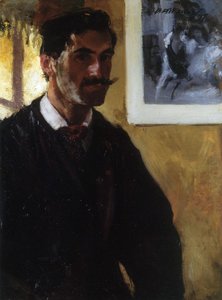
alfred henry maurer
1868 - 1932 , United States of America
Quick Facts
- Birth Date: April 21, 1868
- Birth Place: New York City, United States of America
- Death Date: August 4, 1932
- Influenced By:
- Gertrude Stein
- Leo Stein
- Movement:
- Modernism
- Fauvism
- Cubism
- Name: Alfred Henry Maurer
- Nationality: American
- Notable Works:
- An Arrangement
- Woman in a Garden
- Rockaway Beach
Related Articles

Giclée Prints: Archival Quality & Aesthetic Nuances for the Discerning Collector
Explore the world of giclée prints with ArtsDot. Learn about archival quality, aesthetic nuances & investment potential. Expert guidance for discerning art collectors seeking museum-quality reproductions and lasting value.

Dark Masterpieces: 10 Iconic Paintings Dominated by Black Tones |
Explore 10 iconic paintings dominated by black tones, from Rembrandt’s chiaroscuro to Goya's dark expressions. Discover the stories behind these masterpieces & find museum-quality art reproductions for your home at .

The Enduring Legacy of Fine Art Prints: Technique, History & Aesthetic Impact
Explore the rich history & techniques of fine art prints. Discover investment potential, assess authenticity, and learn how to preserve your collection with expert guidance. Trusted insights for discerning collectors.

Echoes of Time: Exploring the Enduring Appeal & Historical Context of Vintage Art Prints
Explore the captivating world of vintage art prints! Discover their history, collecting tips & enduring appeal. Expert insights on chromolithography and building a legacy collection with ArtsDot.
Alfred Henry Maurer: Reassessing the Pioneer of American Modernist Abstraction
Explore the groundbreaking work of Alfred Henry Maurer, a pivotal figure in American Modernism. Discover his Fauvist & Cubist paintings and understand his lasting influence on abstract art. Expert analysis for collectors.