 Preview
 Send
Send Share
Share
 Details

 Download
 Similars
 X-Ray
X-Ray Diaporama
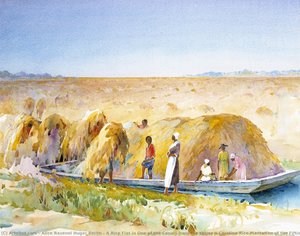
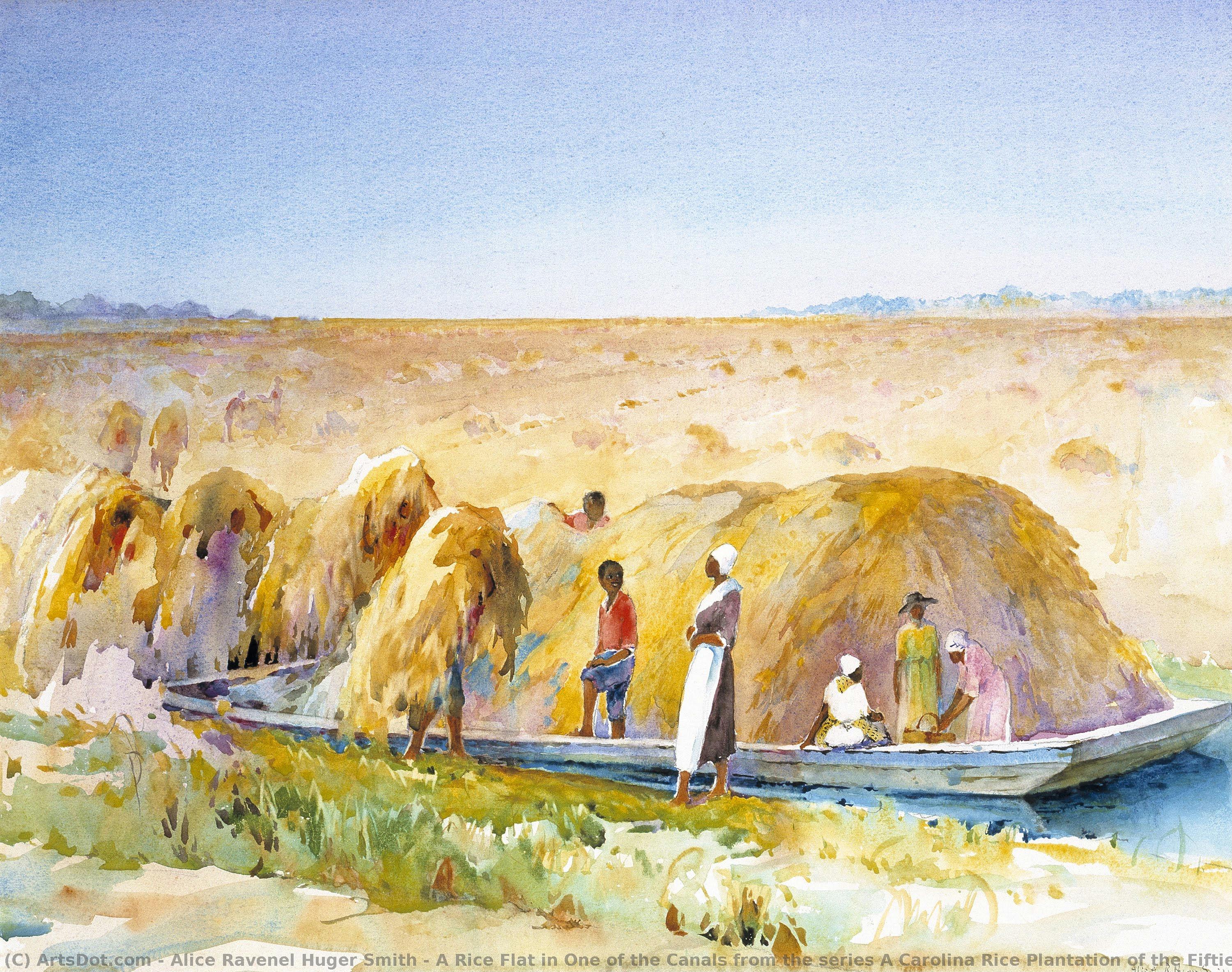
A Rice Flat in One of the Canals from the series A Carolina Rice Plantation of the Fifties


 Read More
Giclée / Art Print
Museum-quality giclée or canvas print with fast production and flexible finish options. ( Buy Hand Made Painting Buy Image)




P118B $10

P118H $10

P118W $10

P438Z $10

P508JH $12

P508YH $12

P805H $10

P805Z $10

P919BZ $10

P919G $10

P919XJ $10

P959ZH $10

P968JZ $12

W106C $8

W218G $10

W218JH $8

W218Y $10

W307PJ $10

W316G $10

W316PJ $8

W316Y $10

W398PJ $8

W4111J $10

W500HY $15

W500JH $15

W692G $12

W849H $8

W940BG $15

W953PJ $8




Pick from our preset sizes that match the artwork's original proportions.

You may enter your own dimensions to fit a specific frame or space. If your selected size does not match the original image's proportions, we will either crop the artwork or extend the image with a mirrored or solid-fill edge. A digital mockup will be sent for your approval before production begins.
Please note that the on-screen preview does not reflect the actual cropping or extension. Only the mockup will accurately show the final composition.
While custom sizes are available, we recommend selecting a dimension from the predefined list to preserve the original proportions.
Worldwide Delivery () in 2 weeks instead of standard 4/5 weeks. (29 August)

Free Worldwide Express Shipping

High-Quality Linen Canvas

Full Shipping Insurance

Customs Tax Refund Guarantee

True Color Matching Guarantee

60-Day Return Policy (Defects Only)

100% Money-Back Guarantee

Bulk Discount Offer
 Glass option is only available in size under 110 CM

A Rice Flat in One of the Canals from the series A Carolina Rice Plantation of the Fifties
Giclée / Art Print
Reproduction Size
-


Total Price
$ 63
The Rhythm of Labor in the Lowcountry Canals
Alice Ravenel Huger Smith’s depiction, A Rice Flat in One of the Canals from the series A Carolina Rice Plantation of the Fifties, transports the viewer directly into the humid heart of the antebellum South. This watercolor is more than a mere record of agricultural life; it is a vibrant tableau capturing the enduring rhythm of human endeavor set against the backdrop of the magnificent Lowcountry landscape. The scene unfolds with an undeniable sense of industry and communal effort. One can almost hear the gentle lapping of water against the wooden boat, punctuated by the calls of workers coordinating their tasks across the flooded rice paddies.
A Study in Community and Craft
The composition is richly populated, drawing the eye through the various figures engaged in the harvest. Several men are visible on a central boat laden with hay, suggesting both transport and storage—a necessary artery for this vital enterprise. Scattered throughout the foreground and middle ground, other individuals move amongst the rice stalks, their postures conveying a deep familiarity with this demanding environment. Smith masterfully captures the synergy of teamwork; it is a portrait not just of crops, but of community itself. The technique employed in watercolor allows for an exquisite delicacy, allowing the lush greens of the fields to breathe while maintaining the grit and reality of manual labor.
Historical Echoes of Carolina Life
Created in 1935, this piece serves as a poignant historical document, though it is filtered through the romantic lens of artistic appreciation. Smith, a native Charlestonian, channeled her deep connection to her heritage into these watercolors. The series itself speaks volumes about the economic backbone and cultural tapestry of the Carolina rice plantations during that era. Owning a reproduction allows one to connect with this tangible piece of American history—a moment preserved before the sweeping changes of time altered the landscape forever.
Emotional Resonance for the Modern Collector
For the art lover, collector, or designer seeking an evocative focal point, this work offers profound emotional resonance. It speaks to themes of perseverance, sustenance, and the beauty found in shared purpose. The soft washes characteristic of watercolor lend a nostalgic patina, inviting contemplation on the passage of time while simultaneously celebrating the enduring spirit of human connection. Imagine this piece gracing a space that values history, craftsmanship, or natural tranquility; it brings an immediate sense of place and soulful depth to any interior.
Related Artworks

Artist Biography
Edward Mitchell Bannister: A Pioneer of American Impressionism
Edward Mitchell Bannister (1828-1914) stands as a pivotal, yet often overlooked, figure in the development of American landscape painting during the late 19th and early 20th centuries. His journey from a young man seeking opportunity in Canada to a respected artist recognized for his distinctive style – characterized by bold brushwork, rich color palettes, and a deep connection to the American West – is a testament to perseverance and artistic vision. Bannister’s story isn't simply one of technical skill; it’s a narrative interwoven with themes of race, ambition, and the evolving landscape of American identity. Born in St. Andrews, New Brunswick, Canada, to Barbadian parents, Bannister’s early life was shaped by his family’s history and the realities of racial prejudice. His father's death at a young age and his mother’s subsequent passing instilled in him a determination to forge his own path. He initially worked as a seaman, traveling extensively throughout North America and Europe – experiences that profoundly influenced his artistic sensibilities. It was during this period that he began seriously pursuing painting, initially inspired by the Barbizon School of French landscape artists like Jean-François Millet and Charles-François Daubigny, whose emphasis on depicting rural life and capturing the essence of nature resonated deeply with him. These painters’ loose brushwork and focus on light and atmosphere provided a crucial foundation for Bannister's own artistic approach. Bannister’s arrival in America coincided with a period of significant change and opportunity. He settled in Boston, where he honed his skills at the Boston Studio Building and under the tutelage of Dr. William Rimmer, a sculptor-anatomist. This training provided him with a solid understanding of form and structure, which he later applied to his landscapes. Crucially, Bannister’s artistic trajectory was dramatically altered by an incident in 1876 – the Philadelphia Centennial Exposition. His painting, *Under the Oaks*, secured first prize in the landscape category, a remarkable achievement that shattered racial barriers and brought him national recognition. The judges' initial indignation at his African-American heritage before ultimately upholding his award highlights the deeply ingrained prejudices of the time, but also underscores Bannister’s resilience and the significance of this victory. It marked a turning point, establishing him as one of the first African-American artists to receive significant public acclaim in America. Following the Centennial Exposition, Bannister continued to develop his distinctive style, producing a vast body of work that primarily focused on landscapes of the American West – particularly the rolling hills and wooded areas of Pennsylvania and New Jersey. His paintings are characterized by their dramatic use of color, often employing bold, saturated hues to capture the light and atmosphere of the natural world. He favored thick impasto techniques, layering paint onto the canvas to create a tactile surface that conveyed both texture and depth. While influenced by the Barbizon School, Bannister’s work possesses a uniquely American character, reflecting his observations of the local flora and fauna and his engagement with the evolving landscape of the nation. His later works began to incorporate elements of Impressionism, particularly in their use of broken color and fleeting effects of light – a shift that demonstrates his willingness to adapt and evolve as an artist. Bannister’s legacy lies not only in his artistic achievements but also in his pioneering role as a Black artist navigating the predominantly white art world of 19th-century America.Gwen John: A World Within Portraits
Born Gwendolen Mary John on June 22, 1876, in Haverfordwest, Wales, Gwen John’s life and work were profoundly shaped by her family history and the constraints placed upon women artists of her time. Her early childhood was marked by the loss of her mother at a young age, an event that cast a long shadow over her life and influenced her artistic temperament. Her brother, Augustus John, a celebrated portrait painter himself, provided some support, but Gwen largely operated within a world of relative isolation, dedicating herself to her art with unwavering intensity. John’s formal training was limited; she studied briefly at the Slade School of Fine Art in London and later under Frederick Brown and Henry Tonks at the Académie Julian in Paris. However, it was her relationship with Auguste Rodin, the renowned sculptor, that proved to be a pivotal influence on her artistic development. She became his model for nearly two decades, providing him with a constant source of inspiration and companionship. This intimate connection profoundly shaped her artistic vision, leading her to focus almost exclusively on portraiture – primarily of anonymous female sitters rendered in a remarkably consistent range of closely related tones. Unlike the vibrant, expressive portraits of her brother, Gwen John’s work is characterized by its quiet introspection and subtle emotional depth. Her paintings are not about capturing individual likenesses but rather conveying a sense of mood, atmosphere, and psychological state. She meticulously observed the nuances of light and shadow, using delicate brushwork to create an illusion of softness and transparency. Her subjects – often depicted in intimate interiors or bathed in diffused light – seem lost in thought, their faces partially obscured by veils or shadows, inviting viewers to project their own emotions and interpretations onto the canvas. John’s artistic practice was largely self-imposed; she rarely exhibited her work during her lifetime, preferring to keep it private. This deliberate obscurity contributed to a degree of neglect until relatively recently, when scholars began to recognize the profound originality and emotional power of her oeuvre. Her paintings are not merely portraits but windows into a world of quiet contemplation, offering glimpses into the inner lives of women in a time when their voices were often silenced. Despite being overshadowed by her brother’s fame and her mentor’s legacy, Gwen John's work continues to resonate with viewers today, celebrated for its exquisite sensitivity and profound psychological insight.The Influence of Japanese Art on Bannister and John
Both Edward Mitchell Bannister and Gwen John were deeply influenced by the burgeoning interest in Japanese art during the late 19th and early 20th centuries. This influence manifested itself in a variety of ways, from the incorporation of Japanese print motifs into their backgrounds to a broader adoption of Japanese aesthetic principles – particularly the emphasis on simplicity, understatement, and the depiction of nature. For Bannister, the Barbizon School’s embrace of rustic landscapes provided a starting point, but it was the influence of Japanese prints that truly shaped his artistic vision. He admired the bold outlines, flat planes of color, and simplified forms found in ukiyo-e woodblock prints, which he incorporated into his paintings to create a sense of depth and perspective. The use of Japanese motifs – such as cherry blossoms, pine trees, and bamboo – added a layer of symbolic meaning to his landscapes, evoking themes of transience, beauty, and the harmony between humanity and nature. Gwen John’s engagement with Japanese art was equally profound. She was particularly drawn to the subtle color palettes, delicate brushwork, and intimate scale of Japanese watercolors. She often used Japanese prints as a backdrop for her portraits, creating a sense of visual dialogue between the subject and the image. Furthermore, she adopted the Japanese aesthetic principle of *ma* – the concept of negative space – to create a feeling of spaciousness and tranquility in her paintings. The careful arrangement of objects within a room, the use of muted colors, and the avoidance of clutter all contributed to a sense of quiet contemplation that is characteristic of John’s work. The influence of Japanese art was not merely superficial; it represented a fundamental shift in artistic sensibility – a move away from the academic conventions of the 19th century towards a more intuitive and expressive approach. Both Bannister and John embraced this new aesthetic, forging their own unique styles that reflected their individual personalities and artistic visions.Conclusion: Enduring Legacy
Edward Mitchell Bannister and Gwen John represent two distinct yet equally compelling voices within the landscape of American art. Bannister’s pioneering role as a Black artist navigating the challenges of racial prejudice and achieving recognition for his talent is particularly noteworthy, while John's intensely personal and introspective portraits offer a rare glimpse into the inner lives of women in a bygone era. Despite facing significant obstacles throughout their careers, both artists left behind a rich and enduring legacy – one that continues to inspire and challenge viewers today. Their work serves as a reminder of the power of art to transcend boundaries, express profound emotions, and illuminate the complexities of human experience.
alice ravenel huger smith
1876 - 1958 , United States of America
Quick Facts
- Artistic Movement Or Style: Portraiture, Still Life
- Artists Or Movements Influenced By This Artist:
- Augustus John
- Rodin
- Artists Who Influenced This Artist:
- Frederick Brown
- James McNeill Whistler
- Date Of Birth: June 22, 1876
- Date Of Death: September 18, 1939
- Full Name: Gwen John
- Nationality: Welsh
- Notable Artworks:
- A Portrait of an Artist
- Charlotte
- Place Of Birth: Haverfordwest, Wales
Related Articles

Watercolor Wonders: 10 Masterpieces That Redefined Art History | ArtsDot
Journey through 10 legendary watercolor masterpieces by Sargent, Turner & Homer! Explore iconic landscapes, portraits & floral art that redefined history. Find museum-quality reproductions and curated decor ideas at ArtsDot.com.

Ephemeral Visions: Exploring the Artistic Legacy & Contemporary Practice of Watercolor Painting
Explore the captivating world of watercolor painting! Discover its rich history, essential techniques, influential artists & collecting tips. A comprehensive guide for art enthusiasts from ArtsDot.

Ephemeral Visions: Exploring the Artistic Legacy & Nuances of Watercolor Painting
Explore the captivating world of watercolor painting! Discover its rich history, essential techniques, influential artists & collecting tips from art experts. A comprehensive guide for enthusiasts.

Ephemeral Visions: Exploring the History & Emotional Resonance of Watercolor Painting
Explore the captivating history of watercolor painting, from ancient techniques to modern masters like Kandinsky & Blake. Discover essential artists, collecting tips & the emotional power of this luminous medium. Expert insights for art enthusiasts.

The Enduring Appeal of Watercolor: History, Techniques & Contemporary Practice
Explore the captivating world of watercolor painting! Discover its rich history, essential techniques, influential artists, and collecting tips. A comprehensive guide for art enthusiasts.