

 Send
Send Share
Share
 Details

 Download
 Similars
 Diaporama
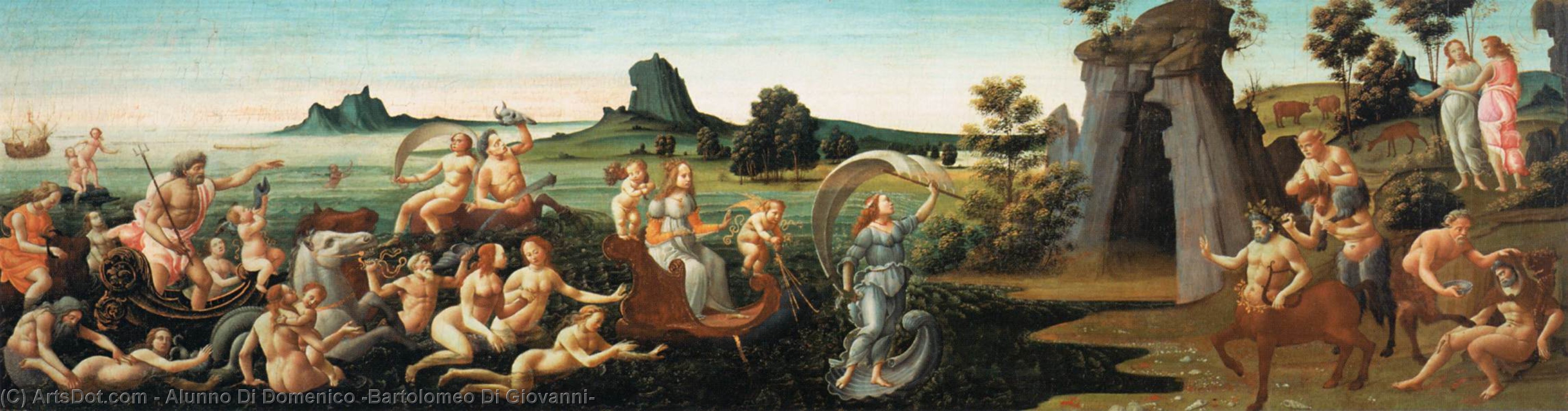
Procession of Thetis
 Fresco
- Early Renaissance
 1490
1490- Renaissance
 42.0 x 150.0 cm
 The Louvre
 Read More
Purchase a high-resolution, enhanced digital image, far superior to the online preview.
Each file is meticulously prepared by our in-house specialists using advanced tools and expert manual retouching. We ensure every image has exceptional clarity, precise color accuracy, and fine detail.
The final file is delivered via email within 72 hours, optimized for immediate use in professional, editorial, and print environments. This is the same quality trusted by top-tier design studios, publishers, and galleries.
Digital Image
Download a high-resolution file for personal display, printing, and creative projects. ( Buy Print Buy Hand Made Painting)
Included in Every Digital Image Order
Expert Digital Delivery, Guaranteed
When you choose ArtsDot.com, you're not just getting an image - you're receiving a professionally enhanced digital artwork, crafted with precision and backed by a satisfaction guarantee. Here's everything that comes with your order, automatically:

Fast Email Delivery
Your high-resolution digital image file will be emailed to you within 72 hours of ordering - ready for immediate use.

AI-Enhanced Digital File
Your artwork is professionally optimized using advanced AI tools and manual editing, ensuring maximum detail, clarity, and color accuracy.

Free Lifetime Re-Delivery
Accidentally deleted or lost your file? No worries - we'll resend it to you anytime, free of charge.

No Import Fees - Ever
Enjoy your artwork instantly with zero customs, duties, or delivery fees - digital downloads are always tax-free.

Color Accuracy Guarantee
We ensure your digital image reflects the original colors as closely as possible using professional tools and color management.

60-Day Satisfaction Guarantee
If you're not satisfied with your digital image, we'll revise it or refund 100% within 60 days - no questions asked.

100% Money-Back Guarantee
Not satisfied? Get a full refund within 60 days of receiving your digital file - no questions asked.

Bulk Order Discounts
Buy 3 images, save 10% - Buy 5, save 15% - Buy 10+, save 20%. Great for creative projects, galleries, and agencies.
A Grand Renaissance Procession: The Spirit of Florentine Movement
In the vast, sweeping expanse of the Procession of Thetis, we are transported back to the vibrant streets of late 15th-century Florence. Created around 1490 by the skilled hand of Alunno di Domenico (Bartolomeo di Giovanni), this magnificent fresco captures a moment of profound kinetic energy. The composition unfolds like a cinematic panoramic shot, guiding the viewer’s eye through a rhythmic parade of figures, horses, and travelers. As one traverses the length of this work, there is an undeniable sense of life in motion; the placement of individuals—some drifting toward the foreground while others recede into the hazy distance—creates a breathtaking illusion of depth and atmospheric perspective that was the hallmark of the Florentine Renaissance.
The scene is far more than a mere gathering; it is a masterclass in narrative composition. A boat glides subtly on the left, hinting at the maritime connections of the era, while horses and pedestrians navigate a winding road that feels both ancient and immediate. The artist utilizes the fresco technique to impart a certain earthy permanence to the scene, yet the brushwork retains a delicate fluidity that suggests the rustle of fabric and the steady clip-clop of hooves. For the discerning collector or interior designer, this piece offers a rare opportunity to introduce a sense of historical grandeur and rhythmic grace into a contemporary space.
The Legacy of the Master’s Pupil
To understand the technical finesse of this work, one must look toward the shadows of the great Domenico Ghirlandaio. As a student of this Florentine titan, Bartolomeo di Giovanni—often referred to as Alunno di Domenico—inherited a sophisticated understanding of light, shadow, and human anatomy. In Procession of Thetis, we see the subtle interplay between the master's monumental style and the pupil's unique, more intimate observational skills. There is a poetic quality to how he captures the various positions of the people in the procession, imbuing each figure with a distinct sense of purpose and weight.
This historical context adds a layer of intellectual depth to the artwork, making it an invaluable piece for those who appreciate the lineage of art history. The painting serves as a bridge between the structured divinity of early Renaissance religious works and the more humanistic, narrative-driven scenes that would come to define the era. Owning a high-quality reproduction of such a work is not merely about decoration; it is about preserving a fragment of the Florentine spirit—a period where art sought to harmonize the earthly journey with the divine order.
An Evocative Presence for Sophisticated Interiors
For those seeking to curate an environment of elegance and storytelling, the Procession of Thetis offers unparalleled inspiration. Its elongated format, measuring a striking 42 x 150 cm, makes it an ideal focal point for long hallways, above grand consoles, or as a commanding element in a library setting. The palette, though aged by time, retains a warmth that can anchor a room, providing a sophisticated backdrop that complements both classical and modern decor.
The emotional impact of the piece lies in its ability to evoke nostalgia and wonder. It invites contemplation on the passage of time and the continuous flow of human history. Whether you are an art enthusiast drawn to the technical mastery of the Quattrocento or a designer looking for a piece that breathes life and movement into a static room, this reproduction stands as a testament to the enduring power of the Renaissance. It is a window into a world of movement, a silent yet powerful parade that continues to captivate the soul centuries after its creation.
Related Artworks
![Scrovegni - [12] - Wedding Procession — Giotto Di Bondone, Proto-renaissance](/media/artworks/images-thumb/c6/73/c6736271740d6a4ae45df5c606277c3f.jpg)
Artist Biography
Bartolomeo di Giovanni: The Silent Student of Florentine Genius
Bartolomeo di Giovanni, a name often overshadowed by the brilliance of his contemporaries, remains a captivating figure in 15th-century Florentine art. Known primarily through the designation “Alunno di Domenico” – meaning “student of Domenico Ghirlandaio” – this elusive artist’s legacy rests largely on his crucial contributions to the famed Ospedale degli Innocenti frescoes and predella panels, revealing a unique artistic voice within the bustling workshop of one of Florence's most celebrated masters. His life was tragically short, ending in his early thirties, yet his work offers a poignant glimpse into the evolution of Renaissance painting and the subtle interplay between master and pupil.
Born around 1458 in Florence, Bartolomeo’s origins remain somewhat shrouded in mystery. He was likely apprenticed to Domenico Ghirlandaio, a position that afforded him invaluable experience and access to the latest artistic techniques. Ghirandaio's workshop was a crucible of innovation, attracting talented young artists eager to hone their skills – and Bartolomeo undoubtedly benefited immensely from this environment. While his early life is sparsely documented, archival research has firmly established his identity beyond the simple label of “student,” revealing him as a distinct artist with a developing style.
The Predella Panels: A Window into Artistic Innovation
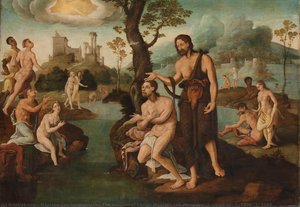
Bartolomeo’s most significant contribution to art history lies in his execution of predella panels – the small, narrative scenes that adorned the altarpieces of the late 15th century. These panels, particularly those he completed for Domenico Ghirlandaio's Adoration of the Magi (1488) at the Ospedale degli Innocenti, are remarkable for their emotional depth and subtle stylistic departures from the prevailing conventions. The scenes depict episodes from the life of St. John the Baptist – a subject frequently chosen for its devotional appeal – showcasing Bartolomeo’s skill in portraying human figures with a delicate grace and expressive quality.
What distinguishes Bartolomeo's work is not a radical departure, but rather a refinement of Ghirlandaio’s style. He retained the master’s characteristic use of bright colors, meticulous detail, and balanced compositions, yet infused his scenes with a greater sense of intimacy and psychological realism. Notably, he employed a looser brushstroke and a more expressive handling of drapery than Ghirlandaio, hinting at a developing personal style. The “Scenes from the Life of St John the Baptist” are particularly noteworthy for their evocative storytelling and the artist’s ability to capture fleeting moments of emotion.
Influences and Artistic Development
Bartolomeo's artistic development is inextricably linked to his apprenticeship with Domenico Ghirlandaio. However, it’s increasingly clear that he was also influenced by other prominent Florentine artists of the period. The subtle echoes of Sandro Botticelli’s elegant line and the influence of Fra Angelico’s devotional intensity can be detected in his work, suggesting a broad artistic education. Furthermore, some scholars have pointed to possible connections with the more austere and emotionally charged style of Piero di Cosimo, a contemporary painter known for his dramatic depictions of religious subjects.
Despite these influences, Bartolomeo ultimately forged his own distinctive path. His predella panels demonstrate a remarkable ability to synthesize diverse stylistic elements into a cohesive and compelling narrative. He skillfully balanced technical proficiency with emotional sensitivity, creating works that are both aesthetically pleasing and deeply moving.
A Tragic End and Lasting Legacy
Bartolomeo di Giovanni’s life was tragically cut short in 1501, likely due to illness. His untimely death deprived the art world of a promising talent whose potential remained largely untapped. Despite his brief career, Bartolomeo left behind a significant body of work that continues to fascinate and intrigue scholars today. His predella panels, particularly those from the Ospedale degli Innocenti, are considered masterpieces of Florentine Renaissance painting, offering invaluable insights into the artistic practices and cultural values of the era.
Today, Bartolomeo di Giovanni is recognized as a significant, though often overlooked, figure in the history of Italian art. His work stands as a testament to the power of apprenticeship, the enduring influence of master artists, and the remarkable creativity that flourished within the vibrant artistic landscape of Renaissance Florence.
alunno di domenico (bartolomeo di giovanni)
1475 - 1503 , Italy
Quick Facts
- Artistic Movement Or Style: Renaissance
- Artists Or Movements Influenced By This Artist: ['Botticelli']
- Artists Who Influenced This Artist: ['Domenico Ghirlandaio']
- Date Of Birth: 1458?
- Date Of Death: 1501
- Full Name: Bartolomeo di Giovanni
- Nationality: Italian
- Notable Artworks:
- St John's Life
- The Nativity
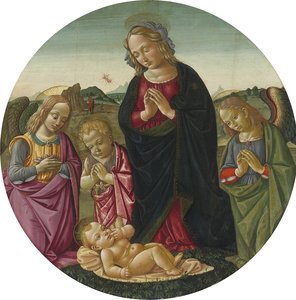
- Madonna and Child
- Place Of Birth: Florence, Italy

