 Preview
 Send
Send Share
Share
 Details

 Download
 Similars
 X-Ray
X-Ray Diaporama
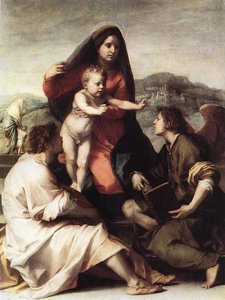
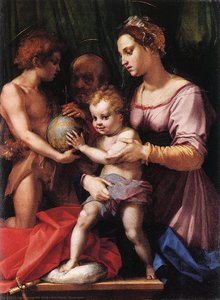
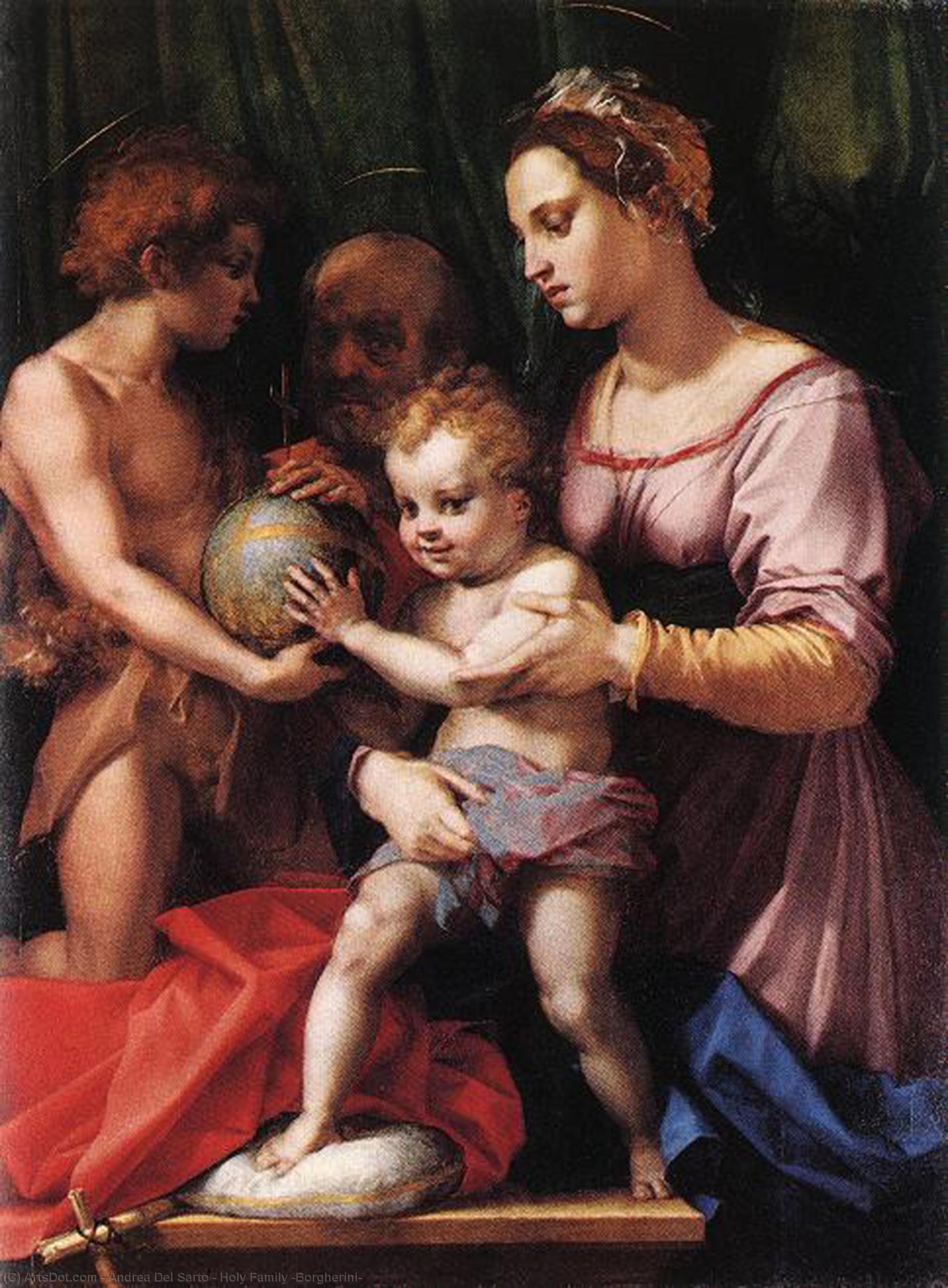
Holy Family (Borgherini)
 Oil
Oil- WallArt
- Early Mannerism
 1529
1529- Renaissance
 135.0 x 100.0 cm
 Metropolitan Museum of Art
 Read More
Giclée / Art Print
Museum-quality giclée or canvas print with fast production and flexible finish options. ( Buy Hand Made Painting Buy Image)




P118B $10

P118H $10

P118W $10

P438Z $10

P508JH $12

P508YH $12

P805H $10

P805Z $10

P919BZ $10

P919G $10

P919XJ $10

P959ZH $10

P968JZ $12

W106C $8

W218G $10

W218JH $8

W218Y $10

W307PJ $10

W316G $10

W316PJ $8

W316Y $10

W398PJ $8

W4111J $10

W500HY $15

W500JH $15

W692G $12

W849H $8

W940BG $15

W953PJ $8




Pick from our preset sizes that match the artwork's original proportions.

You may enter your own dimensions to fit a specific frame or space. If your selected size does not match the original image's proportions, we will either crop the artwork or extend the image with a mirrored or solid-fill edge. A digital mockup will be sent for your approval before production begins.
Please note that the on-screen preview does not reflect the actual cropping or extension. Only the mockup will accurately show the final composition.
While custom sizes are available, we recommend selecting a dimension from the predefined list to preserve the original proportions.
Worldwide Delivery () in 2 weeks instead of standard 4/5 weeks. (20 August)

Free Worldwide Express Shipping

High-Quality Linen Canvas

Full Shipping Insurance

Customs Tax Refund Guarantee

True Color Matching Guarantee

60-Day Return Policy (Defects Only)

100% Money-Back Guarantee

Bulk Discount Offer
 Glass option is only available in size under 110 CM

Holy Family (Borgherini)
Giclée / Art Print
Reproduction Size
-


Total Price
$ 63
Collectible Description
A Divine Intimacy: The Soul of Florentine Mannerism
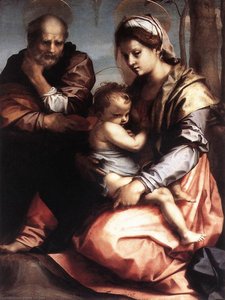
In the quiet, hallowed halls of the Museo del Cenacolo di San Salvi in Florence, there exists a window into a moment of profound spiritual tenderness. Andrea del Sarto’s “Holy Family (Borgherini),” completed around 1529, is far more than a mere religious icon; it is a masterclass in the transition from the balanced perfection of the High Renaissance to the emotive, complex language of Mannerism. As one gazes upon this masterpiece, the initial impression is not one of distant divinity, but of an overwhelming, palpable human connection. The central trio—Mary, Joseph, and the infant Jesus—are gathered within an intimate interior, their figures bathed in a diffused, soft light that seems to emanate from the very sanctity of their bond.
Del Sarto, often celebrated as the “painter without errors,” moves beyond the idealized, static compositions of his predecessors to imbue his subjects with a psychological depth that resonates across centuries. There is a weight to the silence in this painting, a solemnity that invites the viewer to lean in and witness the quiet gravity of familial piety. For the discerning collector or interior designer, this piece offers a rare opportunity to introduce a sense of historical prestige and contemplative calm into a space, acting as an anchor of grace and intellectual depth.
Symbolism and the Mastery of Light
Every element within this composition is meticulously choreographed to convey a deeper theological narrative. While the scene appears domestic, it is rich with deliberate symbolism designed to elevate the mundane to the miraculous. Most striking is the infant Jesus, cradled securely in Mary’s arms, holding aloft a small globe. This subtle yet powerful gesture serves as a profound metaphor for Christ’s role as the savior of mankind and his dominion over all creation. It transforms the intimate family portrait into a cosmic statement of faith.
The artist’s technical prowess is most evident in his handling of light and texture. Eschewing the unnaturally smooth surfaces favored by some of his contemporaries, del Sarto employs a sophisticated Mannerist technique characterized by meticulous layering and glazing. This creates a luminous, almost breathing surface that captures the subtle nuances of shadow and highlight. The palette, dominated by muted reds, earthy browns, and deep ochres, creates a harmonious and somber atmosphere, ensuring that the viewer's focus remains fixed on the emotional interplay between the figures rather than being distracted by garish color.
An Enduring Legacy for the Modern Collector
To possess a reproduction of this caliber is to bring a piece of Florentine history into the contemporary home. The "Holy Family" represents a pivotal moment in art history, capturing the tension and beauty of an era defined by artistic experimentation and intellectual ferment. Its presence in a room provides more than just decoration; it offers a conversation piece that speaks to the enduring human desire for connection, protection, and spiritual meaning.
Whether placed in a curated gallery setting or used as a focal point in a sophisticated living space, this work inspires awe through its technical brilliance and emotional honesty. For those seeking to surround themselves with art that possesses both historical weight and aesthetic elegance, del Sarto’s vision remains an unsurpassed choice, bridging the gap between the sacred traditions of the 16th century and the refined tastes of the modern era.
Related Artworks
Artist Biography
early life and training
andrea del sarto, a prominent figure in italian high renaissance, was born on july 16, 1486, in gualfonda, near florence. his early life led him to become an apprentice to an orfèvre, followed by training under the painter and wood sculptor gian barile. later, he worked with piero di cosimo and raffaellino del garbo.artistic career
andrea's collaboration with franciabigio led to their first joint project, the baptism of christ, for the scalzo congregation in florence. this marked the beginning of a long series of monochromatic frescoes in grisaille. as time passed, andrea developed his unique style, eventually joining the arte dei medici e degli speziali in 1508.notable works and commissions
- the holy family, a painting commissioned by zanobi strozzi for the chapel at his villa of rovezzano, now housed in the pinacoteca of the gallerie nazionali di arte antica (palazzo barberini) in rome, italy.
- cenacolo di andrea del sarto, a fresco covering over 40 square meters, depicting jesus and his disciples during the last supper, located at the museo del cenacolo di andrea del sarto in florence.
- storie di miracoli di san filippo benizzi, a series of frescoes for the loggia dei servi di maria, showcasing his early skill with monochromatic grisaille.
legacy and influence
despite being overshadowed by contemporaries like leonardo da vinci, michelangelo, and raphael, andrea del sarto's work is characterized by its unique blend of high renaissance and mannerism. his legacy can be seen in the numerous artworks he left behind, each a testament to his skill as a painter, decorator, portraitist, and colorist. view more works by andrea del sarto on ArtsDot: [https://ArtsDot.com/@/andrea del sarto](https://ArtsDot.com/@/andrea-del-sarto) explore the pinacoteca of the gallerie nazionali di arte antica (palazzo barberini) on ArtsDot: /en/art/show/art-d3afwr-en/ read more about andrea del sarto's life and works on wikipedia: [https://fr.wikipedia.org/wiki/andrea_del_sarto](https://fr.wikipedia.org/wiki/andrea_del_sarto)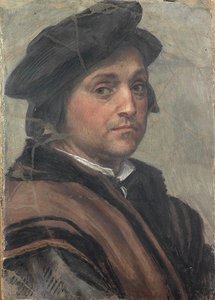
Andrea del Sarto
1486 - 1530 , Italy
Quick Facts
- Artistic Movement Or Style: High Renaissance & Mannerism
- Artists Or Movements Influenced By This Artist: ['Giorgio Vasari']
- Artists Who Influenced This Artist:
- Leonardo da Vinci
- Raphael
- Gian Barile
- Date Of Birth: July 16, 1486
- Date Of Death: September 29, 1530
- Full Name: Andrea d'Agnolo di Francesco di Luca
- Nationality: Italian
- Notable Artworks:
- The Last Supper
- Holy Family
- Saint John the Baptist
- Place Of Birth: Florence, Italy
Related Articles

The Fresco as Family Legacy: Preserving Heritage Through Wall Art
Explore the rich history & enduring legacy of fresco painting. Discover how to preserve family heritage through stunning wall art. Expert insights & restoration guidance.
Andrea del Sarto: Florentine Grace, Technical Mastery & Artistic Ambition
Explore the life & art of Andrea del Sarto, a Florentine Renaissance master renowned for harmonious compositions & technical brilliance. Discover his frescoes, portraits, and lasting influence on art history.

The Enduring Legacy of Fresco Painting: Techniques, History & Contemporary Relevance
Explore the rich history & enduring artistry of fresco painting – from Giotto to Michelangelo! Discover techniques, conservation efforts, & modern applications. Learn how ArtsDot brings this timeless art form to your home.

The Enduring Legacy of Fresco: Technique, History & Artistic Expression Across Cultures
Explore the rich history & enduring legacy of fresco painting! Discover ancient techniques, Giotto's masterpieces, and modern applications. Expert insights for art lovers & professionals.
The Enduring Legacy of Fresco: Technique, History & Artistic Expression
Explore the rich history & enduring artistry of fresco painting. Discover techniques from Giotto to Michelangelo, conservation efforts, & modern applications. Learn how ArtsDot brings this timeless art form to your home.