 Preview
 Send
Send Share
Share
 Details

 Download
 Similars
 X-Ray
X-Ray Diaporama
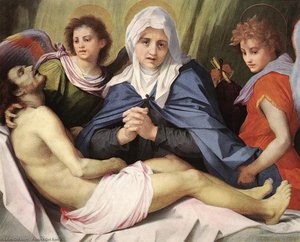
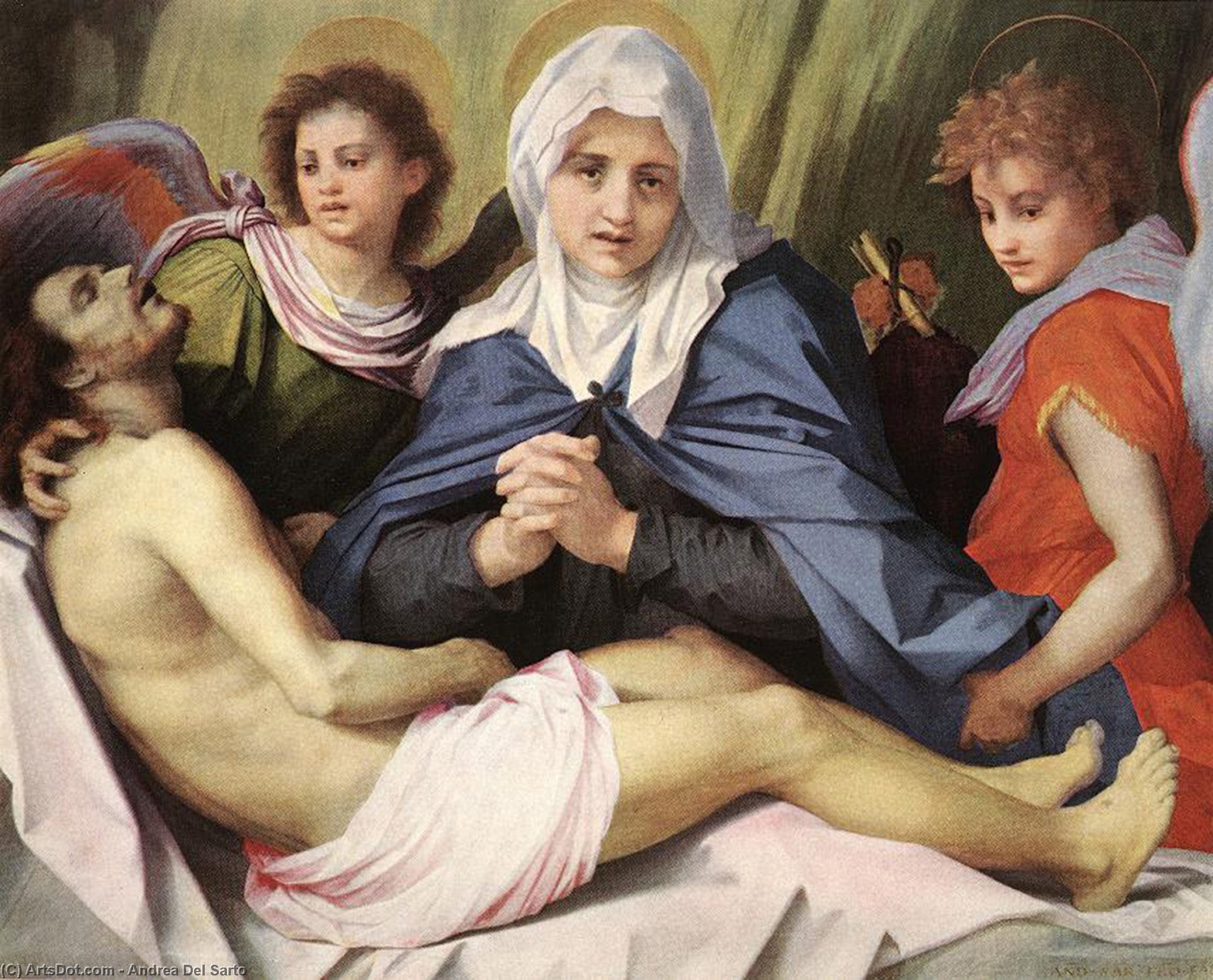
Lamentation of Christ
 Acrylic On Canvas
- WallArt
- Italian High Renaissance
 1520
1520 99.0 x 120.0 cm
 Kunsthistorisches Museum
 Read More
Hand Made Oil Reproduction
Hand-painted oil on canvas in your size and frame, made to order by our artists. ( Buy Print Buy Image)




P118B $10

P118H $10

P118W $10

P438Z $10

P508JH $12

P508YH $12

P805H $10

P805Z $10

P919BZ $10

P919G $10

P919XJ $10

P959ZH $10

P968JZ $12

W106C $8

W218G $10

W218JH $8

W218Y $10

W307PJ $10

W316G $10

W316PJ $8

W316Y $10

W398PJ $8

W4111J $10

W500HY $15

W500JH $15

W692G $12

W849H $8

W940BG $15

W953PJ $8




Pick from our preset sizes that match the artwork's original proportions.

You may enter your own dimensions to fit a specific frame or space. If your selected size does not match the original image's proportions, we will either crop the artwork or extend the painting with additional hand-painted elements. A digital mockup will be sent for your approval before production begins.
Please note that the on-screen preview does not reflect the actual cropping or extension. Only the mockup will accurately show the final composition.
While custom sizes are available, we recommend selecting a dimension from the predefined list to preserve the original proportions.
After order, ArtsDot.com team will email client for instructions and provide a mockup preview
Worldwide Delivery () in 3/4 weeks instead of standard 5 weeks. (23 August). No compromise on quality.

Free Worldwide Express Shipping

High-Quality Linen Canvas

Full Shipping Insurance

Customs Tax Refund Guarantee

True Color Matching Guarantee

60-Day Return Policy (Defects Only)

100% Money-Back Guarantee

Bulk Discount Offer
 Glass option is only available in size under 110 CM

Lamentation of Christ
Reproduction Medium
Reproduction Size
-


Total Price
$ 263
Artwork Description
Lamentation of Christ – A Renaissance Reflection on Suffering
The Lamentation of Christ, executed by Andrea del Sarto in 1520, stands as one of the most poignant expressions of grief within the Florentine High Renaissance. Commissioned for the Cappella Maggiore of San Salvi Basilica, Florence, this monumental fresco transcends mere depiction; it strives to convey a profound spiritual experience rooted in Christian iconography and humanist sensibilities. Its enduring power lies not only in its masterful execution but also in its ability to resonate with viewers across centuries.Style and Technique: Grisaille’s Emotional Depth
Del Sarto employed the technique of grisaille – monochrome painting in shades of grey – a stylistic choice deliberately designed to heighten emotional impact. Rejecting vibrant color palettes favored by earlier artists, he opted for tonal gradations that meticulously rendered the textures of flesh, drapery, and stone. This restrained palette served as a powerful tool for focusing attention on the central figures and amplifying their sorrowful expressions. The artist’s meticulous layering of thin glazes created an illusionistic depth, convincingly simulating the materiality of the depicted elements – mirroring the Renaissance fascination with realism while simultaneously elevating the artwork beyond mere visual representation.Historical Context: Florentine Piety Amidst Political Turmoil
The fresco's creation coincided with a period of significant political instability in Florence—the Medici family’s grip on power was tenuous, threatened by papal opposition and simmering republican discontent. Yet, amidst this turbulent backdrop, the Cappella Maggiore served as a sanctuary for Florentine piety, embodying the humanist conviction that art could illuminate moral truths. Del Sarto's commission reflected the broader cultural preoccupation with grief and mourning—a response to the pervasive anxieties surrounding mortality and divine judgment prevalent during the Renaissance. The fresco’s solemn atmosphere speaks volumes about the spiritual values of its time.Symbolism: Angels, Grief, and Divine Compassion
The composition is laden with symbolic significance. Seven figures dominate the scene – Jesus Christ at the center, flanked by Mary Magdalene, Nicodemus, Joseph of Arimathea, John Evangelist, Mary Cleophas, and Veronica—each embodying aspects of Christian compassion and sorrow. Angels hover above, conveying divine consolation amidst human suffering. The drapery folds are rendered with painstaking detail, emphasizing the vulnerability of the figures and mirroring the biblical depiction of mourning garments. Furthermore, the inclusion of a skull – subtly positioned amongst the mourners – serves as a poignant reminder of Christ’s sacrifice and the inevitability of death—a cornerstone of Christian theology.Emotional Impact: A Window into Human Experience
Ultimately, The Lamentation transcends its formal conventions to evoke an overwhelming sense of empathy. Del Sarto's masterful manipulation of tonal color and texture compels viewers to confront the raw emotion of grief—capturing not merely the outward manifestations of sorrow but also the inner turmoil experienced by those witnessing Christ’s crucifixion. It remains a testament to the enduring capacity of art to communicate profound spiritual truths, prompting contemplation on themes of loss, compassion, and divine mercy—a timeless masterpiece that continues to inspire awe and provoke reflection.Related Artworks
Artist Biography
early life and training
andrea del sarto, a prominent figure in italian high renaissance, was born on july 16, 1486, in gualfonda, near florence. his early life led him to become an apprentice to an orfèvre, followed by training under the painter and wood sculptor gian barile. later, he worked with piero di cosimo and raffaellino del garbo.artistic career
andrea's collaboration with franciabigio led to their first joint project, the baptism of christ, for the scalzo congregation in florence. this marked the beginning of a long series of monochromatic frescoes in grisaille. as time passed, andrea developed his unique style, eventually joining the arte dei medici e degli speziali in 1508.notable works and commissions
- the holy family, a painting commissioned by zanobi strozzi for the chapel at his villa of rovezzano, now housed in the pinacoteca of the gallerie nazionali di arte antica (palazzo barberini) in rome, italy.
- cenacolo di andrea del sarto, a fresco covering over 40 square meters, depicting jesus and his disciples during the last supper, located at the museo del cenacolo di andrea del sarto in florence.
- storie di miracoli di san filippo benizzi, a series of frescoes for the loggia dei servi di maria, showcasing his early skill with monochromatic grisaille.
legacy and influence
despite being overshadowed by contemporaries like leonardo da vinci, michelangelo, and raphael, andrea del sarto's work is characterized by its unique blend of high renaissance and mannerism. his legacy can be seen in the numerous artworks he left behind, each a testament to his skill as a painter, decorator, portraitist, and colorist. view more works by andrea del sarto on ArtsDot: [https://ArtsDot.com/@/andrea del sarto](https://ArtsDot.com/@/andrea-del-sarto) explore the pinacoteca of the gallerie nazionali di arte antica (palazzo barberini) on ArtsDot: /en/art/show/art-d3afwr-en/ read more about andrea del sarto's life and works on wikipedia: [https://fr.wikipedia.org/wiki/andrea_del_sarto](https://fr.wikipedia.org/wiki/andrea_del_sarto)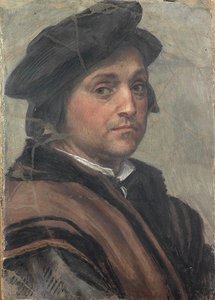
Andrea del Sarto
1486 - 1530 , Italy
Quick Facts
- Artistic Movement Or Style: High Renaissance & Mannerism
- Artists Or Movements Influenced By This Artist: ['Giorgio Vasari']
- Artists Who Influenced This Artist:
- Leonardo da Vinci
- Raphael
- Gian Barile
- Date Of Birth: July 16, 1486
- Date Of Death: September 29, 1530
- Full Name: Andrea d'Agnolo di Francesco di Luca
- Nationality: Italian
- Notable Artworks:
- The Last Supper
- Holy Family
- Saint John the Baptist
- Place Of Birth: Florence, Italy
Related Articles
Andrea del Sarto: Florentine Grace, Technical Mastery & Artistic Ambition
Explore the life & art of Andrea del Sarto, a Florentine Renaissance master renowned for harmonious compositions & technical brilliance. Discover his frescoes, portraits, and lasting influence on art history.

The Fresco as Family Legacy: Preserving Heritage Through Wall Art
Explore the rich history & enduring legacy of fresco painting. Discover how to preserve family heritage through stunning wall art. Expert insights & restoration guidance.

The Enduring Legacy of Fresco Painting: Techniques, History & Contemporary Relevance
Explore the rich history & enduring artistry of fresco painting – from Giotto to Michelangelo! Discover techniques, conservation efforts, & modern applications. Learn how ArtsDot brings this timeless art form to your home.

The Enduring Legacy of Fresco: Technique, History & Artistic Expression Across Cultures
Explore the rich history & enduring legacy of fresco painting! Discover ancient techniques, Giotto's masterpieces, and modern applications. Expert insights for art lovers & professionals.
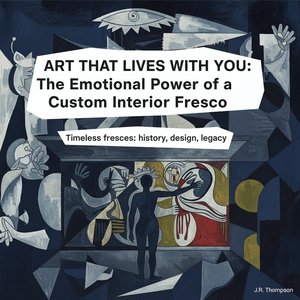
Art That Lives With You: The Emotional Power of a Custom Interior Fresco
Discover the emotional power & timeless beauty of custom interior frescoes. Explore history, design tips & expert guidance from – creating lasting legacies.