 Send
Send Share
Share
 Details

 Download
 Similars
 Diaporama
Sculpture
 Marble
- Sculpture
- Gothic art
 1336
1336- Late Medieval
 83.0 x 69.0 cm
 Museo dell'Opera del Duomo
 Read More
Giclée / Art Print
Museum-quality giclée or canvas print with fast production and flexible finish options. ( Buy Hand Made Painting Buy Image)




































Pick from our preset sizes that match the artwork's original proportions.

You may enter your own dimensions to fit a specific frame or space. If your selected size does not match the original image's proportions, we will either crop the artwork or extend the image with a mirrored or solid-fill edge. A digital mockup will be sent for your approval before production begins.
Please note that the on-screen preview does not reflect the actual cropping or extension. Only the mockup will accurately show the final composition.
While custom sizes are available, we recommend selecting a dimension from the predefined list to preserve the original proportions.
Worldwide Delivery () in 2 weeks instead of standard 4/5 weeks. (18 August)

Free Worldwide Express Shipping

High-Quality Linen Canvas

Full Shipping Insurance

Customs Tax Refund Guarantee

True Color Matching Guarantee

60-Day Return Policy (Defects Only)

100% Money-Back Guarantee

Bulk Discount Offer
 Glass option is only available in size under 110 CM

Sculpture
Giclée / Art Print
Reproduction Size
-


Total Price
$ 63
Collectible Description
The Enduring Craftsmanship of Andrea Pisano's Sculpture
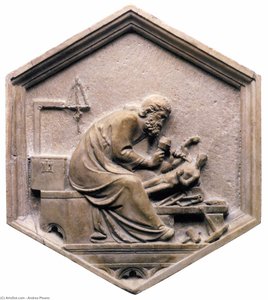
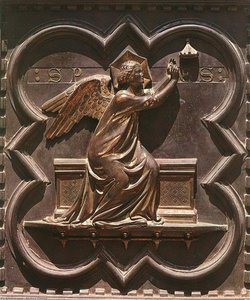
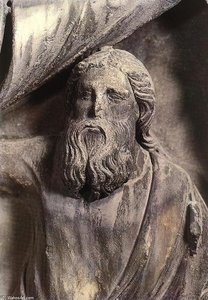
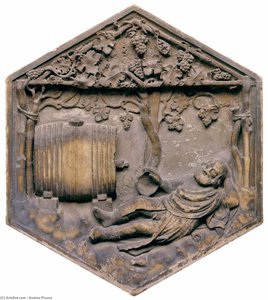
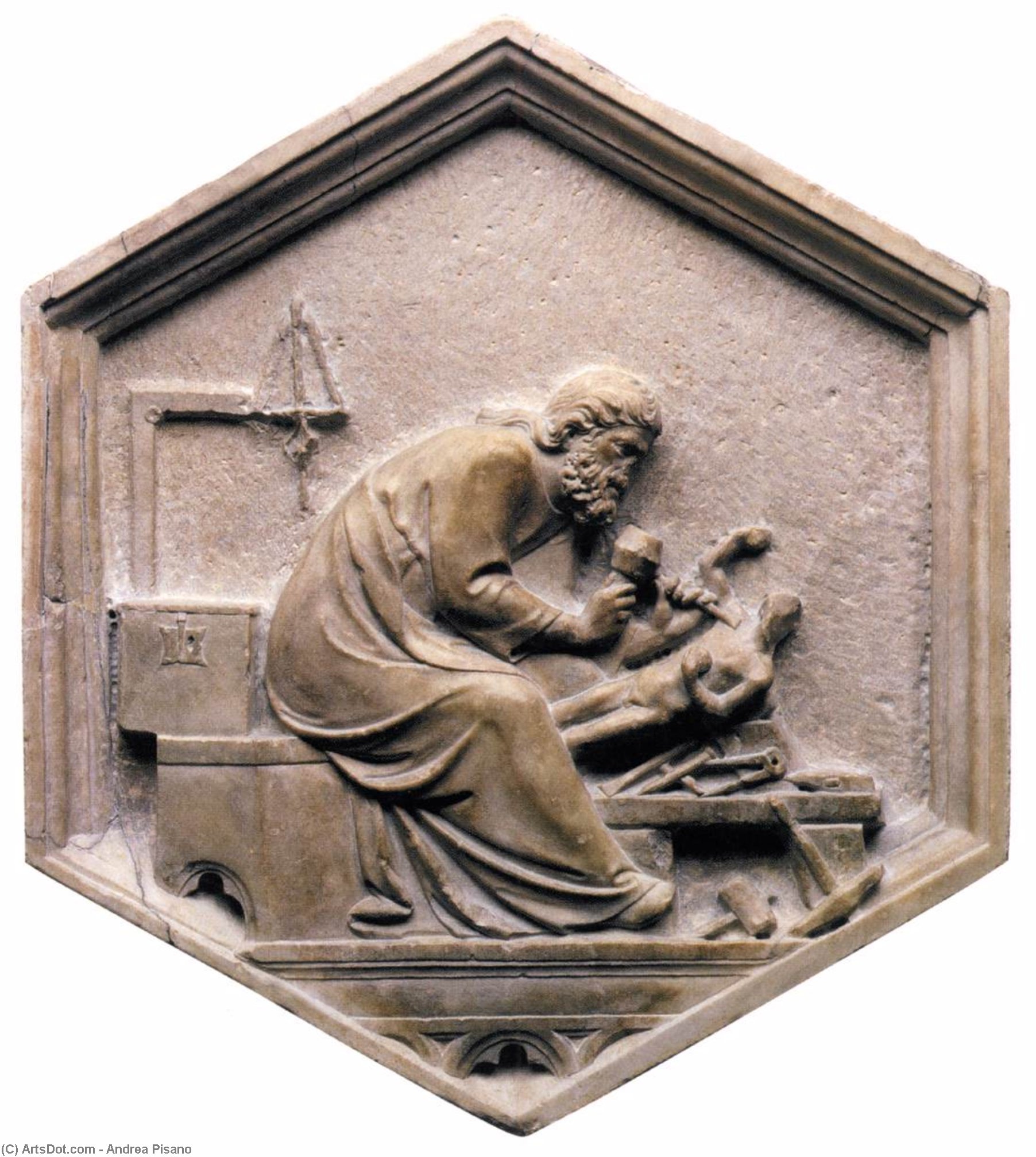
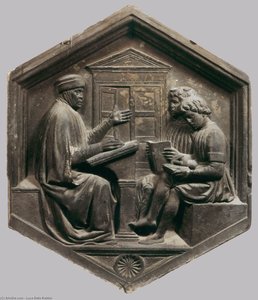
To stand before this marble representation of labor is to encounter not merely a carved figure, but a tangible echo from the heart of the Italian Renaissance. Created in 1336 by the masterful hands of Andrea Pisano, this sculpture transcends its physical form; it embodies the very spirit of human dedication and artistic pursuit. The piece captures a moment of profound concentration—a seated artisan deeply engaged with his craft. One can almost hear the gentle scrape of tool against stone, imagining the focused breath of the sculptor himself as he brought this vision to life centuries ago.
A Masterpiece in Marble: Technique and Detail
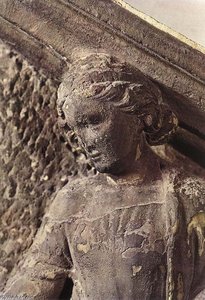
Andrea Pisano’s command over marble is breathtakingly evident here. The artist did not simply carve a likeness; he breathed life into cold, hard stone. Observe the exquisite rendering of the figure's robes, which fall with naturalistic weight, contrasting beautifully with the detailed musculature suggested beneath. The tools held in the figure's hands are rendered with such precision that they feel ready for immediate use. Furthermore, the visible patina and weathered texture speak volumes; these signs of age are not flaws but rather hallmarks of its storied existence within the hallowed halls of the Museo dell'Opera del Duomo. This rich history imbues every surface with a depth that no modern reproduction can fully replicate.
Gothic Echoes in Renaissance Form
Stylistically, this work sits at a fascinating crossroads. While it belongs to the burgeoning spirit of the Renaissance, its detailed narrative quality and emotional resonance carry strong echoes of the preceding Gothic tradition. Pisano masterfully navigates this transition, blending the spiritual intensity often found in medieval religious art with an emerging naturalism that points toward the revolutionary genius of Giotto. The figure’s demeanor suggests a quiet contemplation—a moment where manual skill meets divine inspiration. It speaks to a time when art served not only as decoration but as profound teaching and devotion.
Symbolism of Labor and Artistry
The subject matter itself is rich with symbolism. By depicting an artist at work, Pisano elevates the act of creation—whether it be carving marble or composing a grand fresco—to an almost sacred ritual. It suggests that true artistry requires both immense technical skill and deep spiritual focus. For the modern collector or designer, this piece serves as a powerful talisman: a reminder that beauty is born from patient effort, meticulous attention to detail, and the enduring human capacity for creation. To bring such a piece into a contemporary space is to infuse it with an aura of timeless dedication.
Bringing History Home
Whether you are curating a gallery wall or seeking a singular focal point for a grand foyer, this sculpture offers unparalleled gravitas. While the original scale and presence are monumental, reproductions allow art lovers worldwide to connect intimately with this segment of Italian heritage. Owning a reproduction of Andrea Pisano’s Sculpture is not just acquiring decor; it is curating a dialogue across five centuries—a conversation between the master craftsman of 1336 and the discerning eye of today.
Related Artworks
Artist Biography
Andrea Pisano: Bridging Byzantium and Giotto’s Vision
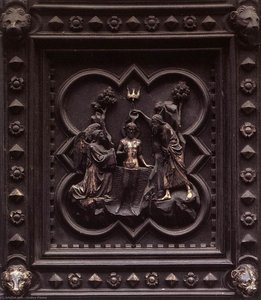
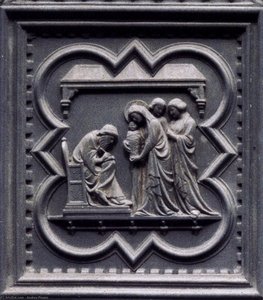
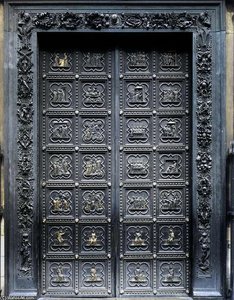
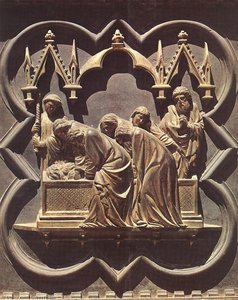
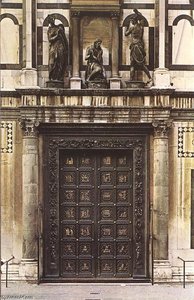
Andrea Pisano (c. 1290 – 1348 Orvieto) stands as a monumental figure in Italian Renaissance sculpture, yet his artistic legacy is inextricably linked to the preceding Gothic era and profoundly shaped by the revolutionary influence of Giotto di Bondone. Born in Pontecorvo, Lazio, Pisano’s early life remains shrouded in some mystery, though he honed his craft initially as a goldsmith before dedicating himself wholeheartedly to sculpting around 1300 under the tutelage of Mino di Giovanni. This formative apprenticeship instilled in him a mastery of technique and an understanding of monumental design that would characterize his entire oeuvre.- Early Career & Pisa Baptistery Doors: Pisano’s initial renown emerged from his collaborative work on the ambitious Baptistery façade at Pisa Cathedral, alongside Giovanni di Balduccio. Together they embarked upon creating a breathtaking ensemble of bronze doors—a project that epitomized Gothic ambition and showcased Pisano's burgeoning sculptural prowess. The south door, begun in 1330 and completed in 1336, is arguably his masterpiece, featuring exquisitely detailed quatrefoil panels depicting scenes from the life of Saint John the Baptist. These panels demonstrate a remarkable sensitivity to naturalism—a departure from Byzantine conventions—and foreshadowed Giotto’s groundbreaking approach to portraying human figures with unprecedented realism.
- Florence Cathedral & Giotto's Legacy: Pisano swiftly established himself as Florence’s leading sculptor, succeeding Giotto as maestro d’opera in 1340. He undertook the monumental task of constructing a series of reliefs for the Duomo—the cathedral—a project that cemented his reputation and solidified Giotto’s enduring influence on his artistic style. These reliefs, conceived by Pisano himself, are imbued with Giotto's humanist spirit and represent a pivotal moment in Florentine art history.
The Duomo Reliefs: A Testament to Giotto’s Influence
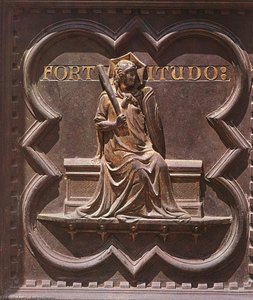
Pisano’s contribution to the Duomo is particularly noteworthy for its ambitious scale and thematic richness. The four colossal panels depicting prophets—Isaiah, Jeremiah, Ezekiel, and Daniel—are considered among the finest examples of Gothic sculpture in Italy. Pisano skillfully captured the solemn dignity and expressive gestures of these biblical figures, mirroring Giotto's revolutionary depiction of human emotion and anatomy. Furthermore, the seven virtues—faith, hope, charity, prudence, justice, temperance, and fortitude—were rendered with meticulous detail, reflecting Giotto’s humanist vision of man as a rational being capable of moral contemplation.- Technique & Innovation: Pisano's sculptural technique was characterized by its precision and virtuosity. He employed a masterful understanding of contrapposto—the balanced stance adopted by human figures—to convey dynamism and realism. His sculptures are imbued with an unparalleled sense of depth and texture, achieved through innovative carving methods that anticipated developments in Renaissance sculpture.
Beyond Florence: Orvieto Cathedral & Artistic Patronage
Pisano’s artistic endeavors extended beyond Florence, culminating in his involvement with the construction of Orvieto Cathedral—a project initiated by Lorenzo Maitani before Pisano's arrival. He oversaw the creation of a monumental bronze doors and contributed significantly to the cathedral’s overall aesthetic grandeur. This undertaking showcased Pisano’s versatility as an architect and sculptor, demonstrating his ability to adapt to diverse artistic traditions while maintaining his distinctive stylistic vision.Historical Significance & Lasting Impact
Andrea Pisano's work represents a crucial bridge between Byzantine art and the burgeoning Renaissance movement. He skillfully assimilated Byzantine sculptural conventions—particularly the stylized depiction of drapery—while simultaneously embracing Giotto’s humanist ideals and pioneering techniques for portraying human anatomy with unprecedented accuracy. His sculptures stand as enduring testaments to the artistic genius of the Gothic period and profoundly influenced subsequent generations of sculptors, establishing him as one of Italy's most influential artists of his time. He died in 1348, leaving behind a legacy that continues to inspire admiration for its beauty and innovation.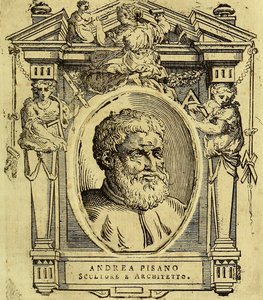
Andrea Pisano
1290 - 1348 , Italy
Quick Facts
- Artistic Movement Or Style: Gothic
- Artists Or Movements Influenced By This Artist: ['Giotto']
- Artists Who Influenced This Artist: ['Mino di Giovanni']
- Date Of Birth: c.1290
- Date Of Death: 1348
- Full Name: Andrea Pisano
- Nationality: Italian
- Notable Artworks:
- Baptistery Doors Florence
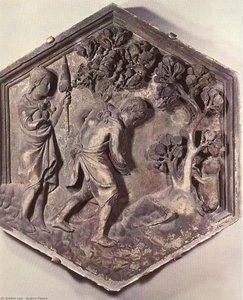
- Shepherd (detail)
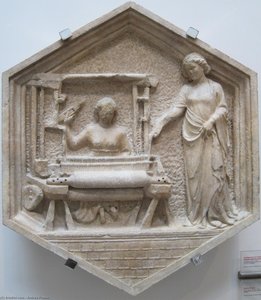
- Weaving (detail)
- Place Of Birth: Pontedera, Italy
Related Articles
The Enduring Allure of Marble in Art History: From Classical Sculpture to Modern Abstraction
Explore the captivating history of marble sculpture from ancient Greece to modern art. Discover renowned artists like Canova & Michelangelo, carving techniques, and investment insights at ArtsDot.

Bronze Sculptures That Defined Art History | ArtsDot
Journey through art history with our Top 10 bronze sculptures! Explore masterpieces by Rodin, Michelangelo & more. Discover stories behind iconic statues and find museum-quality reproductions for your home decor at ArtsDot.com.

The Enduring Form: Exploring Themes & Techniques in Sculpture Across Historical Periods
Explore the rich history of sculpture from ancient masterpieces to contemporary innovations. Discover key techniques, influential artists & investment potential for discerning art collectors.
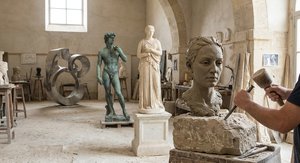
The Enduring Form: Sculpture Across History, Technique & Emotional Resonance
Explore the rich history of sculpture with ArtsDot. Discover key techniques, influential artists & investment potential for discerning collectors. Expert insights into valuing and collecting timeless masterpieces.

Bronze Age to Modern Masters: 10 Sculptures That Redefined Art | ArtsDot
Journey through art history with 10 legendary bronze sculptures – from Michelangelo's David to Rodin’s Thinker. Explore the stories, techniques & timeless beauty of these masterpieces. Find museum-quality reproductions & elevate your home decor on ArtsDot.com.