 Preview
 Send
Send Share
Share
 Details

 Download
 Similars
 X-Ray
X-Ray Diaporama
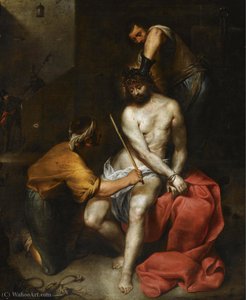
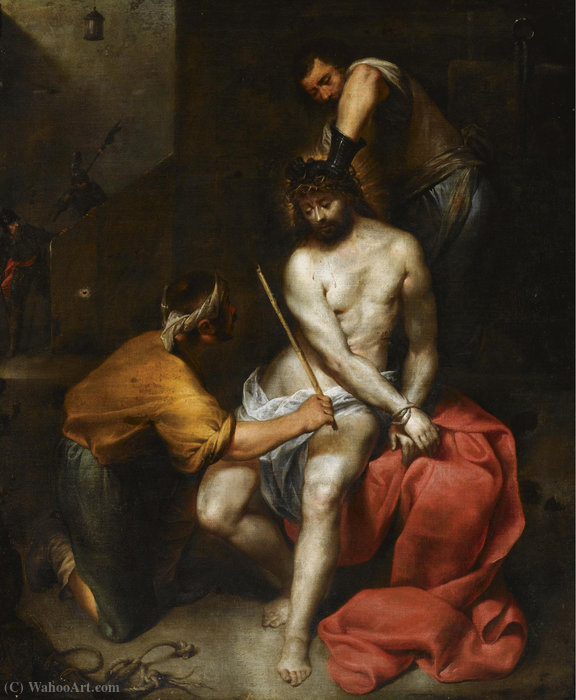
The flagellation of christ

 Read More
Hand Made Oil Reproduction
Hand-painted oil on canvas in your size and frame, made to order by our artists. ( Buy Print Buy Image)




































Pick from our preset sizes that match the artwork's original proportions.

You may enter your own dimensions to fit a specific frame or space. If your selected size does not match the original image's proportions, we will either crop the artwork or extend the painting with additional hand-painted elements. A digital mockup will be sent for your approval before production begins.
Please note that the on-screen preview does not reflect the actual cropping or extension. Only the mockup will accurately show the final composition.
While custom sizes are available, we recommend selecting a dimension from the predefined list to preserve the original proportions.
After order, ArtsDot.com team will email client for instructions and provide a mockup preview
Worldwide Delivery () in 3/4 weeks instead of standard 5 weeks. (27 August). No compromise on quality.

Free Worldwide Express Shipping

High-Quality Linen Canvas

Full Shipping Insurance

Customs Tax Refund Guarantee

True Color Matching Guarantee

60-Day Return Policy (Defects Only)

100% Money-Back Guarantee

Bulk Discount Offer
 Glass option is only available in size under 110 CM

The flagellation of christ
Reproduction Medium
Reproduction Size
-


Total Price
$ 263
A Dramatic Depiction of Suffering: Antonio Maria Vassallo's "The Flagellation of Christ"
This compelling painting by Antonio Maria Vassallo offers a visceral and emotionally charged portrayal of a pivotal moment in Christian tradition – the flagellation of Christ. The scene depicts Jesus enduring brutal whipping at the hands of several figures, rendered with striking realism and dramatic intensity. Vassallo masterfully captures the physical suffering and psychological torment experienced by Christ, drawing the viewer into the heart of this agonizing event. The composition is carefully structured to emphasize the central figure of Christ, surrounded by those participating in or witnessing his torment. A chair positioned near the center adds a layer of complexity, hinting at the power dynamics and detached observation present within the scene.Baroque Style and Venetian Influences
Vassallo’s work firmly resides within the Baroque period (roughly 1600-1750), characterized by its dynamism, theatricality, and intense emotional expression. His style reflects influences from prominent artists of his time, including Sinibaldo Scorza and Giovanni Benedetto Castiglione, both Genoese masters. Notably, Vassallo initially trained under Vincenzo Malò, a Flemish artist who brought the techniques and sensibilities of Rubens and Teniers to Genoa. This training is evident in the painting’s rich color palette, dramatic use of light and shadow (chiaroscuro), and overall sense of movement. The composition isn't static; it pulsates with an energy that conveys the violence and despair of the moment.Historical Context and Symbolism
Painted around 1664, this artwork reflects a period when religious imagery played a crucial role in both devotional practice and artistic expression. The flagellation itself is a significant event within the Passion narrative, representing Christ's suffering before his crucifixion. Beyond the literal depiction of the scene, the painting carries profound symbolic weight. The act of whipping represents not only physical pain but also the burden of humanity’s sins being borne by Christ. The presence of onlookers can be interpreted as symbolizing both the indifference and cruelty of some towards suffering, and the potential for witnessing to inspire faith and compassion. While Vassallo's biography is sparse, this work provides valuable insight into the religious climate and artistic trends prevalent in Genoa during his lifetime.Emotional Impact and Artistic Technique
Vassallo’s skillful use of light and shadow amplifies the emotional impact of the scene. The stark contrast between illuminated areas and deep shadows creates a sense of drama and heightens the viewer's perception of Christ's suffering. The artist demonstrates a keen understanding of human anatomy, rendering the figures with realistic detail while simultaneously conveying their emotional states through facial expressions and body language. This combination of technical skill and emotional depth makes "The Flagellation of Christ" a powerful and moving work of art that continues to resonate with audiences today. The painting’s ability to evoke empathy and contemplation underscores Vassallo's talent as a Baroque master.Related Artworks
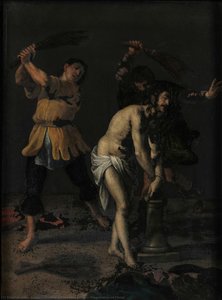
Artist Biography
Antonio Maria Vassallo: A Genoese Baroque Visionary
Antonio Maria Vassallo (c. 1620 – Milan, 1664/1673) remains a figure shrouded in artistic mystery, primarily illuminated by the biographical sketch penned by Raffaele Soprani in 1674—a testament to the scarcity of documented information surrounding this Genoese Baroque painter. His artistic journey began under the tutelage of Vincenzo Malò (c. 1605–c. 1650), a Flemish artist who had honed his craft alongside Rubens and Teniers the Elder, establishing Vassallo’s formative years within a milieu steeped in Northern Mannerism and Flemish idealism. This initial influence would prove pivotal in shaping Vassallo's distinctive style—a blend of meticulous observation and expressive dynamism that distinguishes him from many of his contemporaries.- Early Training & Influences: Malò’s guidance instilled in Vassallo a profound appreciation for detail and compositional balance, mirroring the stylistic conventions prevalent in Antwerp during Rubens’s ascendancy. Notably, Vassallo's artistic sensibilities were further nurtured by fellow Genoese painters Sinibaldo Scorza and Giovanni Benedetto Castiglione, whose engagement with humanist ideals and antiquarian scholarship undoubtedly broadened Vassallo’s intellectual horizons.
- Notable Works: Vassallo achieved recognition for his dramatic depictions of religious subjects, most notably “Saint Francis with Three Female Saints” (1648), commissioned for the church of San Gerolamo in quarto—a masterpiece characterized by its masterful use of chiaroscuro and its poignant portrayal of spiritual devotion. Equally impressive is “The Martyrdom of Saint Marcello Mastrilli” (1664), executed for the convento di Carignano, demonstrating Vassallo’s ability to convey profound emotion through carefully crafted imagery.
Stylistic Characteristics & Artistic Legacy
Vassallo's artistic style is defined by several key features—a meticulous attention to anatomical accuracy combined with a masterful manipulation of light and shadow—techniques that align seamlessly with the Baroque aesthetic. His compositions often prioritize dramatic narratives, capturing pivotal moments of faith and suffering with palpable intensity. Vassallo’s penchant for portraying biblical scenes and mythological subjects reflects the broader artistic trends of his era, mirroring the fervor for classical ideals and humanist scholarship that permeated European intellectual life during the mid-17th century.- Technique & Composition: Vassallo employed oil paint on canvas with remarkable precision, utilizing chiaroscuro—the dramatic interplay between light and dark—to sculpt forms and heighten emotional impact. His canvases frequently incorporate complex spatial arrangements and dynamic movement, conveying a sense of immediacy and theatrical grandeur.
- Influence & Continuity: Vassallo’s artistic legacy extends beyond his individual creations; he served as an inspiration for Giovanni Agostino Cassana (c. 1658–1720), whose still lifes embody Vassallo's stylistic sensibilities—a testament to the enduring influence of Genoese Baroque painting on subsequent generations of artists.
Further Exploration & Resources
Despite the paucity of biographical details, Vassallo’s artistic output continues to fascinate scholars and enthusiasts alike. His works are housed in prominent museums across Europe—including Palazzo Reale di Genova and Museo Nazionale Romano—providing invaluable insights into the artistic landscape of Genoa during the Baroque period. For more comprehensive information on Antonio Maria Vassallo's life and oeuvre, consult Raffaele Soprani’s *Le vite de'pittori, scultori et architetti genovesi* (1769) and scholarly publications exploring his stylistic innovations and artistic contributions.References
- Soprani, Raffaele. *Le vite de'pittori, scultori et architetti genovesi*. Genoa, 1769
- Gavazza, Ezia; Rotondi Terminiello, Giovanna. *Genova nell’Età barocca*. Exh. cat. Galleria Nazionale di Palazzo Spinola and Galleria di Palazzo Reale, Genova. Bologna, 1989
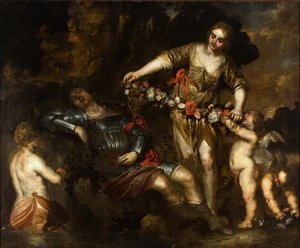
Antonio Maria Vassallo
1620 - 1664 , Italy
Quick Facts
- Artistic Movement Or Style: Baroque
- Artists Or Movements Influenced By This Artist: ['Giovanni Agostino Cassana']
- Artists Who Influenced This Artist:
- Vincent Malò
- Sinibaldo Scorza
- Giovanni Benedetto Castiglione
- Date Of Birth: Genoa, Italy (c. 1620)
- Date Of Death: Milan, Italy (1664/1673)
- Full Name: Antonio Maria Vassallo
- Nationality: Italian
- Notable Artworks:
- The Flagellation of Christ
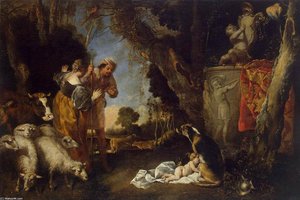
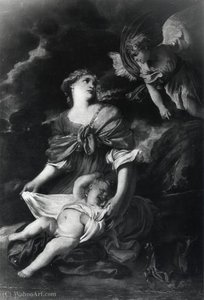
- Angel Appearing to Hagar
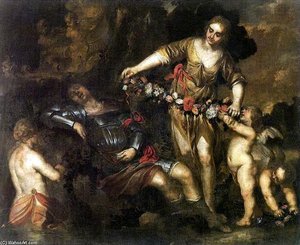
- Rinald And Armida
- Place Of Birth: Genoa
Related Articles

The Dramatic Flourish: Exploring the Baroque Movement's Enduring Legacy in Art History
Explore the dramatic world of Baroque art! Discover iconic artists like Caravaggio & Rubens, defining techniques, and its lasting impact on art history. Expert insights for collectors & enthusiasts at ArtsDot.

The Visceral Stage: Exploring Dramatic Narratives & Emotional Intensity in Baroque Art
Explore the dramatic world of Baroque art! Discover iconic masters like Caravaggio & Rembrandt, their techniques, and the movement's lasting impact. Expert insights for collectors & enthusiasts at ArtsDot.

Baroque Masterpieces: 10 Paintings That Defined an Era |
Journey through the drama & grandeur of Baroque art! Explore 10 masterpieces by Caravaggio, Rembrandt, Rubens & more. Discover stunning oil paintings, rich colors & timeless stories. Find museum-quality reproductions at .

Baroque Drama: Bringing Opulence & Emotion into Contemporary Interiors
Explore the opulent world of Baroque interior design! Discover key elements, modern applications & how to bring dramatic elegance into your home with 's authentic reproductions.
The Golden Age Reforged: Dramatic Realism & Religious Zeal in Spanish Baroque Art
Explore the dramatic world of Spanish Baroque art! Discover masters like Zurbarán & the powerful influence of religious zeal on painting techniques – a guide for collectors and enthusiasts.