 Preview
 Send
Send Share
Share
 Details

 Download
 Similars
 X-Ray
X-Ray Diaporama
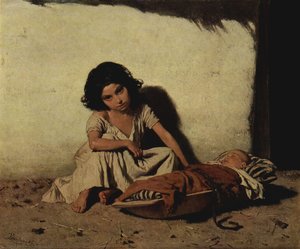
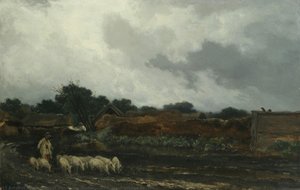
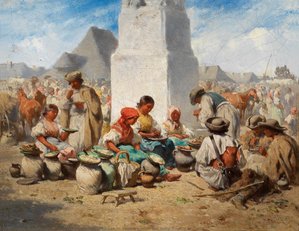
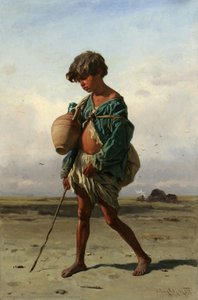
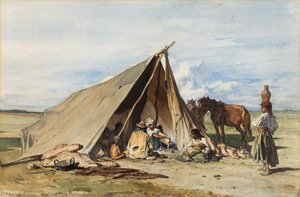
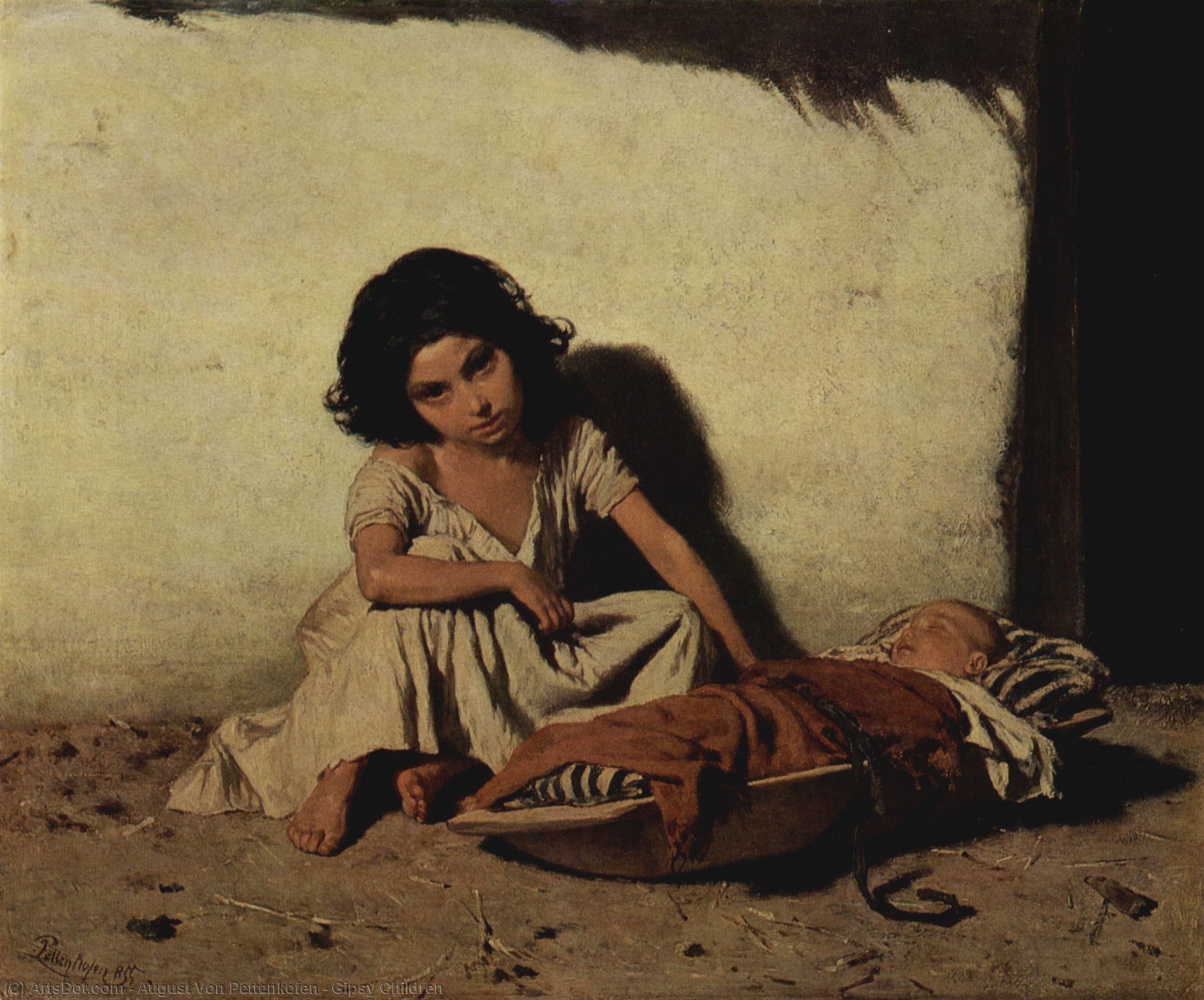
Gipsy Children
 Acrylic On Canvas
- WallArt
- Impressionism
 1855
1855 22.0 x 27.0 cm
 Hermitage Museum
 Read More
Giclée / Art Print
Museum-quality giclée or canvas print with fast production and flexible finish options. ( Buy Hand Made Painting Buy Image)




P118B $10

P118H $10

P118W $10

P438Z $10

P508JH $12

P508YH $12

P805H $10

P805Z $10

P919BZ $10

P919G $10

P919XJ $10

P959ZH $10

P968JZ $12

W106C $8

W218G $10

W218JH $8

W218Y $10

W307PJ $10

W316G $10

W316PJ $8

W316Y $10

W398PJ $8

W4111J $10

W500HY $15

W500JH $15

W692G $12

W849H $8

W940BG $15

W953PJ $8




Pick from our preset sizes that match the artwork's original proportions.

You may enter your own dimensions to fit a specific frame or space. If your selected size does not match the original image's proportions, we will either crop the artwork or extend the image with a mirrored or solid-fill edge. A digital mockup will be sent for your approval before production begins.
Please note that the on-screen preview does not reflect the actual cropping or extension. Only the mockup will accurately show the final composition.
While custom sizes are available, we recommend selecting a dimension from the predefined list to preserve the original proportions.
Worldwide Delivery () in 2 weeks instead of standard 4/5 weeks. (26 August)

Free Worldwide Express Shipping

High-Quality Linen Canvas

Full Shipping Insurance

Customs Tax Refund Guarantee

True Color Matching Guarantee

60-Day Return Policy (Defects Only)

100% Money-Back Guarantee

Bulk Discount Offer
 Glass option is only available in size under 110 CM

Gipsy Children
Giclée / Art Print
Reproduction Size
-


Total Price
$ 63
Collectible Description
Rosa Bonheur: A Pioneer of Animal Painting
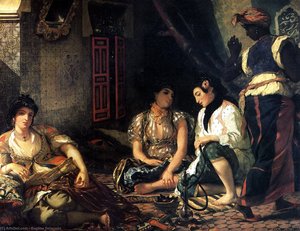
Rosa Bonheur (1822 – 1889) stands as an unparalleled figure in the annals of art history—a woman who transcended societal constraints and irrevocably altered perceptions of what constituted artistic achievement. Her life’s trajectory embodies unwavering dedication, groundbreaking innovation, and a profound communion with the natural world, specifically its vibrant animal kingdom. From humble beginnings assisting her father, a modest landscape painter, Bonheur ascended to become arguably the most celebrated animal artist of the 19th century, leaving behind an enduring legacy of luminous canvases that continue to resonate powerfully with audiences worldwide. Bonheur’s formative years were deeply rooted in artistic immersion. Her father, Oscar-Raymond Bonheur, nurtured her innate talent from infancy, imparting instruction and fostering her fervent passion for visual representation. This familial encouragement proved instrumental, particularly considering the prevailing prejudices against women pursuing creative endeavors during that era—a resistance she bravely confronted throughout her life. Her artistic journey commenced with a focus on genre paintings in the Biedermeier style, characterized by their intimate depictions of everyday life and domestic scenes. However, Bonheur swiftly recognized the transformative potential of capturing animal subjects with unprecedented realism and emotional depth. This pivotal decision propelled her toward pioneering new approaches to painting—methods that would revolutionize the artistic landscape and solidify her reputation as a visionary artist. Bonheur’s technique was remarkably meticulous; she painstakingly studied anatomy and musculature, utilizing charcoal sketches and anatomical models to achieve unparalleled accuracy in portraying animal forms. Her canvases pulsated with life, infused with palpable energy and conveying an astonishing level of detail—from the subtle textures of fur to the minute expressions on animals' faces. This dedication to realism wasn’t merely a stylistic choice; it stemmed from Bonheur’s unwavering belief that art should strive to faithfully reflect the beauty and complexity of the natural world. The painting "Gipsy Children" exemplifies Bonheur’s distinctive style—a masterful blend of Impressionistic influences and meticulous observation. Executed in 1855, this artwork portrays two young girls seated together outdoors, bathed in dappled sunlight. The artist skillfully captures the girls' postures and gazes, conveying a sense of quiet contemplation and youthful innocence. The inclusion of objects like a bowl and bottle adds depth to the composition, suggesting an idyllic domestic setting. Bonheur’s masterful use of color—particularly warm hues—creates an atmosphere of warmth and serenity, mirroring the tenderness of familial bonds. Furthermore, “Gipsy Children” carries symbolic resonance beyond its aesthetic qualities. The depiction of children symbolizes purity, hope, and the promise of future generations – themes frequently explored by Bonheur in her oeuvre. Her unwavering commitment to portraying animals with compassion and respect speaks volumes about her humanist values and underscores her conviction that art possesses the power to inspire awe and foster appreciation for the wonders of nature. Rosa Bonheur’s legacy extends far beyond her artistic accomplishments; she bravely challenged societal norms, advocating for women's rights and pursuing a life devoted to her passion—a courageous stance that paved the way for future generations of female artists. Her enduring influence continues to inspire creativity and celebrates the transformative potential of art as a conduit for empathy and understanding.- Artist: Rosa Bonheur
- Born Year: 1822
- Death Year: 1889
- Birth City: Vienna
- Birth Country: Austria
Additional Research:
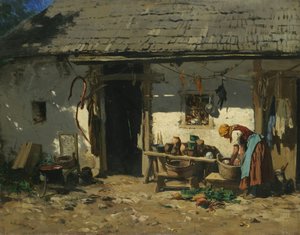
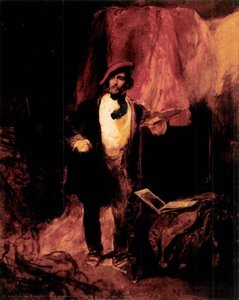
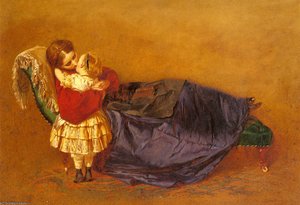
Consider exploring related artworks like “Mother and Children” by Carolus Duran, a stunning portrait in the Velázquez style that captures familial intimacy. Also delve into "English Carl August, Duke of Saxe Weimar and Eisenach Deutsch Carl August, Herzog von Sachsen Weimar und Eisenach, in der Uniform der Ascherslebener Kürassiere" for insights into artistic trends during Bonheur’s era.Related Artworks
Artist Biography
Rosa Bonheur: A Pioneer of Animal Painting
Rosa Bonheur, born Marie-Rosalie Bonheur in Bordeaux in 1822, stands as a monumental figure in the history of art – a woman who not only achieved remarkable success as an artist but also challenged societal expectations and redefined what was considered acceptable for female creatives. Her life story is one of relentless dedication, artistic innovation, and a profound connection to the natural world, particularly its animal inhabitants. From humble beginnings assisting her father, a minor landscape painter, Bonheur’s journey led her to become arguably the most celebrated animal painter of the 19th century, leaving behind a legacy of vibrant, dynamic works that continue to captivate audiences today. Bonheur's early life was deeply intertwined with art. Her father, Oscar-Raymond Bonheur, fostered her artistic talents from a young age, providing instruction and encouraging her passion. This familial support was crucial, especially considering the limited opportunities available to women pursuing careers in the arts during that era. Her siblings, Auguste and Juliette, also followed artistic paths, further solidifying their family’s commitment to creative expression. The Bonheur household wasn't simply a home; it was a workshop, a training ground, and a source of mutual inspiration. This environment instilled in Rosa a deep understanding of artistic techniques and a lifelong appreciation for the beauty and complexity of animal forms. Crucially, her upbringing within a Saint-Simonian family – a Christian socialist movement advocating education for women – provided her with an unusual degree of intellectual freedom and encouraged her to pursue her ambitions without societal constraints.The Rise of an Animalière
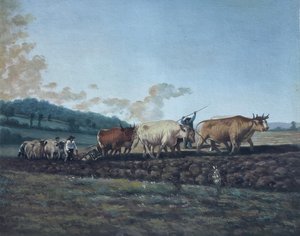
Bonheur’s artistic development was marked by a deliberate focus on animal subjects, a choice that defied the prevailing trends of the time. While male artists often depicted heroic figures or mythological scenes, Bonheur chose to capture the essence of animals in motion – their power, grace, and raw vitality. Her breakthrough came with *Ploughing in the Nivernais* (1848-1850), a monumental painting exhibited at the Salon of 1848. This work, depicting a team of oxen working a field, immediately garnered critical acclaim and established Bonheur’s reputation as a master of animal realism. The painting's dynamic composition, capturing the energy and movement of the animals, was revolutionary for its time. It wasn’t merely a representation of livestock; it was an embodiment of rural life and the symbiotic relationship between humans and nature. Following *Ploughing in the Nivernais*, Bonheur continued to produce a prolific body of work, including *The Horse Fair* (1853-1855), another monumental painting that cemented her fame. This vibrant scene captures the bustling atmosphere of a horse market, showcasing the animals’ personalities and the energy of the trade. *The Horse Fair*, now housed in the Metropolitan Museum of Art in New York City, remains one of the most recognizable works of animal art ever created. Bonheur's meticulous attention to detail – from the texture of the horses’ coats to the expressions on their faces – is astonishing. She spent countless hours observing animals firsthand, studying their anatomy and behavior, ensuring that her paintings were not just aesthetically pleasing but also scientifically accurate.Technique and Style
Bonheur's artistic style was characterized by a remarkable blend of realism and dynamism. She employed a technique known as *contre-jour*, or “against the light,” to create a sense of depth and volume, emphasizing the three-dimensionality of her subjects. Her brushwork was loose and expressive, conveying movement and energy with visible strokes. Unlike many artists who sought to idealize their subjects, Bonheur depicted animals in all their natural beauty – including imperfections and vulnerabilities. She wasn’t afraid to show the dirt on a horse's coat or the wrinkles of an old cow, believing that these details added authenticity and emotional resonance to her work. Her sculptures, similarly, were imbued with a remarkable sense of life and movement, capturing the essence of their animal subjects with astonishing accuracy.A Life Beyond the Canvas
Rosa Bonheur’s personal life was as unconventional as her artistic career. She openly defied societal norms by living with her partner, Nathalie Micas, for over 40 years, a relationship that was rarely acknowledged publicly at the time. Later in life, she found companionship with American painter Anna Elizabeth Klumpke. While speculation about Bonheur’s sexuality has persisted for decades, definitive proof remains elusive. Despite these personal complexities, Bonheur remained fiercely independent and dedicated to her art. She established a large studio in the forest of Fontainebleau, where she worked alongside numerous assistants, overseeing the production of her paintings and sculptures. Her dedication to her craft was unwavering, and she continued to create works until shortly before her death in 1899.Legacy and Significance
Rosa Bonheur’s impact on art history is profound. She broke down barriers for women artists, demonstrating that they could achieve greatness in a field traditionally dominated by men. Her realistic depictions of animals revolutionized the genre, elevating it to a level of artistic sophistication previously unheard of. Bonheur's work continues to inspire artists and viewers alike, reminding us of the beauty and wonder of the natural world. She remains a testament to the power of passion, perseverance, and artistic vision—a true pioneer who left an indelible mark on the art world and beyond.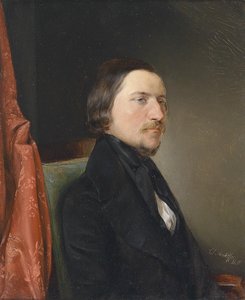
august von pettenkofen
1822 - 1889 , Austria
Quick Facts
- Artistic Movement Or Style: Animalière painting & sculpture
- Artists Or Movements Influenced By This Artist: ['Neoclassical']
- Artists Who Influenced This Artist: ['Oscar-Raymond Bonheur']
- Date Of Birth: 16 March 1822
- Date Of Death: 25 May 1899
- Full Name: Rosa Bonheur
- Nationality: French
- Notable Artworks:
- Ploughing in Nivernais
- The Horse Fair
- Place Of Birth: Bordeaux, France
Related Articles
Animalia: Exploring the Enduring Presence of Animals in Art & Interior Design
Explore the rich history of animal symbolism in art, from ancient mythology to modern masterpieces. Discover how animals have inspired artists for centuries and learn how to incorporate these powerful motifs into your home décor.
Rosa Bonheur: Realism, Rural Life & Redefining Women's Roles in 19th-Century Art
Explore the life & art of Rosa Bonheur, a pioneering Realist painter who redefined women's roles in 19th-century France. Discover her iconic animal paintings and lasting influence on art history. Learn more at ArtsDot.
James Sant: Capturing Victorian Childhood & the Evolving Landscape of British Genre Painting
Explore the life & art of James Sant (1820-1916), renowned Victorian portraitist to Queen Victoria. Discover his captivating depictions of childhood, landscapes, and aristocratic society. Learn about his legacy & find fine art reproductions.
Beastly Brushstrokes: A Historical Journey Through Animal Painting & Aesthetic Movements
Explore the rich history of animal painting across cultures & movements. Discover iconic artists, symbolism, collecting trends & expert art consultation at ArtsDot.com.
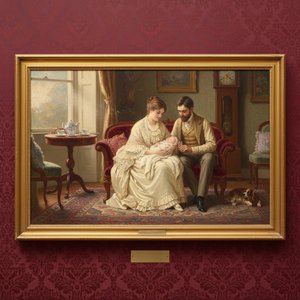
George Goodwin Kilburne: Capturing Victorian Sentimentality Through Genre Painting
Explore the evocative Victorian paintings of George Goodwin Kilburne. Discover his detailed scenes of domestic life, masterful use of light, and lasting impact on British genre painting. Learn more at ArtsDot.