 Preview
 Send
Send Share
Share
 Details

 Download
 Similars
 X-Ray
X-Ray Diaporama
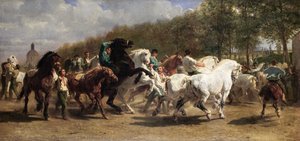
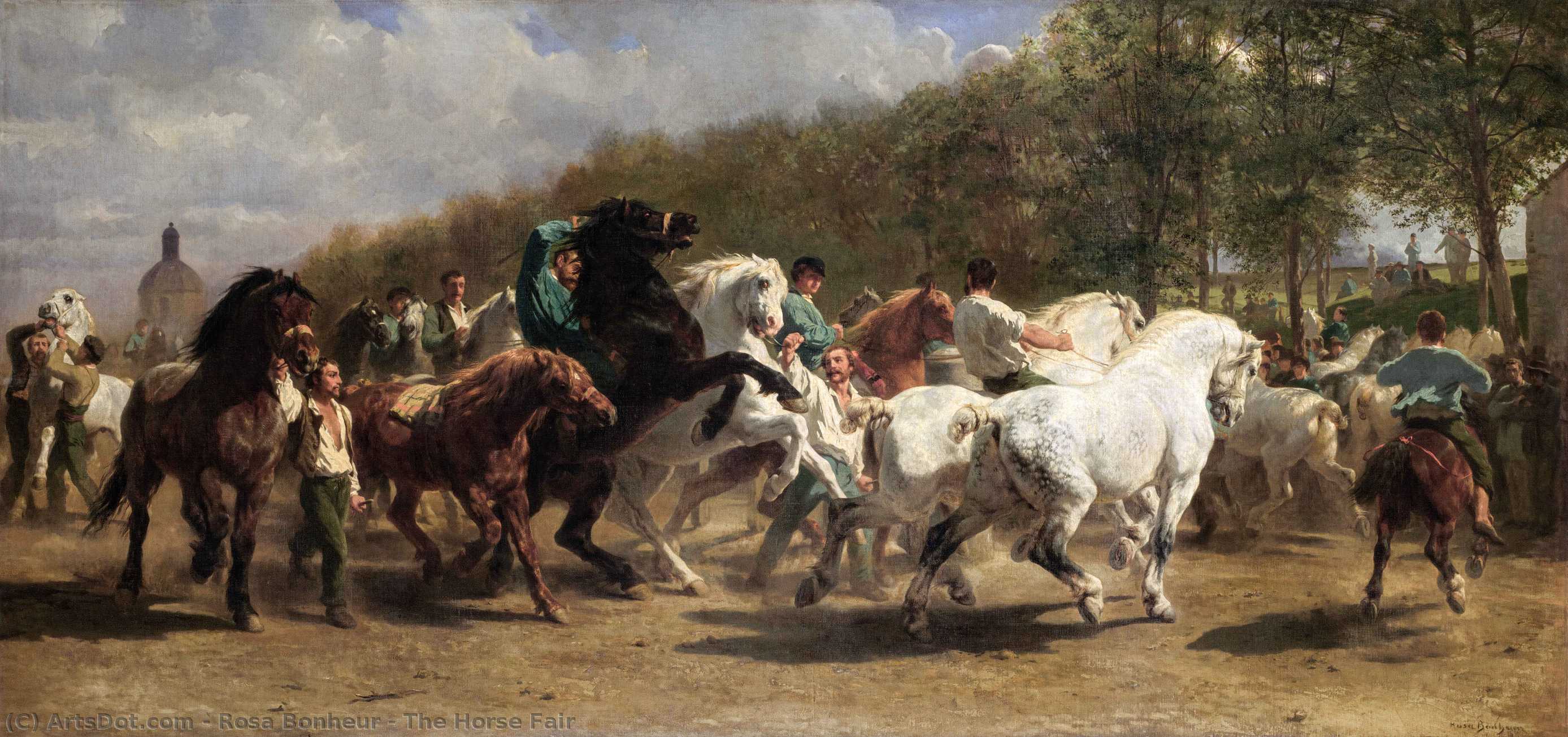
The Horse Fair


 Read More
Hand Made Oil Reproduction
Hand-painted oil on canvas in your size and frame, made to order by our artists. ( Buy Print Buy Image)




P118B $10

P118H $10

P118W $10

P438Z $10

P508JH $12

P508YH $12

P805H $10

P805Z $10

P919BZ $10

P919G $10

P919XJ $10

P959ZH $10

P968JZ $12

W106C $8

W218G $10

W218JH $8

W218Y $10

W307PJ $10

W316G $10

W316PJ $8

W316Y $10

W398PJ $8

W4111J $10

W500HY $15

W500JH $15

W692G $12

W849H $8

W940BG $15

W953PJ $8




Pick from our preset sizes that match the artwork's original proportions.

You may enter your own dimensions to fit a specific frame or space. If your selected size does not match the original image's proportions, we will either crop the artwork or extend the painting with additional hand-painted elements. A digital mockup will be sent for your approval before production begins.
Please note that the on-screen preview does not reflect the actual cropping or extension. Only the mockup will accurately show the final composition.
While custom sizes are available, we recommend selecting a dimension from the predefined list to preserve the original proportions.
After order, ArtsDot.com team will email client for instructions and provide a mockup preview
Worldwide Delivery () in 3/4 weeks instead of standard 5 weeks. (17 August). No compromise on quality.

Free Worldwide Express Shipping

High-Quality Linen Canvas

Full Shipping Insurance

Customs Tax Refund Guarantee

True Color Matching Guarantee

60-Day Return Policy (Defects Only)

100% Money-Back Guarantee

Bulk Discount Offer
 Glass option is only available in size under 110 CM

The Horse Fair
Reproduction Medium
Reproduction Size
-


Total Price
$ 263
Artwork Description
Rosa Bonheur’s “The Horse Fair”: A Symphony of Movement and Realism
Rosa Bonheur's "The Horse Fair," painted in 1853 and now residing within the hallowed halls of the Metropolitan Museum of Art, isn’t merely a depiction of a bustling marketplace; it’s a vibrant tableau vivant – a living snapshot of 19th-century Parisian life. More than just an animal painting, Bonheur's masterpiece is a profound exploration of human interaction with nature, rendered with an astonishing level of detail and imbued with a palpable sense of energy. The scene unfolds before us as a controlled chaos, a carefully orchestrated dance between the powerful animals and the diverse individuals who surround them, all bathed in the warm light of a late afternoon sun.
- A Moment Frozen in Time: Bonheur meticulously captured the atmosphere of the horse market on the Boulevard de l’Hôpital, a location she frequented for over a year, sketching and studying the animals and their handlers with unwavering dedication. This intimate observation is evident in every brushstroke, from the subtle variations in coat color to the nuanced expressions of the horses themselves.
- Realism Elevated: Bonheur was a pioneer in animal painting, rejecting the romanticized depictions favored by many of her contemporaries. Instead, she embraced a rigorous approach to anatomical accuracy and observational detail, studying animal musculature and movement with scientific precision. This commitment to realism is particularly striking in the portrayal of the horses – their powerful bodies, tense muscles, and alert eyes convey an incredible sense of vitality.
The Composition: A Dynamic Balance
The painting’s composition is a masterclass in creating visual interest and conveying movement. Bonheur skillfully employs a pyramidal structure, with the central group of horses forming the apex and radiating outwards to encompass the surrounding figures. The arrangement isn't static; it feels inherently dynamic, as if the scene is about to erupt into even greater activity. Notice how she uses overlapping forms and varying scales to create depth – the smaller figures in the foreground recede slightly, while those further back appear larger and more distant. The placement of the horses themselves—some standing still, others moving with purpose—adds another layer of complexity to the composition, suggesting a constant flow of interaction.
- Human Figures as Part of the Scene: Bonheur doesn’t treat the human figures as mere background elements. Each individual – from the shrewd horse dealers to the curious onlookers – is rendered with careful attention to detail, contributing to the overall sense of a thriving community.
- The Hospital in the Background: The presence of the Salpêtrière hospital in the left corner provides a subtle contrast between the vibrant energy of the market and the more somber atmosphere of the institution, hinting at the social realities of 19th-century Paris.
Technique and Artistic Style
Bonheur’s masterful use of oil paint is central to the painting's impact. She employs a rich, textured impasto technique, building up layers of pigment to create a sense of physicality and depth. The colors are vibrant yet grounded in earthy tones – browns, ochres, and reds—reflecting the natural environment of the horse market. Her brushwork is loose and expressive, capturing the movement and energy of the scene with remarkable fluidity. It’s important to note that Bonheur was a self-taught artist who largely worked independently, defying the conventions of the male-dominated art world of her time. Her success as a leading animal painter challenged societal expectations and paved the way for future generations of female artists.
Symbolism and Emotional Resonance
"The Horse Fair" is more than just a realistic depiction of a market scene; it’s an exploration of human connection with animals, a celebration of rural life, and a testament to the power of observation. The painting evokes a sense of nostalgia for a bygone era, transporting us back to a time when horses played a vital role in everyday life. The energy and vitality of the scene are infectious, inviting the viewer to step into the bustling marketplace and experience the sights, sounds, and smells firsthand. It’s a powerful reminder of our enduring relationship with the animal world and the importance of preserving its beauty and dignity.
Related Artworks
Artist Biography
A Life Immersed in the Animal World
Rosa Bonheur, born Marie-Rosalie Bonheur in 1822 Bordeaux, France, wasn’t simply a painter of animals; she was an interpreter of their very essence. Her name resonates through art history as a beacon of realism and a testament to female artistic ambition in a period dominated by male figures. Born into a family steeped in artistic tradition – her father, Oscar-Raymond Bonheur, was a landscape and portrait painter – young Rosalie’s path wasn't predetermined but nurtured. The family’s embrace of Saint-Simonianism, a progressive socialist philosophy advocating for equal education for both sexes, proved particularly formative, instilling in Rosa a sense of independence and intellectual curiosity that would define her life and work. Tragedy struck early with the loss of her mother at age eleven, yet the Bonheur household remained a haven for creativity and unconventional thinking. This unique upbringing laid the foundation for an artist who would challenge societal norms as boldly as she captured the raw beauty of the natural world.From Humble Beginnings to Salon Success
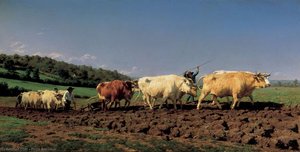
The family’s relocation to Paris in 1828 marked a turning point, providing Rosa with access to formal artistic training. Initially, her studies followed conventional lines – copying from drawings and sketching plaster models. However, it was the animals surrounding Paris that truly captured her imagination. Horses, cattle, sheep, goats—she observed them relentlessly, not merely as subjects for art but as living beings deserving of meticulous study. This dedication to direct observation became the cornerstone of her artistic style. Her father actively encouraged this passion, even bringing live animals into their studio for Rosa to dissect and analyze. This hands-on approach, combined with visits to Parisian abattoirs to understand animal anatomy, set her apart from many contemporaries who relied on second-hand depictions. Her breakthrough arrived in 1849 with Ploughing in the Nivernais, a work that garnered immediate attention at the Paris Salon and signaled the arrival of a significant new talent. But it was The Horse Fair, completed between 1853 and 1855, that cemented her international fame. This monumental canvas, now housed in New York’s Metropolitan Museum of Art, pulsates with energy and anatomical precision, depicting the chaotic yet captivating spectacle of a bustling horse market. Even Queen Victoria herself was captivated by its power and realism.A Style Rooted in Realism and Observation
Rosa Bonheur's artistic style wasn’t about romanticizing animals; it was about portraying them with unwavering honesty and detail. She eschewed sentimentality, opting instead for a scientific approach to her subjects. Her paintings are characterized by their anatomical accuracy, dynamic compositions, and an ability to capture the unique personality of each creature. This commitment to realism extended beyond mere physical representation. Bonheur sought to understand the animals’ movements, behaviors, and even their emotional states. She often worked *en plein air*, directly observing her subjects in their natural environments, a practice that further enhanced the authenticity of her work. This dedication to truthfulness resonated with the growing Realist movement of the mid-19th century, which rejected idealized depictions in favor of portraying life as it truly was. Her technique involved careful layering of paint and a masterful use of light and shadow to create depth and texture, bringing each animal vividly to life on canvas.A Pioneer for Women in Art
Rosa Bonheur’s legacy extends far beyond her artistic achievements; she became an icon for women striving for recognition in the male-dominated art world. She defied convention not only through her professional success but also through her personal choices. Famously, she often wore men's clothing while working with animals, citing practicality and freedom of movement – a bold statement that challenged societal expectations. She secured commissions from governments and private collectors alike, proving that female artists could achieve the same level of acclaim as their male counterparts. Her success paved the way for future generations of women artists, inspiring them to pursue their passions without compromise. Bonheur’s life and work became symbols of artistic talent, perseverance, and a pioneering spirit. Her paintings continue to be celebrated in major museums worldwide, serving as a reminder of her enduring contribution to art history and her unwavering commitment to portraying the beauty and dignity of the animal kingdom.Enduring Influence and Lasting Legacy
The impact of Rosa Bonheur’s work continues to resonate today. Her dedication to realism influenced countless artists, and her paintings remain admired for their technical skill and emotional depth. She demonstrated that art could be both scientifically accurate and profoundly moving, bridging the gap between observation and interpretation. Beyond her artistic contributions, Bonheur's life story serves as a powerful example of female empowerment and artistic independence. She challenged societal norms, defied expectations, and ultimately achieved lasting recognition on her own terms. Her legacy is not merely one of beautiful paintings but also of courage, determination, and a unwavering commitment to her craft. Her work continues to inspire artists and art lovers alike, reminding us of the power of observation, the beauty of the natural world, and the importance of pursuing one’s passions with conviction.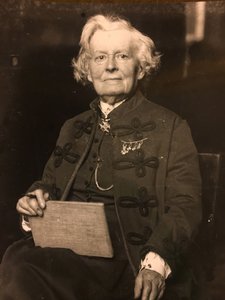
Rosa Bonheur
1822 - 1899 , France
Quick Facts
- Artistic Movement Or Style: Realism, Animalière
- Artists Who Influenced This Artist:
- Nicolas Poussin
- Peter Paul Rubens
- Date Of Birth: March 16, 1822
- Date Of Death: May 25, 1899
- Full Name: Marie-Rosalie Bonheur
- Nationality: French
- Notable Artworks:
- Ploughing in the Nivernais
- The Horse Fair
- Place Of Birth: Bordeaux, France
Related Articles
Rosa Bonheur: Realism, Rural Life & Redefining Women's Roles in 19th-Century Art
Explore the life & art of Rosa Bonheur, a pioneering Realist painter who redefined women's roles in 19th-century France. Discover her iconic animal paintings and lasting influence on art history. Learn more at ArtsDot.
Animalia: Exploring the Enduring Presence of Animals in Art & Interior Design
Explore the rich history of animal symbolism in art, from ancient mythology to modern masterpieces. Discover how animals have inspired artists for centuries and learn how to incorporate these powerful motifs into your home décor.
The Noble Steed on Canvas: A Historical & Artistic Exploration of Horse Painting Across Cultures
Explore the rich history of horse painting! Discover masterpieces from Stubbs to Munnings & learn about symbolism, techniques & artists. Find museum-quality reproductions at ArtsDot.
The Noble Steed: A Historical and Artistic Exploration of Horses in Fine Art
Explore the rich history of horses in fine art! From ancient depictions to Renaissance masterpieces & beyond, discover iconic artworks and artists. Learn about symbolism, techniques, and find museum-quality reproductions at ArtsDot.
Romantic Realism's Finest: 10 Masterpieces for Your Home | ArtsDot
Explore 10 defining masterpieces of Romantic Realism! Discover Courbet, Millet & Daumier's powerful paintings—capturing emotion and social realities. Find museum-quality reproductions for your home at ArtsDot.com.