 Preview
 Send
Send Share
Share
 Details

 Download
 Similars
 X-Ray
X-Ray Diaporama
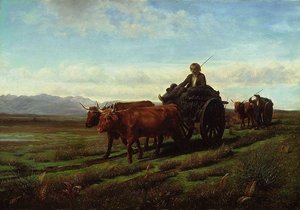
Going to Market


 Read More
Hand Made Oil Reproduction
Hand-painted oil on canvas in your size and frame, made to order by our artists. ( Buy Print Buy Image)




P118B $10

P118H $10

P118W $10

P438Z $10

P508JH $12

P508YH $12

P805H $10

P805Z $10

P919BZ $10

P919G $10

P919XJ $10

P959ZH $10

P968JZ $12

W106C $8

W218G $10

W218JH $8

W218Y $10

W307PJ $10

W316G $10

W316PJ $8

W316Y $10

W398PJ $8

W4111J $10

W500HY $15

W500JH $15

W692G $12

W849H $8

W940BG $15

W953PJ $8




Pick from our preset sizes that match the artwork's original proportions.

You may enter your own dimensions to fit a specific frame or space. If your selected size does not match the original image's proportions, we will either crop the artwork or extend the painting with additional hand-painted elements. A digital mockup will be sent for your approval before production begins.
Please note that the on-screen preview does not reflect the actual cropping or extension. Only the mockup will accurately show the final composition.
While custom sizes are available, we recommend selecting a dimension from the predefined list to preserve the original proportions.
After order, ArtsDot.com team will email client for instructions and provide a mockup preview
Worldwide Delivery () in 3/4 weeks instead of standard 5 weeks. (16 August). No compromise on quality.

Free Worldwide Express Shipping

High-Quality Linen Canvas

Full Shipping Insurance

Customs Tax Refund Guarantee

True Color Matching Guarantee

60-Day Return Policy (Defects Only)

100% Money-Back Guarantee

Bulk Discount Offer
 Glass option is only available in size under 110 CM

Going to Market
Reproduction Medium
Reproduction Size
-


Total Price
$ 263
Artwork Description
Rosa Bonheur’s “Going to Market”: A Symphony of Rural Life
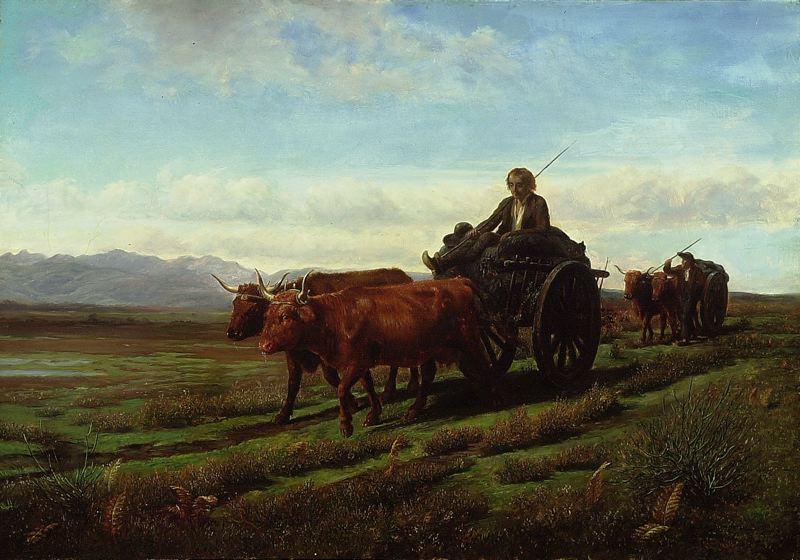
Rosa Bonheur's "Going to Market," painted in 1851, is more than just a depiction of a rural scene; it’s a vibrant tableau capturing the essence of everyday life in 19th-century France. The painting immediately draws the eye with its dynamic composition – a team of oxen, powerfully pulling a laden wagon, navigates a landscape dotted with grazing cows and figures heading towards a distant market. Bonheur masterfully blends realism with a subtle romanticism, creating an image that is both grounded in observation and imbued with a sense of harmony between humanity and nature.
Bonheur’s artistic journey was uniquely shaped by her upbringing within a family deeply rooted in the arts and progressive ideals. Born into a family of artists – her father, Oscar-Raymond Bonheur, was himself a landscape painter – she benefited from an unconventional education that emphasized both artistic skill and intellectual curiosity. Her Saint-Simonian parents fostered a spirit of independence and equality, which undoubtedly informed her approach to portraying subjects often overlooked in art at the time: working animals and rural laborers. This commitment to depicting the lives of ordinary people, particularly those engaged in manual labor, was remarkably forward-thinking for its era.
A Masterclass in Realist Technique
The painting’s power lies not only in its subject matter but also in Bonheur's exceptional technical skill. She meticulously rendered each element – the muscular contours of the oxen, the weathered faces of the farmers, the dappled sunlight filtering through the trees – with a remarkable level of detail and accuracy. Her use of color is particularly noteworthy; she employs a muted palette of browns, greens, and ochres to create a sense of atmospheric depth and realism. The brushstrokes are visible yet controlled, contributing to the painting’s textured surface and conveying a feeling of immediacy.
Bonheur's training as an animalier – a painter specializing in animals – is evident throughout the work. She possessed an intimate understanding of animal anatomy and behavior, which she translated onto canvas with astonishing precision. The oxen are not simply depicted as beasts of burden; they are portrayed with a sense of dignity and strength, their movements captured with remarkable fluidity. The artist’s dedication to studying animals firsthand, often observing them at markets and fairs, is palpable in the painting's authenticity.
Symbolism and Emotional Resonance
Beyond its technical brilliance, “Going to Market” carries a wealth of symbolic meaning. The scene represents not just a simple journey to market but also a celebration of rural life, hard work, and community. The figures traveling in the wagon are depicted as enjoying their journey, suggesting a sense of contentment and shared experience. The presence of the cows further reinforces this theme of harmony between humans and animals.
Furthermore, the painting can be interpreted as a commentary on social class. While the farmers represent the working class, they are not portrayed as impoverished or downtrodden. Instead, they are depicted with dignity and purpose, suggesting a recognition of their value to society. The distant market symbolizes opportunity and progress, while the rural landscape represents stability and tradition. Bonheur’s work subtly challenges conventional artistic hierarchies by elevating the lives and experiences of those outside the elite circles.
A Timeless Image for Reproduction
ArtsDot is proud to offer a meticulously hand-painted reproduction of Rosa Bonheur's “Going to Market.” This faithful recreation captures the painting’s original beauty, detail, and emotional resonance. Whether you are an art enthusiast, a collector seeking to expand your collection, or simply someone looking for a stunning piece of artwork to adorn your home or office, this reproduction provides a beautiful way to experience the enduring legacy of one of France's most celebrated artists. The quality of our hand-painted reproductions ensures that you receive a truly exceptional work of art – a testament to Bonheur’s genius and a timeless celebration of rural life.
Related Artworks
Artist Biography
A Life Immersed in the Animal World
Rosa Bonheur, born Marie-Rosalie Bonheur in 1822 Bordeaux, France, wasn’t simply a painter of animals; she was an interpreter of their very essence. Her name resonates through art history as a beacon of realism and a testament to female artistic ambition in a period dominated by male figures. Born into a family steeped in artistic tradition – her father, Oscar-Raymond Bonheur, was a landscape and portrait painter – young Rosalie’s path wasn't predetermined but nurtured. The family’s embrace of Saint-Simonianism, a progressive socialist philosophy advocating for equal education for both sexes, proved particularly formative, instilling in Rosa a sense of independence and intellectual curiosity that would define her life and work. Tragedy struck early with the loss of her mother at age eleven, yet the Bonheur household remained a haven for creativity and unconventional thinking. This unique upbringing laid the foundation for an artist who would challenge societal norms as boldly as she captured the raw beauty of the natural world.From Humble Beginnings to Salon Success
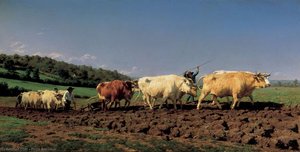
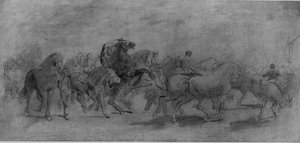
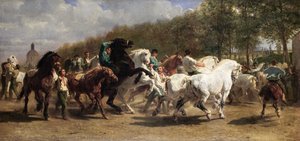
The family’s relocation to Paris in 1828 marked a turning point, providing Rosa with access to formal artistic training. Initially, her studies followed conventional lines – copying from drawings and sketching plaster models. However, it was the animals surrounding Paris that truly captured her imagination. Horses, cattle, sheep, goats—she observed them relentlessly, not merely as subjects for art but as living beings deserving of meticulous study. This dedication to direct observation became the cornerstone of her artistic style. Her father actively encouraged this passion, even bringing live animals into their studio for Rosa to dissect and analyze. This hands-on approach, combined with visits to Parisian abattoirs to understand animal anatomy, set her apart from many contemporaries who relied on second-hand depictions. Her breakthrough arrived in 1849 with Ploughing in the Nivernais, a work that garnered immediate attention at the Paris Salon and signaled the arrival of a significant new talent. But it was The Horse Fair, completed between 1853 and 1855, that cemented her international fame. This monumental canvas, now housed in New York’s Metropolitan Museum of Art, pulsates with energy and anatomical precision, depicting the chaotic yet captivating spectacle of a bustling horse market. Even Queen Victoria herself was captivated by its power and realism.A Style Rooted in Realism and Observation
Rosa Bonheur's artistic style wasn’t about romanticizing animals; it was about portraying them with unwavering honesty and detail. She eschewed sentimentality, opting instead for a scientific approach to her subjects. Her paintings are characterized by their anatomical accuracy, dynamic compositions, and an ability to capture the unique personality of each creature. This commitment to realism extended beyond mere physical representation. Bonheur sought to understand the animals’ movements, behaviors, and even their emotional states. She often worked *en plein air*, directly observing her subjects in their natural environments, a practice that further enhanced the authenticity of her work. This dedication to truthfulness resonated with the growing Realist movement of the mid-19th century, which rejected idealized depictions in favor of portraying life as it truly was. Her technique involved careful layering of paint and a masterful use of light and shadow to create depth and texture, bringing each animal vividly to life on canvas.A Pioneer for Women in Art
Rosa Bonheur’s legacy extends far beyond her artistic achievements; she became an icon for women striving for recognition in the male-dominated art world. She defied convention not only through her professional success but also through her personal choices. Famously, she often wore men's clothing while working with animals, citing practicality and freedom of movement – a bold statement that challenged societal expectations. She secured commissions from governments and private collectors alike, proving that female artists could achieve the same level of acclaim as their male counterparts. Her success paved the way for future generations of women artists, inspiring them to pursue their passions without compromise. Bonheur’s life and work became symbols of artistic talent, perseverance, and a pioneering spirit. Her paintings continue to be celebrated in major museums worldwide, serving as a reminder of her enduring contribution to art history and her unwavering commitment to portraying the beauty and dignity of the animal kingdom.Enduring Influence and Lasting Legacy
The impact of Rosa Bonheur’s work continues to resonate today. Her dedication to realism influenced countless artists, and her paintings remain admired for their technical skill and emotional depth. She demonstrated that art could be both scientifically accurate and profoundly moving, bridging the gap between observation and interpretation. Beyond her artistic contributions, Bonheur's life story serves as a powerful example of female empowerment and artistic independence. She challenged societal norms, defied expectations, and ultimately achieved lasting recognition on her own terms. Her legacy is not merely one of beautiful paintings but also of courage, determination, and a unwavering commitment to her craft. Her work continues to inspire artists and art lovers alike, reminding us of the power of observation, the beauty of the natural world, and the importance of pursuing one’s passions with conviction.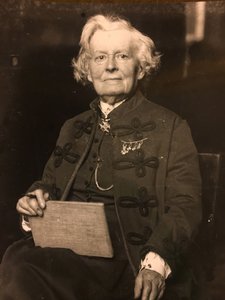
Rosa Bonheur
1822 - 1899 , France
Quick Facts
- Artistic Movement Or Style: Realism, Animalière
- Artists Who Influenced This Artist:
- Nicolas Poussin
- Peter Paul Rubens
- Date Of Birth: March 16, 1822
- Date Of Death: May 25, 1899
- Full Name: Marie-Rosalie Bonheur
- Nationality: French
- Notable Artworks:
- Ploughing in the Nivernais
- The Horse Fair
- Place Of Birth: Bordeaux, France
Related Articles
Rosa Bonheur: Realism, Rural Life & Redefining Women's Roles in 19th-Century Art
Explore the life & art of Rosa Bonheur, a pioneering Realist painter who redefined women's roles in 19th-century France. Discover her iconic animal paintings and lasting influence on art history. Learn more at ArtsDot.
Animalia: Exploring the Enduring Presence of Animals in Art & Interior Design
Explore the rich history of animal symbolism in art, from ancient mythology to modern masterpieces. Discover how animals have inspired artists for centuries and learn how to incorporate these powerful motifs into your home décor.
Romantic Realism's Finest: 10 Masterpieces for Your Home | ArtsDot
Explore 10 defining masterpieces of Romantic Realism! Discover Courbet, Millet & Daumier's powerful paintings—capturing emotion and social realities. Find museum-quality reproductions for your home at ArtsDot.com.
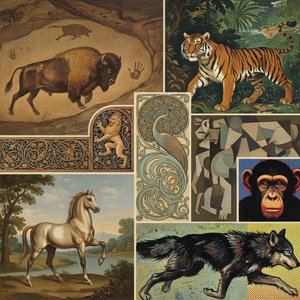
Beastly Brushstrokes: A Historical Journey Through Animal Painting & Aesthetic Movements
Explore the rich history of animal painting across cultures & movements. Discover iconic artists, symbolism, collecting trends & expert art consultation at ArtsDot.com.

Echoes of Society: Exploring Social Realism's Enduring Legacy in Art
Explore the powerful world of Social Realism art! Discover key artists, masterpieces & its profound social commentary. Expert insights into this influential movement's history and enduring legacy.