 Preview
 Send
Send Share
Share
 Details

 Download
 Similars
 X-Ray
X-Ray Diaporama
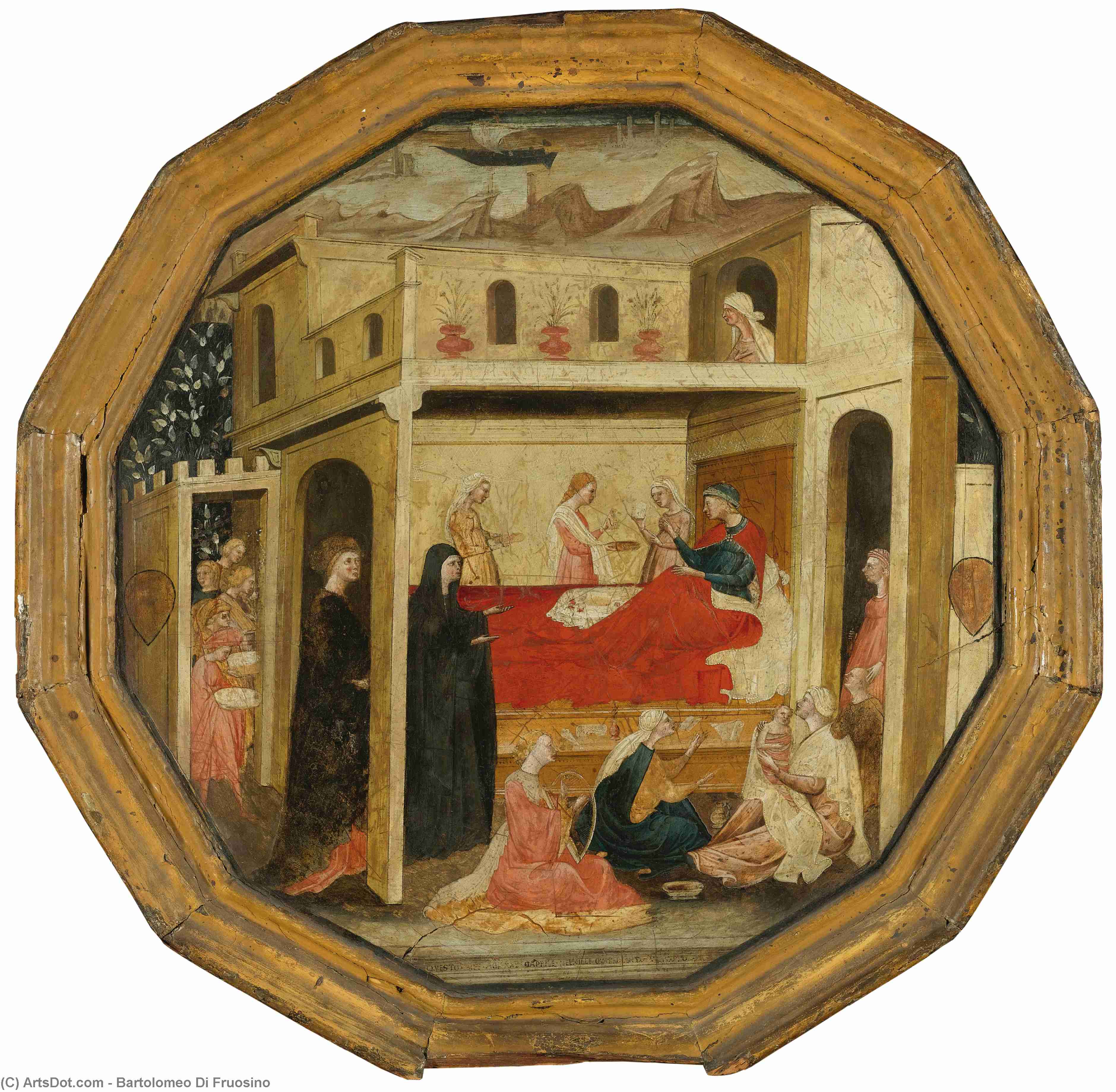
Desco da parto (verso)


 Read More
Hand Made Oil Reproduction
Hand-painted oil on canvas in your size and frame, made to order by our artists. ( Buy Print Buy Image)




P118B $10

P118H $10

P118W $10

P438Z $10

P508JH $12

P508YH $12

P805H $10

P805Z $10

P919BZ $10

P919G $10

P919XJ $10

P959ZH $10

P968JZ $12

W106C $8

W218G $10

W218JH $8

W218Y $10

W307PJ $10

W316G $10

W316PJ $8

W316Y $10

W398PJ $8

W4111J $10

W500HY $15

W500JH $15

W692G $12

W849H $8

W940BG $15

W953PJ $8




Pick from our preset sizes that match the artwork's original proportions.

You may enter your own dimensions to fit a specific frame or space. If your selected size does not match the original image's proportions, we will either crop the artwork or extend the painting with additional hand-painted elements. A digital mockup will be sent for your approval before production begins.
Please note that the on-screen preview does not reflect the actual cropping or extension. Only the mockup will accurately show the final composition.
While custom sizes are available, we recommend selecting a dimension from the predefined list to preserve the original proportions.
After order, ArtsDot.com team will email client for instructions and provide a mockup preview
Worldwide Delivery () in 3/4 weeks instead of standard 5 weeks. (17 August). No compromise on quality.

Free Worldwide Express Shipping

High-Quality Linen Canvas

Full Shipping Insurance

Customs Tax Refund Guarantee

True Color Matching Guarantee

60-Day Return Policy (Defects Only)

100% Money-Back Guarantee

Bulk Discount Offer
 Glass option is only available in size under 110 CM

Desco da parto (verso)
Reproduction Medium
Reproduction Size
-


Total Price
$ 438
Artwork Description
Bartolomeo di Fruosino: Illuminating Florence’s Renaissance Soul
Florence in the mid-fifteenth century pulsed with intellectual fervor—the humanist movement reshaping perceptions of humanity and art alike. Amidst this vibrant cultural landscape emerged Bartolomeo di Fruosino (1366 – 7 December 1441), a painter whose mastery of light, shadow, and profound understanding of humanist ideals cemented his legacy as one of the era’s foremost artistic voices. Though biographical details remain somewhat elusive—estimates regarding his age vary between 61 and 64—his unwavering dedication to artistic excellence is undeniable, shaping a visual narrative that continues to resonate with admiration centuries later. His brother, Giovanni Fruosino, was equally accomplished as a sculptor, suggesting a familial tradition of artistic endeavor within the influential Florentine guild of Saint Luke.- Early Life and Guild Membership: Bartolomeo’s formal training began in 1394 when he joined the guild of Saint Luke—a cornerstone institution fostering artistic innovation and patronage—under the watchful eye of Agnolo Gaddi. This affiliation wasn't merely professional; it instilled a deep appreciation for collaborative artistry and established him within a network crucial to disseminating new ideas and stylistic trends.
- Influence of Lorenzo Monaco: Fruosino’s artistic sensibilities were profoundly shaped by Lorenzo Monaco, a humanist painter who championed clarity of form and emotional expression—principles that would become hallmarks of Fruosino's own oeuvre. Monaco’s emphasis on idealized beauty and psychological depth served as an invaluable guide for Fruosino’s exploration of human experience through visual representation.
The Desco da Parto: A Symbol of Maternal Joy
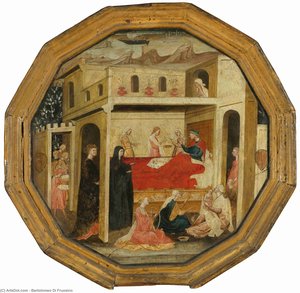
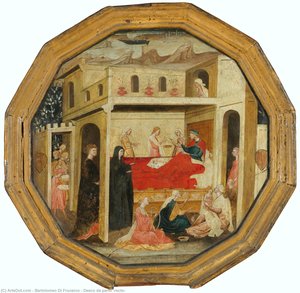
The *desco da parto*, or birth tray, represents a fascinating intersection between religious symbolism and domestic ritual in Renaissance Florence. Commissioned primarily by affluent families celebrating the arrival of their newborn son—a practice deeply rooted in Florentine social customs—these painted trays served as both decorative objects and tangible expressions of goodwill. They weren’t simply beautiful artworks; they functioned as conduits for conveying wishes for prosperity, fertility, and divine protection to the mother and child. The tray itself was meticulously crafted, often adorned with elaborate floral motifs and gilded accents—a testament to the skill of Florentine artisans and their commitment to elevating everyday life through artistic embellishment.- Iconographic Repertoire: The iconography of the *desco da parto* adhered to a carefully established tradition, reflecting both classical mythology and Christian piety. Scenes depicting the Virgin Mary cradling Jesus—a motif symbolizing divine compassion and maternal devotion—were prevalent alongside depictions of Saint Anne, Florence’s patron saint, embodying maternal fortitude and spiritual grace.
- Psychological Depth: Beyond mere decorative splendor, Fruosino's *desco da parto* conveyed profound psychological insight into the postpartum experience. The composition captures a moment of serene intimacy—the mother receiving visits from female friends—highlighting the importance of social support during this vulnerable period and celebrating the joyous occasion of childbirth.
Technique and Style: Mastering Light and Shadow
Bartolomeo di Fruosino’s artistic style exemplifies the Florentine Renaissance's commitment to realism tempered by stylistic elegance. He skillfully employed tempera on panel—a technique favored for its luminosity and durability—creating surfaces that shimmer with subtle hues and capture the nuances of light and shadow. This meticulous attention to detail—evident in the rendering of drapery folds, facial expressions, and architectural ornamentation—underscores Fruosino’s mastery of artistic craftmanship. Unlike earlier Gothic styles characterized by flattened perspectives and stylized proportions, Fruosino embraced a more nuanced approach to spatial representation, subtly conveying depth through layering forms and overlapping planes—a technique that anticipates developments in Renaissance painting.- Linear Perspective: While Fruosino didn’t fully embrace the radical innovations of linear perspective championed by artists like Brunelleschi, he nonetheless incorporated elements of this groundbreaking system—primarily in architectural settings—to enhance spatial realism and create a sense of atmospheric depth.
- Color Palette: Fruosino's color palette favored muted earth tones—ochres, browns, and creams—infused with splashes of red and blue—a deliberate choice reflecting the solemn mood of the scene and aligning with prevailing artistic conventions of the period.
Legacy and Influence
Bartolomeo di Fruosino’s contribution to Florentine Renaissance art extends far beyond individual masterpieces. His unwavering dedication to humanist ideals—expressed through his meticulous craftsmanship and profound understanding of human psychology—established him as a pivotal figure shaping artistic discourse and inspiring subsequent generations of painters. Works attributed to Fruosino can be found in prestigious collections worldwide, including the Metropolitan Museum of Art and Galleria dell’Accademia, Florence—testaments to his enduring artistic significance and continuing relevance to art historians and enthusiasts alike. His influence resonates throughout Florentine painting, demonstrating the transformative power of artistic innovation and its capacity to elevate both visual beauty and intellectual contemplation.Related Artworks
Artist Biography
Bartolomeo di Fruosino (1366 - 1441): A Florentine Master of Light and Shadow
Bartolomeo di Fruosino, born in Florence around 1366, stands as a pivotal figure within the Florentine Renaissance art scene—a painter whose meticulous craftsmanship and profound understanding of humanist ideals cemented his place among the era’s most celebrated artists. While definitive biographical details remain elusive due to conflicting accounts regarding his age (estimates vary between 61 and 64), his unwavering dedication to artistic excellence is undeniable, shaping a legacy that continues to inspire admiration centuries later. His brother, Giovanni Fruosino, was equally accomplished as a sculptor, suggesting a familial tradition of artistic endeavor within the influential Florentine guild of Saint Luke.- Early Life and Guild Membership: Bartolomeo’s formal training began in 1394 when he joined the guild of Saint Luke—a cornerstone institution fostering artistic innovation and patronage—under the tutelage of Agnolo Gaddi, a renowned sculptor and fellow guild member. This association provided invaluable access to artistic knowledge and established connections within Florence's vibrant cultural landscape.
- Commissioned Works: Fruosino’s prolific output is evidenced by numerous commissions undertaken during his lifetime, notably his involvement in the ambitious design project for the Cappella del Sacro Cingolo—the Holy Ring Chapel—within Prato Cathedral. This undertaking demanded exceptional skill and collaborative effort, showcasing Fruosino's ability to contribute to monumental artistic endeavors.
- The Hospital of Saint Mary: Between 1402 and 1438, Bartolomeo received substantial patronage from the Hospitale Maggiore di San Marco—Florence’s largest hospital—resulting in a series of stunning frescoes adorning its walls. These paintings exemplify Fruosino's mastery of perspective and color theory, reflecting the humanist preoccupation with naturalism and conveying profound spiritual themes.
Influences and Artistic Style
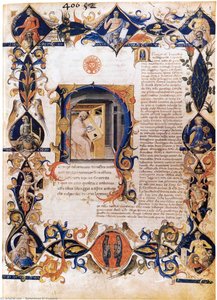
Fruosino’s artistic vision was undeniably shaped by Lorenzo Monaco—a Florentine humanist painter who championed classical ideals and advocated for a restrained aesthetic characterized by clarity of form and luminous color palettes. This influence is particularly apparent in Fruosino's illumination work, notably the 1421 Missal of San Giorgio, where he skillfully employed techniques reminiscent of Monaco’s style—emphasizing subtle gradations of tone and prioritizing spiritual contemplation over elaborate ornamentation. His meticulous attention to detail and masterful handling of pigment demonstrate a deep appreciation for artistic tradition while simultaneously pushing boundaries toward innovative expression.Notable Achievements
Bartolomeo di Fruosino's enduring fame rests upon his contribution to Florentine art history—primarily through his monumental frescoes within the Hospital of Saint Mary, which stand as testaments to Renaissance artistic excellence. Furthermore, his illumination work—particularly the Missal of San Giorgio—represents a pinnacle of medieval manuscript painting, showcasing unparalleled artistry and conveying profound spiritual significance. His works are housed in prestigious institutions such as the Metropolitan Museum of Art, Galleria dell’Accademia, and San Marco Cathedral, ensuring that Fruosino's artistic legacy continues to captivate audiences worldwide.Legacy
Bartolomeo di Fruosino’s influence extends beyond his individual creations—he served as a mentor and inspiration for subsequent generations of Florentine artists. His unwavering commitment to humanist principles—expressed through his art—contributed significantly to the flourishing intellectual and artistic environment of the Renaissance, solidifying his position as one of Florence's foremost masters and securing his place within the annals of Western art history.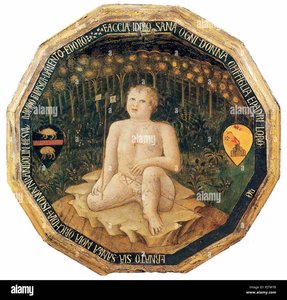
Bartolomeo di Fruosino
1366 - 1441 , Italy
Quick Facts
- Artistic Movement Or Style: Renaissance Art
- Artists Or Movements Influenced By This Artist: ['Florence']
- Artists Who Influenced This Artist: ['Lorenzo Monaco']
- Date Of Birth: Florence, Italy (1366)
- Date Of Death: 1441
- Full Name: Bartolomeo di Fruosino
- Nationality: Italian
- Notable Artworks:
- Desco da parto (recto)
- (1366 - 1441)
- Museo Nazionale di Villa Guinigi
- Place Of Birth: Florence
Related Articles
Leonardo da Vinci's Masterpieces: Explore 25 Iconic Artworks for Your Home | ArtsDot
Journey through Leonardo da Vinci's genius with our curated selection of 25 iconic artworks. Explore the stories behind Mona Lisa, The Last Supper & more Renaissance masterpieces. Find museum-quality art reproductions for your home at ArtsDot.com.

Giotto's Masterpieces: 25 Renaissance Artworks for Your Home | ArtsDot
Explore 25 breathtaking artworks by Giotto di Bondone, a Renaissance master. Discover the stories behind iconic frescoes & paintings like the Scrovegni Chapel cycle. Find museum-quality Giotto reproductions and elevate your home decor with ArtsDot.com.

Leonardo da Vinci: A Renaissance Master’s Synthesis of Art, Science & Human Observation – Reinterpreted for the Collector
Explore Leonardo da Vinci’s timeless masterpieces with ArtsDot. Discover insights into his art, science, and legacy – trusted expertise for discerning collectors seeking authentic reproductions & investment opportunities.
Proto-Renaissance Masters: 10 Artworks That Changed History | ArtsDot
Journey back to the dawn of Renaissance art! Explore 10 iconic Proto-Renaissance masterpieces by Giotto, Cimabue & Duccio. Discover their stories, techniques & lasting impact. Find museum-quality reproductions for your home at ArtsDot.com
La Biennale's Masterpieces: 25 Artworks to Inspire Your Home | ArtsDot
Explore 25 iconic artworks from La Biennale di Venezia! Discover the stories behind masterpieces of Italian art, modernism & Renaissance paintings. Find museum-quality reproductions and elevate your home decor with ArtsDot.com. Explore the full collection online.