 Preview
 Send
Send Share
Share
 Details

 Download
 Similars
 X-Ray
X-Ray Diaporama
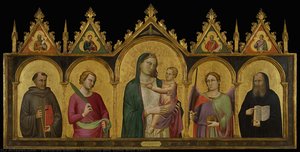
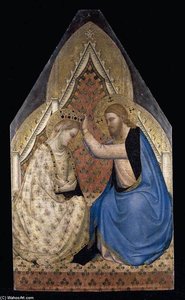
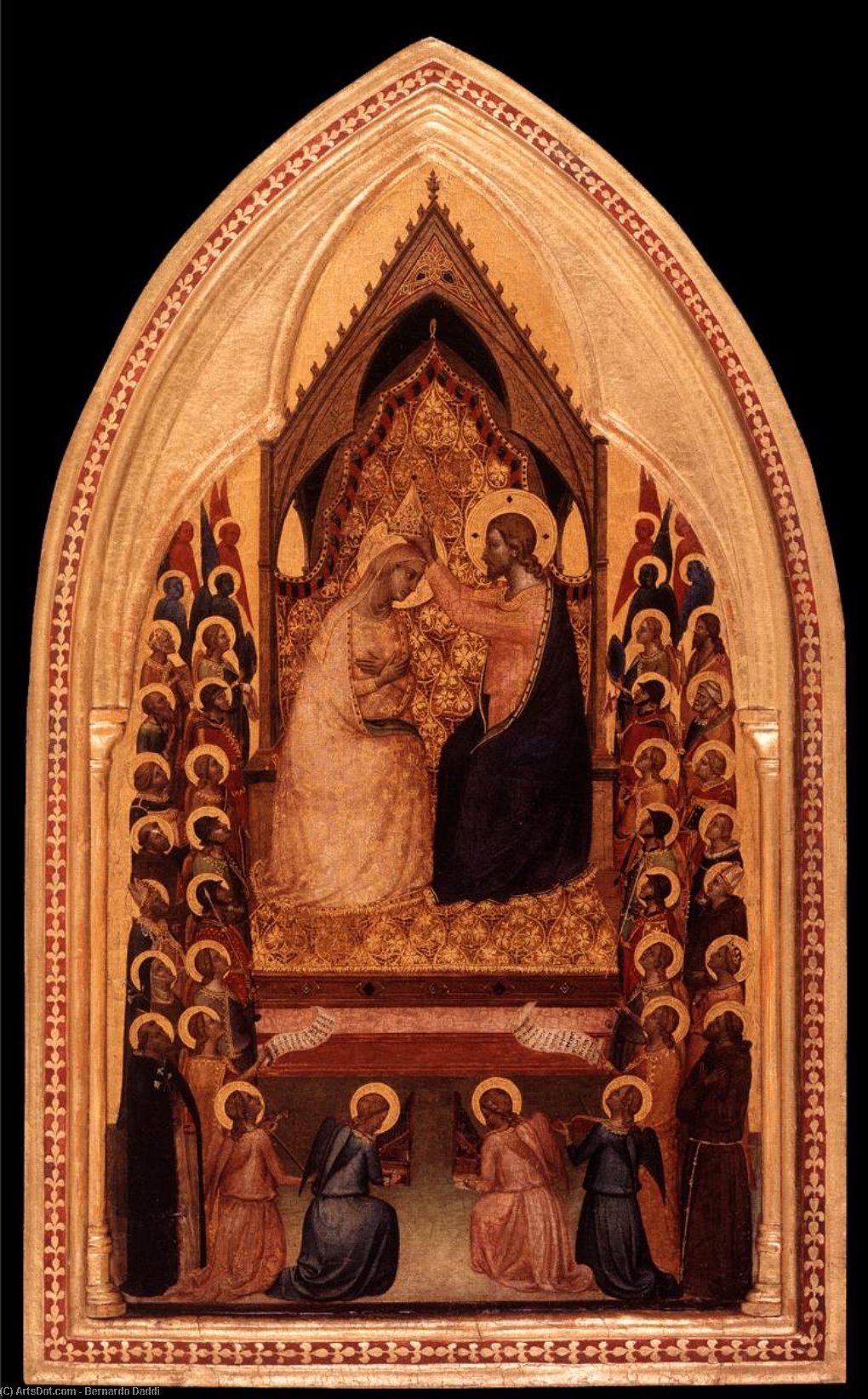
Coronation of the Virgin
 Oil On Canvas
- WallArt
- Gothic Renaissance
 1340
1340- Late Medieval
 53.0 x 30.0 cm
 Lindenau-Museum
 Read More
Hand Made Oil Reproduction
Hand-painted oil on canvas in your size and frame, made to order by our artists. ( Buy Print Buy Image)




P118B $10

P118H $10

P118W $10

P438Z $10

P508JH $12

P508YH $12

P805H $10

P805Z $10

P919BZ $10

P919G $10

P919XJ $10

P959ZH $10

P968JZ $12

W106C $8

W218G $10

W218JH $8

W218Y $10

W307PJ $10

W316G $10

W316PJ $8

W316Y $10

W398PJ $8

W4111J $10

W500HY $15

W500JH $15

W692G $12

W849H $8

W940BG $15

W953PJ $8




Pick from our preset sizes that match the artwork's original proportions.

You may enter your own dimensions to fit a specific frame or space. If your selected size does not match the original image's proportions, we will either crop the artwork or extend the painting with additional hand-painted elements. A digital mockup will be sent for your approval before production begins.
Please note that the on-screen preview does not reflect the actual cropping or extension. Only the mockup will accurately show the final composition.
While custom sizes are available, we recommend selecting a dimension from the predefined list to preserve the original proportions.
After order, ArtsDot.com team will email client for instructions and provide a mockup preview
Worldwide Delivery () in 3/4 weeks instead of standard 5 weeks. (17 August). No compromise on quality.

Free Worldwide Express Shipping

High-Quality Linen Canvas

Full Shipping Insurance

Customs Tax Refund Guarantee

True Color Matching Guarantee

60-Day Return Policy (Defects Only)

100% Money-Back Guarantee

Bulk Discount Offer
 Glass option is only available in size under 110 CM

Coronation of the Virgin
Reproduction Medium
Reproduction Size
-


Total Price
$ 263
Artwork Description
A Celestial Ascent: The Coronation of the Virgin
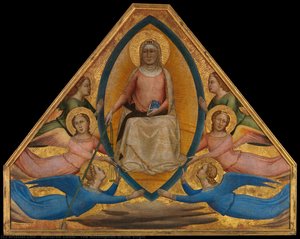
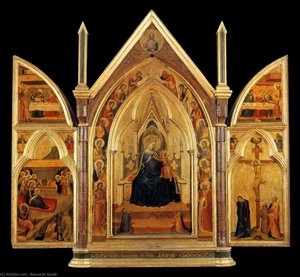
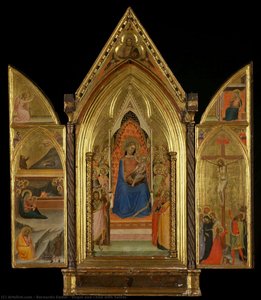
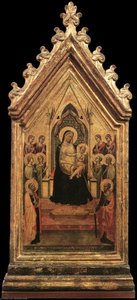
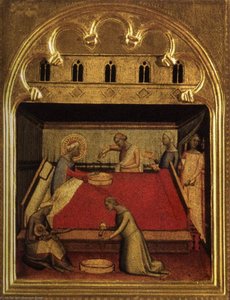
To gaze upon this depiction of the Coronation of the Virgin is to be transported across the veil of time, into a moment suspended between earthly devotion and divine glory. Bernardo Daddi’s masterful rendering captures not merely an event, but an apotheosis—the sublime elevation of Mary to heavenly queen. The composition immediately draws the eye to the central figure, seated upon a richly appointed bed, embodying serene majesty. Above her, the presence of figures suggests the culmination of sacred ritual, with one man tenderly holding the infant Christ, anchoring the divine narrative within the opulent setting.
Gothic Grace Meets Emerging Realism
Daddi’s genius is perhaps best understood through his position as a bridge painter. Working in the vibrant crucible of 14th-century Florence, his style gracefully navigates the transition from the lingering elegance of the Gothic period toward the burgeoning naturalism of the Renaissance. While the scene retains the intricate patterning and devotional intensity characteristic of late Gothic art—visible in the ornate architecture framing the figures—there is a palpable shift towards human emotion and believable weight. The drapery falls with a newfound sense of gravity, and the faces possess an emerging psychological depth that speaks to Daddi’s careful study of form and gesture.
Symbolism Woven into Sacred Splendor
Every element within this painting whispers of theological significance. The act of coronation itself is potent symbolism: it represents Mary's ultimate exaltation, her acceptance into the heavenly court alongside Christ. The surrounding figures are not mere witnesses; they participate in a sacred drama that speaks to humanity’s yearning for transcendence. Observe the architectural backdrop; its detailed ornamentation grounds the divine event within a recognizable, albeit idealized, earthly structure—a church or cathedral setting that connects the celestial narrative back to the worshipper's own pilgrimage. The inclusion of multiple figures allows Daddi to explore complex relationships of devotion and hierarchy.
An Echo for the Modern Sanctuary
For the collector or designer seeking art that speaks volumes without shouting, this piece offers profound resonance. Its blend of breathtaking detail and emotional accessibility makes it a centerpiece worthy of contemplation. Reproducing such an artwork allows one to bring the quiet grandeur of Quattrocento Florentine piety into a modern space. It is not merely decoration; it is a focal point for meditation, inviting viewers to pause before the richness of color, the sweep of divine robes, and the enduring narrative of faith.
Technique and Enduring Impact
The technique employed showcases Daddi’s skill in layering rich pigments to achieve luminosity, particularly noticeable in the glow surrounding the central figures. The careful handling of light against deep shadows gives the scene a dramatic, almost palpable atmosphere. Owning or displaying a reproduction of this Coronation is to possess a tangible piece of art history—a testament to an artist who masterfully guided his patrons through one of Western art’s most profound stylistic metamorphoses.
Related Artworks

Artist Biography
Bernardo Daddi: Bridging Gothic and Renaissance in Florence
Bernardo Daddi, born in Florence around 1290 and passing away in 1348, stands as a pivotal figure in the transition from the late Gothic to the burgeoning Italian Renaissance. He wasn’t a revolutionary iconoclast shattering established conventions overnight, but rather a master craftsman who subtly yet profoundly shifted the artistic landscape of his time, particularly within the vibrant city of Florence. Often described as the “leading painter” of Florence during his generation, Daddi's legacy lies not in radical departures, but in a measured evolution—a careful refinement of existing techniques and a dedication to realism that marked a crucial step toward the humanist ideals of the Renaissance.Early Life and Artistic Roots
Daddi’s precise birthdate remains shrouded in some mystery, though records indicate he was first mentioned in 1312. It's widely believed that his artistic journey began under the tutelage of Giotto di Bondone, one of the most influential artists of the era. Giotto’s emphasis on naturalism and emotional expression undoubtedly shaped Daddi’s early style. His initial works demonstrate a clear connection to Giotto’s followers – masters like the “Master of Santa Cecilia” and other Florentine painters of the first quarter of the 14th century—reflecting a direct lineage of artistic influence. These early pieces showcase a stylistic fidelity, utilizing techniques common in the Gothic tradition while hinting at the burgeoning realism that would define his later career. The meticulous detail and vibrant colors characteristic of this period suggest a strong grounding in established practices, yet with an emerging sensitivity to depicting human form and emotion.A Style Defined by Realism and Portable Altarpieces
Daddi’s artistic style represents a significant departure from the stylized, often highly symbolic, imagery prevalent in Gothic art. He sought to achieve a more accurate and believable representation of reality—a core tenet of the Renaissance. This shift is particularly evident in his smaller-scale works, where he skillfully rendered textures, drapery, and facial expressions with remarkable detail. Crucially, Daddi played a key role in popularizing the portable altarpiece format. These multi-panel compositions, designed to be displayed in churches and chapels, allowed for greater narrative complexity and visual richness than traditional wall paintings. Daddi’s later style, influenced by Maso di Banco, demonstrates an increased refinement—a subtle elegance that belies a certain academic precision. This blend of lyrical beauty and technical skill is what distinguishes his work and cemented his position as a leading Florentine painter.Notable Works and Museum Collections
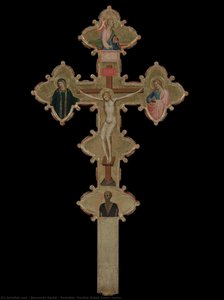
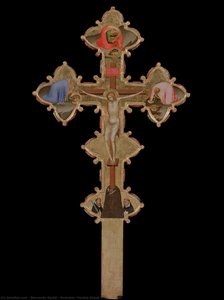
Bernardo Daddi’s artistic output has left an indelible mark on the collections of some of the world's most prestigious museums. The Uffizi Gallery in Florence houses a significant triptych from 1328, offering a compelling glimpse into his compositional skills and narrative storytelling. Equally remarkable is the “Martyrdom of Saint Stephen” housed within the Pinacoteca Vaticana—a predella comprised of eight panels painted around 1345. Beyond these iconic pieces, Daddi’s influence can be seen in numerous works scattered across institutions like the National Gallery of Art and the Walters Art Museum. His “Processional Cross,” for example, exemplifies his ability to capture movement and detail within a relatively small format. The Courtauld Institute of Art holds several panels from the "Coronation of the Virgin," showcasing his mastery of depicting religious figures and their surroundings.Influences and Lasting Legacy
Daddi’s artistic development wasn't solely rooted in Giotto’s teachings; he was also influenced by the Sienese art of Lorenzetti, whose emphasis on civic virtue and naturalistic representation resonated with Daddi’s own aesthetic sensibilities. His last known work dates back to 1347, and sadly, he passed away shortly thereafter. Despite a certain “academic and mechanical hardness” noted by some critics—a characteristic perhaps stemming from his workshop's prolific output—Daddi’s lyrical elegance and technical skill ensured his enduring legacy. He bridged the gap between the Gothic past and the nascent Renaissance, shaping the visual language of Florence and leaving behind a body of work that continues to captivate viewers today. His contributions to the development of portable altarpieces and his commitment to realistic depiction laid the groundwork for future generations of Italian artists.Useful Resources
- Loggia del Bigallo, Florence:**
Explore 14th-century art & historical artifacts from the Compagnia del Bigallo, including works by Arnoldi & Daddi. A unique Florentine gem! - Bernardo Daddi - Getty Museum:**
Explore the collection of the J. Paul Getty Museum at the Getty Center and the Getty Villa. - Bernardo Daddi - Wikipedia:**
Discover more about his life, work, and influences on Wikipedia.
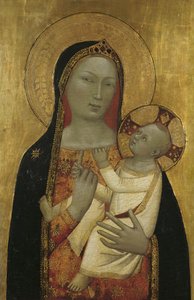
Bernardo Daddi
1290 - 1348 , Italy
Quick Facts
- Artistic Movement Or Style: Early Renaissance
- Artists Or Movements Influenced By This Artist: ['Maso di Banco']
- Artists Who Influenced This Artist: ['Giotto']
- Date Of Birth: 1290
- Date Of Death: 1348
- Full Name: Bernardo Daddi
- Nationality: Italian
- Notable Artworks:
- Madonna and Child
- Martyrdom of St Stephen
- Ognissanti Triptych
- Place Of Birth: Florence, Italy
Related Articles
The Radiant Dusk of Medieval Vision: Exploring Late Gothic Art's Synthesis of Faith, Form & Emotionality (c. 1300-1500)
Explore the exquisite beauty & spiritual depth of Late Gothic art (c. 1300-1500). Discover key artists, symbolism, and its lasting influence on the Renaissance. Expert insights at ArtsDot.
Beyond Borders: The Spiritual & Stylistic Innovations of International Gothic Art
Explore the exquisite beauty & spiritual depth of International Gothic art. Discover key artists like Simone Martini & Pol de Limbourg, its origins, symbolism, and lasting influence on European painting. Expert insights at ArtsDot.
The Shadow of Faith: Exploring Gothic Art's Spiritual Intensity & Architectural Innovation
Explore the spiritual intensity & architectural innovation of Gothic art! Discover the symbolism behind cathedrals, stained glass & master artists like Giotto and Monet. A deep dive into medieval history & artistic expression.
Mario Sironi: A Poetic of Modern Italian Identity Through Symbolism & Social Commentary
Explore the profound works of Mario Sironi, a key figure in Italian Modernism. Discover his evolution from Futurism to Metaphysical painting and his powerful social commentary. Learn about his legacy at ArtsDot.
Giovanni Fattori: Realism, Identity & the Tuscan Landscape – A Macchiaioli Master
Explore the life & art of Giovanni Fattori, a leading figure of the Macchiaioli movement. Discover his revolutionary realism, captivating Tuscan landscapes, and lasting impact on Italian painting. Learn more at ArtsDot.