 Preview
 Send
Send Share
Share
 Details

 Download
 Similars
 X-Ray
X-Ray Diaporama
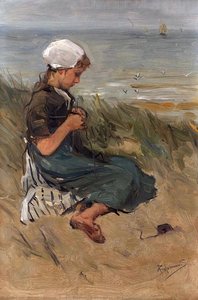
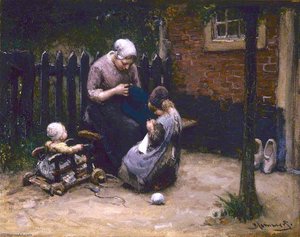
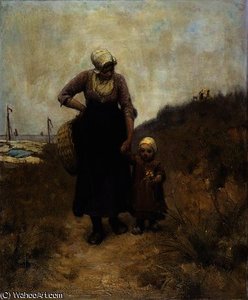
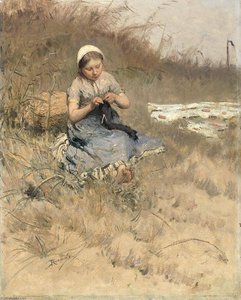
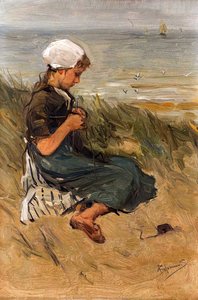
Knitting Girl on a Dune


 Read More
Giclée / Art Print
Museum-quality giclée or canvas print with fast production and flexible finish options. ( Buy Hand Made Painting Buy Image)




P118B $10

P118H $10

P118W $10

P438Z $10

P508JH $12

P508YH $12

P805H $10

P805Z $10

P919BZ $10

P919G $10

P919XJ $10

P959ZH $10

P968JZ $12

W106C $8

W218G $10

W218JH $8

W218Y $10

W307PJ $10

W316G $10

W316PJ $8

W316Y $10

W398PJ $8

W4111J $10

W500HY $15

W500JH $15

W692G $12

W849H $8

W940BG $15

W953PJ $8




Pick from our preset sizes that match the artwork's original proportions.

You may enter your own dimensions to fit a specific frame or space. If your selected size does not match the original image's proportions, we will either crop the artwork or extend the image with a mirrored or solid-fill edge. A digital mockup will be sent for your approval before production begins.
Please note that the on-screen preview does not reflect the actual cropping or extension. Only the mockup will accurately show the final composition.
While custom sizes are available, we recommend selecting a dimension from the predefined list to preserve the original proportions.
Worldwide Delivery () in 2 weeks instead of standard 4/5 weeks. (27 August)

Free Worldwide Express Shipping

High-Quality Linen Canvas

Full Shipping Insurance

Customs Tax Refund Guarantee

True Color Matching Guarantee

60-Day Return Policy (Defects Only)

100% Money-Back Guarantee

Bulk Discount Offer
 Glass option is only available in size under 110 CM

Knitting Girl on a Dune
Giclée / Art Print
Reproduction Size
-


Total Price
$ 63
Collectible Description
A Moment Frozen in Time: Bernardus Blommers’ “Knitting Girl”
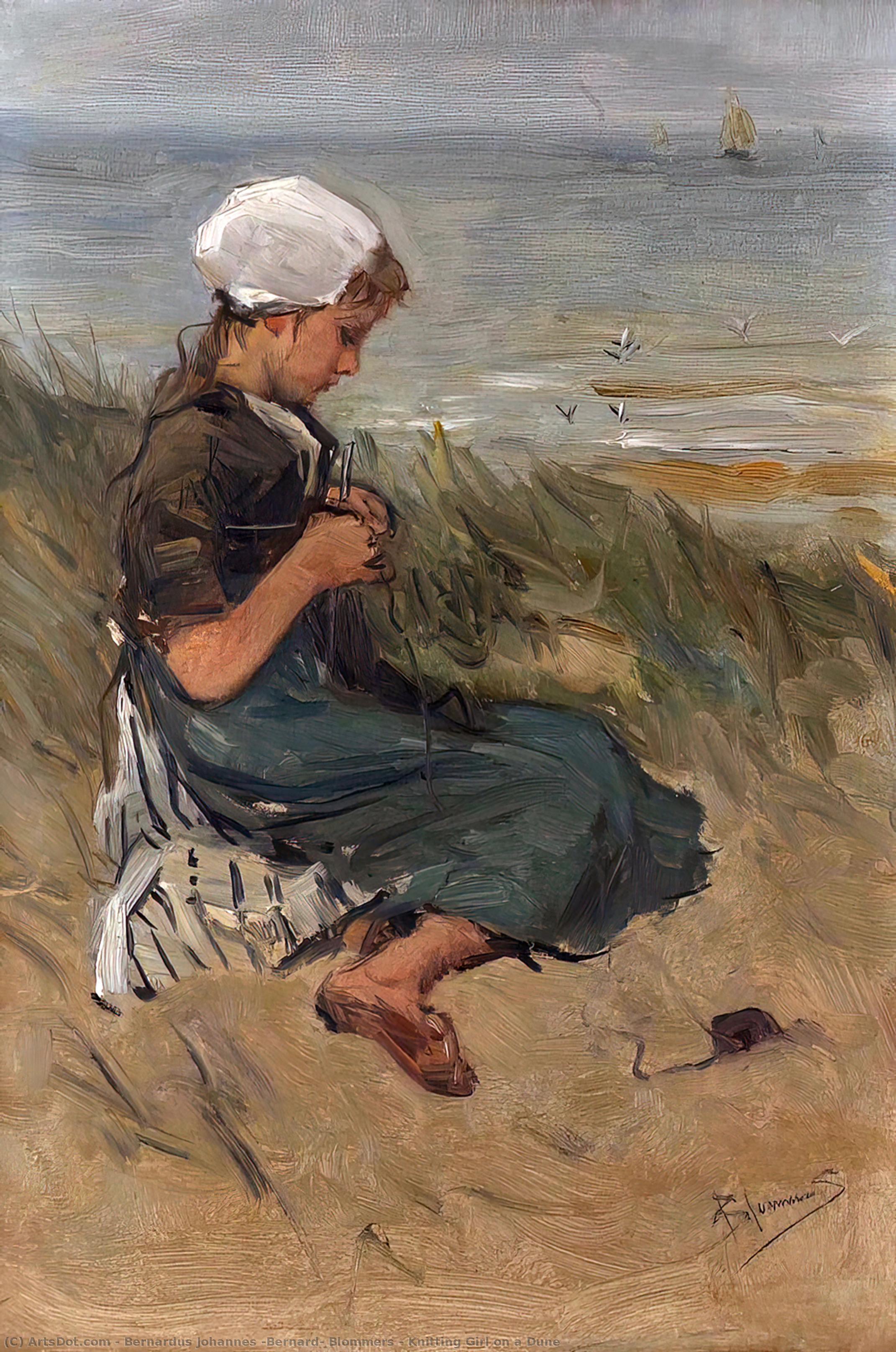
Bernardus Blommers' "Knitting Girl on a Dune" isn’t merely a depiction of a seaside scene; it’s an embodiment of the Hague School’s ethos – to portray the quiet dignity and beauty of ordinary Dutch life with unparalleled precision. Painted circa 1900, this oil painting transports us back to a time when artistic ambition wasn't about grand narratives but about capturing the subtle nuances of daily existence. The canvas glows with an ethereal light, characteristic of Blommers’ masterful manipulation of color and texture, reflecting the overcast skies typical of the North Sea region during that period.The Artist’s Vision: Capturing Light and Texture
Bernardus Johannes Blommers (1845-1914), born in The Hague, possessed an uncommon dedication to observation. Unlike many artists of his era preoccupied with idealized landscapes or mythological subjects, Blommers focused intently on the realities faced by Dutch farmers and fishermen—individuals whose lives were inextricably linked to the rhythms of nature. His formative years spent assisting his father’s printing shop instilled within him a meticulous attention to detail – a quality that would become synonymous with his artistic style. He initially honed his skills in lithography, yet it was through evening classes at the Hague Academy of Arts where he truly blossomed as a painter.A Realistic Portrait Against a Dramatic Backdrop
The painting’s composition is deceptively simple: a young woman seated on a dune overlooking the sea, diligently mending fishing nets. However, beneath this tranquil surface lies a wealth of artistic considerations. Blommers employed a technique known as impasto – applying thick layers of paint onto the canvas – to create palpable textural surfaces that mimic the roughness of sand and grass. This deliberate choice wasn’t just aesthetically pleasing; it served to heighten the sense of realism and convey the tactile experience of being present in this coastal landscape. The muted palette—dominated by earthy browns, greens, and whites—further reinforces the painting's connection to its surroundings.Symbolism Beyond Representation
“Knitting Girl” transcends mere visual representation. It speaks to themes of labor, resilience, and the harmonious relationship between humanity and nature – core tenets of Hague School philosophy. The woman’s focused gaze embodies perseverance and dedication—qualities admired in rural communities striving for survival amidst challenging conditions. Furthermore, the sea itself symbolizes vastness, mystery, and the enduring power of the natural world. The sailboats drifting on the horizon represent aspiration and connection to a wider community.Emotional Resonance: A Quiet Beauty
Ultimately, Blommers’ “Knitting Girl” evokes a profound sense of serenity and contemplation. It invites viewers to pause and appreciate the beauty found in everyday activities—a sentiment that resonates powerfully even today. The painting's understated elegance captures a fleeting moment of human connection against the grandeur of the landscape, reminding us that art can illuminate the simplest aspects of life with remarkable grace and insight. Its reproduction offers an opportunity to bring this timeless masterpiece into your home and experience its enduring emotional impact firsthand.Related Artworks


Artist Biography
Bernardus Blommers: A Dutch Master of Light and Life
Bernardus Johannes, or Bernard as he’s more commonly known, was a pivotal figure in the late 19th and early 20th-century Dutch art scene. Born in The Hague in 1845, his life and work are inextricably linked to the burgeoning Hague School, a movement that sought to capture the essence of everyday Dutch life with remarkable realism and sensitivity. More than just an artist, Blommers was a keen observer of humanity, meticulously portraying the lives of fishermen, farmers, and their families against the dramatic backdrop of the North Sea coastline and its expansive dunes.
Blommers’ artistic journey began not in a formal studio, but within his father's printing shop. This early exposure to visual reproduction instilled a deep appreciation for detail and craftsmanship – qualities that would later inform his meticulous brushwork. He initially pursued lithography as a trade, yet it was through evening classes at the Hague Academy of Arts that he discovered his true passion: painting. Influenced profoundly by Josef Israëls, particularly his depictions of working-class life, Blommers quickly established himself as a master of capturing intimate scenes and conveying a sense of quiet dignity.
His early works are characterized by a strong emphasis on genre paintings – scenes of fishermen mending nets, women tending to their homes, and children playing along the shore. These subjects weren’t merely decorative; they were imbued with a profound respect for the lives of ordinary people. The influence of Israëls is evident in Blommers' use of light and shadow, his careful attention to costume and setting, and his ability to evoke a sense of atmosphere. However, Blommers soon developed his own distinct style, moving beyond mere imitation to create works that possessed a unique emotional resonance.
The Evolution of a Landscape Painter
As the 1880s progressed, Blommers’ focus shifted towards landscape painting, particularly scenes of the North Sea coastline. He spent considerable time in Scheveningen and later Katwijk, meticulously documenting the ever-changing light and weather conditions that shaped these dramatic environments. These weren't simply picturesque views; they were imbued with a sense of melancholy and solitude, reflecting the lives of those who depended on the sea for their livelihood.
A key turning point in Blommers’ artistic development was his marriage to Anna van der Toorn, a fish-seller from Scheveningen. Anna became not only his beloved wife but also a frequent model and muse, appearing prominently in many of his paintings. This intimate connection with the subject matter – particularly the lives of women and children – deepened his understanding of human emotion and informed his artistic vision. His later works, often depicting mothers and children playing on the beach, are filled with warmth, tenderness, and a quiet sense of contentment.
Blommers’ technique evolved over time, moving from a more polished, academic style to one characterized by looser brushwork and a greater emphasis on capturing fleeting moments. He embraced *impasto*, applying thick layers of paint to create texture and depth, particularly in his depictions of the dunes and the turbulent sea. This tactile quality adds another layer of sensory experience to his paintings, inviting the viewer to feel the wind, smell the salt air, and sense the drama of the natural world.
Recognition and Legacy
Bernardus Blommers enjoyed considerable success during his lifetime, exhibiting his work both in the Netherlands and abroad. His paintings were highly sought after by collectors in England, Scotland, America, and Canada, reflecting a growing appreciation for Dutch art outside of Europe. He was awarded medals at numerous prestigious exhibitions, solidifying his reputation as one of the leading artists of the Hague School.
Beyond his artistic achievements, Blommers also played a significant role as an educator, mentoring young artists and sharing his knowledge and experience. His influence extended beyond his immediate circle, shaping the course of Dutch art for decades to come. His legacy is not simply one of technical skill or aesthetic beauty; it’s a testament to his ability to capture the essence of human life with honesty, empathy, and profound artistic vision.
Key Works and Recurring Themes
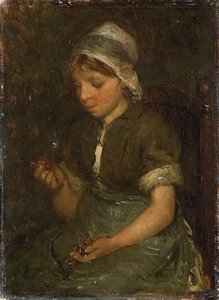
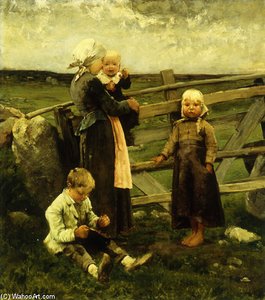
Several paintings stand out as particularly representative of Blommers' style and thematic concerns. “Girl with Cherries” (1876) exemplifies his early genre work, capturing a moment of quiet domesticity. "Knitting Girl on a Dune" (1882) showcases his ability to convey the beauty of the natural world while simultaneously exploring themes of rural life and human connection. His later works, such as “The Fishermen’s Children” (circa 1900), are characterized by their emotional depth and evocative use of light and color.
Recurring themes in Blommers' work include the sea, family life, poverty, and the dignity of labor. He consistently depicted ordinary people – fishermen, farmers, and their families – with respect and compassion, offering a poignant commentary on the challenges and rewards of rural existence. His paintings are not simply representations of reality; they are imbued with a profound sense of humanity.
A Lasting Impression
Bernardus Blommers died in The Hague in 1914, leaving behind a rich and enduring artistic legacy. His paintings continue to resonate with viewers today, offering a glimpse into the lives of ordinary people and reminding us of the beauty and dignity that can be found in the simplest of moments. He remains a vital figure in Dutch art history, a master of light, color, and human emotion – a true testament to the power of observation and artistic expression.
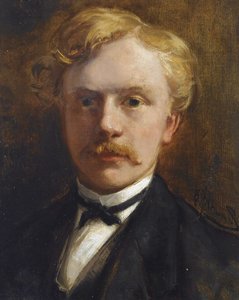
bernardus johannes (bernard) blommers
1845 - 1914 , Netherlands
Quick Facts
- Artistic Movement Or Style: Hague School
- Artists Or Movements Influenced By This Artist: ['Hague School']
- Artists Who Influenced This Artist: ['Josef Israëls']
- Date Of Birth: January 30, 1845
- Date Of Death: December 12, 1914
- Full Name: Bernardus Johannes Blommers
- Nationality: Dutch
- Notable Artworks:
- Girl with Cherries
- Knitting Girl on a Dune
- Place Of Birth: The Hague, Netherlands
Related Articles
Golden Light & Dutch Skies: Bringing the Magic of Dutch Golden Age Landscapes into Your Home
Transform your home with the breathtaking light of Dutch Golden Age landscapes. Discover how hand-painted oil reproductions of masterworks like Ruisdael and Vermeer bring timeless elegance, atmosphere, and soulful texture to modern interiors. Elevate your space with museum-quality art.
Jan van Goyen: Master of Dutch Landscape & Atmospheric Perspective
Discover Jan van Goyen, the master of Dutch landscape painting. Explore his subtle technique, atmospheric realism & lasting influence on art history. Learn about this 17th-century pioneer at ArtsDot.
Jacob van Ruisdael: Master of Dutch Landscape & the Evocation of National Identity
Explore the life & work of Jacob van Ruisdael, the preeminent Dutch landscape painter. Discover his technical brilliance, symbolic depth, and lasting influence on art history. Learn about collecting Ruisdael's masterpieces.
Nicolaes Berchem: Dutch Golden Age Pastoralism & the Evolution of Landscape Painting
Explore the captivating world of Nicolaes Berchem, a leading Dutch Golden Age painter. Discover his idyllic landscapes, masterful technique & lasting influence on art history. Learn more at ArtsDot.
Charles Leickert: Capturing the Dutch Golden Age Light – A Comprehensive Study of Technique, Context, and Legacy
Explore the captivating winter landscapes of Charles Leickert, a master of Dutch Golden Age light & atmosphere. Discover his techniques, symbolism, and lasting legacy – a comprehensive study for art enthusiasts and collectors.