 Preview
 Send
Send Share
Share
 Details

 Download
 Similars
 X-Ray
X-Ray Diaporama
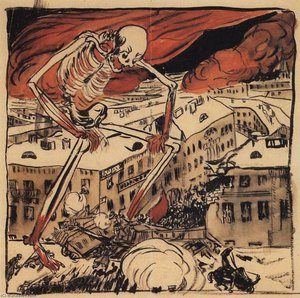
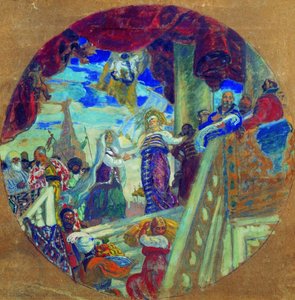
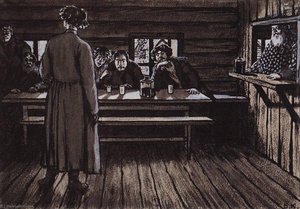
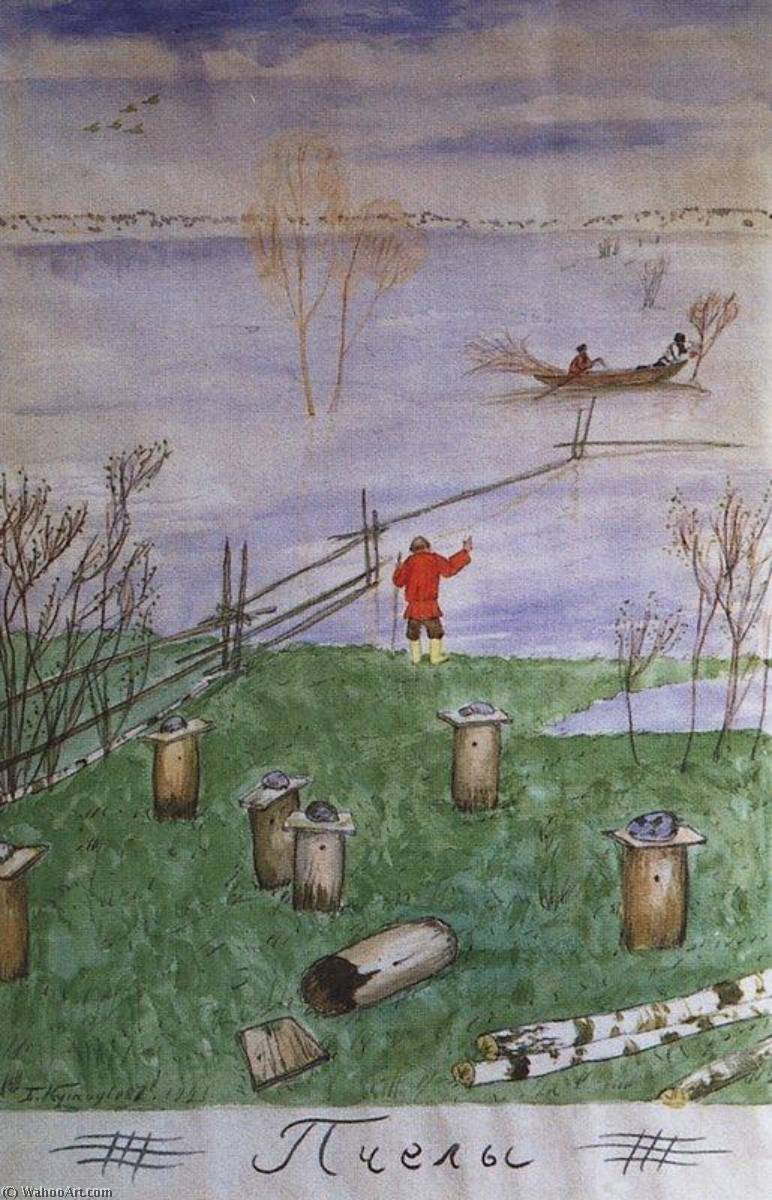
An Illustration for Nikolai Nekrasov's Poem Bees


 Read More
Hand Made Oil Reproduction
Hand-painted oil on canvas in your size and frame, made to order by our artists. ( Buy Print Buy Image)




P118B $10

P118H $10

P118W $10

P438Z $10

P508JH $12

P508YH $12

P805H $10

P805Z $10

P919BZ $10

P919G $10

P919XJ $10

P959ZH $10

P968JZ $12

W106C $8

W218G $10

W218JH $8

W218Y $10

W307PJ $10

W316G $10

W316PJ $8

W316Y $10

W398PJ $8

W4111J $10

W500HY $15

W500JH $15

W692G $12

W849H $8

W940BG $15

W953PJ $8




Pick from our preset sizes that match the artwork's original proportions.

You may enter your own dimensions to fit a specific frame or space. If your selected size does not match the original image's proportions, we will either crop the artwork or extend the painting with additional hand-painted elements. A digital mockup will be sent for your approval before production begins.
Please note that the on-screen preview does not reflect the actual cropping or extension. Only the mockup will accurately show the final composition.
While custom sizes are available, we recommend selecting a dimension from the predefined list to preserve the original proportions.
After order, ArtsDot.com team will email client for instructions and provide a mockup preview
Worldwide Delivery () in 3/4 weeks instead of standard 5 weeks. (28 August). No compromise on quality.

Free Worldwide Express Shipping

High-Quality Linen Canvas

Full Shipping Insurance

Customs Tax Refund Guarantee

True Color Matching Guarantee

60-Day Return Policy (Defects Only)

100% Money-Back Guarantee

Bulk Discount Offer
 Glass option is only available in size under 110 CM

An Illustration for Nikolai Nekrasov's Poem Bees
Reproduction Medium
Reproduction Size
-


Total Price
$ 263
A Window into Russian Soul: Boris Kustodiev’s “An Illustration for Nikolai Nekrasov’s Poem Bees”
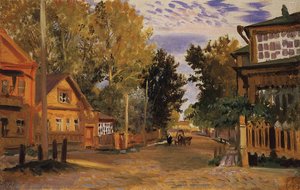
Boris Mikhailovich Kustodiev's 1921 watercolor, "An Illustration for Nikolai Nekrasov’s Poem Bees," isn't merely a depiction of a rural scene; it’s a vibrant portal into the heart of Russian life and folklore. Painted during a period of profound social and artistic transformation – the aftermath of the 1905 Revolution and the rise of Soviet realism – Kustodiev masterfully captures a timeless quality, evoking both nostalgia for a vanishing world and a deep appreciation for its enduring spirit. The painting immediately draws the eye with its rich palette, dominated by earthy browns, greens, and blues, punctuated by flashes of crimson and gold that suggest warmth and vitality. This isn’t a photographic representation; rather, it's an intensely felt experience, rendered through Kustodiev’s signature Naïve Art style – a technique characterized by bold outlines, simplified forms, and a deliberate lack of illusionistic depth. The scene unfolds on the banks of a tranquil body of water, likely a river or lake, reflecting the expansive sky above. A solitary figure stands near the water's edge, his posture suggesting contemplation as he gazes across to a distant point – perhaps a village, a loved one, or simply the boundless expanse of nature. The composition is deliberately uncluttered, focusing attention on the central subject and creating a sense of quiet serenity. Two small boats are visible in the background, hinting at human activity and connection with the natural world. However, the figures within them remain indistinct, adding to the painting’s enigmatic quality. Kustodiev's use of hatching – short, parallel lines applied in varying directions – creates a remarkable sense of texture and depth, imbuing the landscape with an almost tactile presence. This technique, reminiscent of older Russian icon painting, lends the work a timelessness that transcends its specific historical context. Kustodiev’s artistic journey was deeply intertwined with his personal experiences and the socio-cultural realities of his time. Born in Astrakhan, a city on the Volga River, he witnessed firsthand the lives of merchants and common folk – a world of bustling markets, colorful costumes, and enduring traditions. These observations profoundly shaped his artistic vision, informing his decision to depict scenes of rural Russia with such warmth and authenticity. The poem "Bees," written by Nikolai Nekrasov, explores themes of labor, community, and the simple pleasures of life in the countryside – all subjects that resonated deeply with Kustodiev’s own worldview. The painting can be interpreted as a celebration of these values, suggesting a longing for a simpler time and a connection to the land. Symbolically, the painting is rich with meaning. The bees themselves represent hard work, community, and the interconnectedness of all things. The figure contemplating the distance embodies a sense of yearning – perhaps for something lost or unattainable. The water serves as a mirror, reflecting not only the sky but also the viewer’s own thoughts and emotions. The boats symbolize human interaction and the passage of time. Kustodiev's deliberate use of color further enhances the painting’s symbolic power; the warm hues evoke feelings of comfort and nostalgia, while the cooler tones suggest a sense of melancholy and reflection. Ultimately, “An Illustration for Nikolai Nekrasov’s Poem Bees” is more than just a beautiful artwork; it’s a poignant meditation on Russian identity, rural life, and the enduring human spirit. Reproductions capture this essence beautifully, offering a tangible connection to Kustodiev's artistic vision. Its evocative imagery and masterful technique make it a treasured addition to any collection, inviting viewers to lose themselves in its timeless beauty and contemplate the deeper meanings embedded within its vibrant scene.Artist Information: Boris Mikhailovich Kustodiev
Born on March 7, 1878, in Astrakhan, Russia, Boris Kustodiev’s life was a testament to his unwavering dedication to art. His early years were marked by hardship following the death of his father, a professor, forcing his mother to shoulder the family's financial burdens. This experience instilled in him a deep empathy for the struggles of ordinary people – a theme that would become central to his artistic output. Kustodiev’s formal training began at the theological seminary in Astrakhan before he transitioned to private lessons with Pavel Vlasov, a student of Vasily Perov, which ignited his passion for painting. He then attended the Imperial Academy of Arts in St. Petersburg under Ilya Repin from 1896 to 1903, receiving invaluable guidance and honing his skills. Repin recognized Kustodiev’s talent early on, inviting him to assist with a monumental commemorative painting – a significant recognition for a young artist. Throughout his career, Kustodiev explored various artistic styles, including Naïve Art (Primitivism), which he embraced wholeheartedly and is most prominently displayed in “Bees.” He also worked as a book illustrator, capturing the essence of classic Russian literature with remarkable sensitivity. His later years were marked by illness, but his creative spirit remained undimmed until his death on May 28, 1927, leaving behind a legacy of vibrant and deeply evocative paintings that continue to captivate audiences today. His work is now housed in major museums across Russia and beyond, solidifying his place as one of the most important figures in Russian art history.Related Artworks
Artist Biography
A Life Immersed in Russian Spirit
Boris Mikhailovich Kustodiev, born on March 7, 1878, in Astrakhan, Russia, was an artist whose work became synonymous with a vibrant and often idealized depiction of Russian life. His early years were marked by a sense of provinciality, shaped by the financial struggles following his father’s untimely death – a professor of philosophy, history, and logic. This exposure to the lives of merchants and common folk would deeply influence the themes that permeated his art throughout his career. Kustodiev's formative education began within the theological seminary in Astrakhan, yet it was private lessons with Pavel Vlasov, a student of Vasily Perov, that truly ignited his artistic passion. This foundation led him to St. Petersburg and the prestigious Imperial Academy of Arts, where he studied under the renowned Ilya Repin from 1896 to 1903. Repin recognized Kustodiev’s talent early on, even inviting him to assist with a monumental commemorative painting, providing invaluable experience and mentorship. This period was crucial in honing his skills and establishing his commitment to capturing the essence of Russian identity.Artistic Development and Key Themes
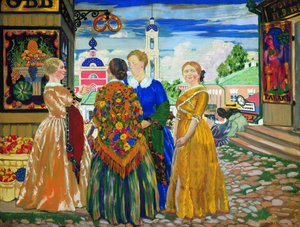
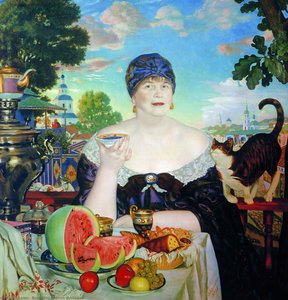
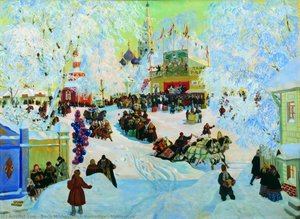
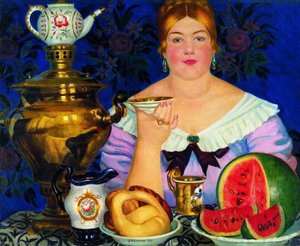
Kustodiev's artistic journey unfolded across various genres – portraiture, genre scenes, and book illustration – but he consistently returned to portraying the richness and complexity of Russian culture. His style evolved over time, initially influenced by Realism and later embracing elements of Art Nouveau. He possessed a remarkable ability to depict not just *what* he saw, but also the atmosphere and spirit of a place or moment. The merchant class, with their traditions and customs, became a recurring motif in his work, reflecting those early impressions from his childhood. Paintings like The Merchant’s Wife, completed in 1918, stand as powerful testaments to this fascination, showcasing the dignity and character of these often-overlooked figures. Beyond portraits, Kustodiev masterfully captured scenes of everyday life – bustling marketplaces, lively festivals such as Maslenitsa (Pancake Week) depicted vividly in his 1916 painting of the same name, and serene landscapes that evoked a deep sense of national pride. His work wasn’t merely representational; it was infused with a palpable love for Russia and its people. He traveled extensively throughout Europe – France, Spain, Italy – but always felt drawn back to his homeland, believing that true artistic inspiration lay within the Russian soul.Overcoming Adversity: Art as Resilience
In 1916, Kustodiev’s life took a dramatic turn when he was struck with paraplegia. Confined to a wheelchair, his physical suffering could have easily extinguished his creative flame. However, it instead fueled an even greater artistic output and a remarkable shift in perspective. Despite the immense challenges, he continued to paint prolifically, his later works characterized by an intensified joyfulness and vibrant color palette. It’s as if, unable to physically experience life fully, he poured all of his energy into recreating its beauty on canvas. This period saw him further refine his style, embracing a more decorative approach that celebrated the simple pleasures of life. His resilience in the face of adversity became an integral part of his artistic legacy, demonstrating the power of art as a source of strength and solace. The market painting by Alexey Petrovich Bogolyubov is a testament to this enduring influence.Legacy and Historical Significance
Boris Kustodiev’s contribution to Russian art lies in his ability to capture the spirit of an era – a time of immense social change, political upheaval, and cultural awakening. He wasn't simply documenting reality; he was interpreting it through a lens of nostalgia, affection, and profound understanding. His paintings offer invaluable insights into the lives of ordinary Russians during the late 19th and early 20th centuries, preserving their traditions, customs, and values for posterity. His work resonated deeply with audiences then and continues to captivate viewers today. Kustodiev’s influence can be seen in the works of subsequent generations of Russian artists who sought to celebrate their national identity and depict the beauty of everyday life. His paintings are now held in prominent collections across Russia, including the Kramskoy Museum of Fine Arts in Voronezh and the Kharkov Museum of Art in Ukraine, ensuring that his artistic vision will continue to inspire and enrich for years to come.Notable Works & Collections
- The Merchant’s Wife (1918): A seminal work embodying Kustodiev's mastery of Russian realism and his affectionate portrayal of the merchant class.
- Fontanka (1916): A vibrant depiction of St. Petersburg life, showcasing his ability to capture atmosphere and movement.
- Pancake Tuesday/Maslenitsa (1916): A joyous celebration of a traditional Russian festival, brimming with color and energy.
- Trinity Day: Captures the lively spirit of a Russian religious celebration.
- The Attack on the Wedding Carriage: A dramatic woodcut illustrating a historical conflict with striking intensity.
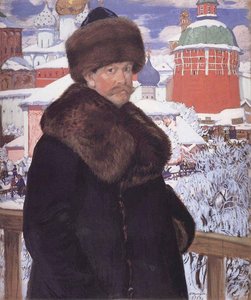
Boris Mikhailovich Kustodiev
1878 - 1927 , Russia
Quick Facts
- Artistic Movement Or Style: Realism, Art Nouveau
- Artists Who Influenced This Artist:
- Ilya Repin
- Vasily Perov
- Date Of Birth: March 7, 1878
- Date Of Death: May 28, 1927
- Full Name: Boris Mikhailovich Kustodiev
- Nationality: Russian
- Notable Artworks:
- The Merchant's Wife
- Fontanka
- Maslenitsa
- Place Of Birth: Astrakhan, Russia
Related Articles
Watercolor Wonders: 10 Masterpieces That Redefined Art History | ArtsDot
Journey through 10 legendary watercolor masterpieces by Sargent, Turner & Homer! Explore iconic landscapes, portraits & floral art that redefined history. Find museum-quality reproductions and curated decor ideas at ArtsDot.com.

Ephemeral Visions: Exploring the Artistic Legacy & Contemporary Practice of Watercolor Painting
Explore the captivating world of watercolor painting! Discover its rich history, essential techniques, influential artists & collecting tips. A comprehensive guide for art enthusiasts from ArtsDot.
Ephemeral Visions: Exploring the History & Emotional Resonance of Watercolor Painting
Explore the captivating history of watercolor painting, from ancient techniques to modern masters like Kandinsky & Blake. Discover essential artists, collecting tips & the emotional power of this luminous medium. Expert insights for art enthusiasts.
Ephemeral Visions: Exploring the Artistic Legacy & Nuances of Watercolor Painting
Explore the captivating world of watercolor painting! Discover its rich history, essential techniques, influential artists & collecting tips from art experts. A comprehensive guide for enthusiasts.
The Enduring Appeal of Watercolor: History, Techniques & Contemporary Practice
Explore the captivating world of watercolor painting! Discover its rich history, essential techniques, influential artists, and collecting tips. A comprehensive guide for art enthusiasts.