
A Sanctuary of the Written Word: The Soul of Saint Petersburg
In the heart of Saint Petersburg, where the imperial grandeur of the Neva meets the profound intellectual currents of the East, lies a sanctuary that transcends the boundaries of a mere museum. The Institute of Russian Literature—known affectionately to scholars and dreamers alike as the Pushkin House—stands as a monumental testament to the enduring power of the written word. To step within its walls is to enter a living archive of the Russian soul, a place where the ink of centuries past still feels fresh upon the page. This is not merely a repository for paper and parchment; it is a pilgrimage site for those who find beauty in the cadence of poetry and the weight of historical narrative, offering an intimate encounter with the architects of national identity.
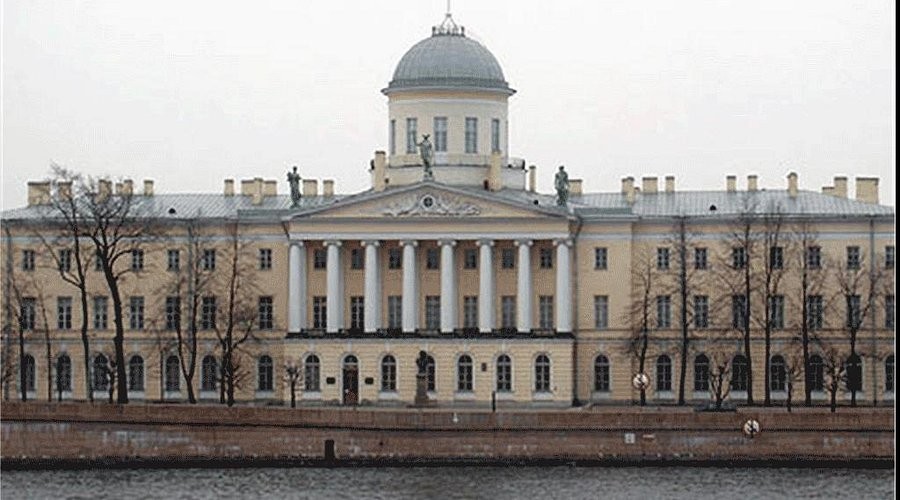
The museum’s physical presence is as commanding as its intellectual legacy. Housed within the magnificent Customs House, a masterpiece of Neoclassical architecture, the building itself serves as a silent protagonist in the story of Saint Petersburg. Designed by the renowned Giovanni Francesco Lucchini between 1829 and 1832, the structure embodies the disciplined elegance and opulent scale characteristic of the city’s golden era. For the art lover and the interior designer, the architecture offers a breathtaking study in symmetry and grandeur; its imposing façade and stately interiors provide a backdrop of timeless sophistication that mirrors the high-minded pursuits housed within its halls.
A Journey Through Epochs of Thought
The collection at Pushkin House is a meticulously curated journey through the epochs of Russian thought, where every artifact serves as a window into a changing world. In the celebrated “Golden Age” galleries, one finds themselves enveloped by the romantic fervor of the 19th century. Here, the delicate traces of luminaries such as Alexander Pushkin and Vasily Zhukovsky are preserved in original manuscripts and sketches, allowing visitors to witness the very moment a poetic vision was etched into existence. These artifacts capture an era of blossoming expression, where every stroke of the pen carried the weight of a shifting social landscape.
As one moves deeper into the archives, the transition into the “Silver Age” offers a more hauntingly beautiful experience. The exhibits delve into the complexities of the early 20th century, capturing the profound disillusionment and avant-garde experimentation of a generation navigating the turbulent tides of societal upheaval. Through the works of Blok, Mandelstam, and Akhmatova, the museum preserves the fractured beauty of an era defined by both brilliance and tragedy. For the collector of history, these pieces are more than relics; they are the pulse of a civilization in flux.
The Living Legacy of the Russian Spirit
What truly distinguishes the Pushkin House from other literary institutions is its vibrant, breathing connection to the present. It does not merely archive the past; it fosters an ongoing dialogue through scholarly lectures, evocative exhibitions, and educational programs that resonate with contemporary audiences. Dedicated specifically to the legacy of Pushkin, the museum offers an unparalleled intimacy, presenting annotated drafts of Eugene Onegin alongside personal effects that humanize the legend. This intersection of the monumental and the personal creates a space where history feels tactile and immediate.
For those who seek cultural depth, the Institute of Russian Literature provides more than just a viewing experience—it offers a profound immersion into the transformative power of literature. It is a place where the voices of Russia’s greatest poets continue to echo through the corridors of time, ensuring that the intellectual heritage of the nation remains an active, breathing force in the modern world.