 Preview
 Send
Send Share
Share
 Details

 Download
 Similars
 X-Ray
X-Ray Diaporama
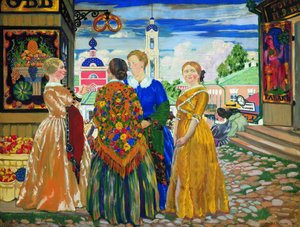
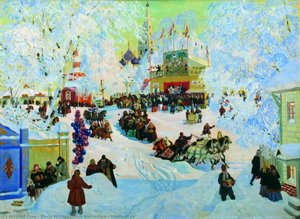
At The Fair
 Oil On Canvas
- WallArt
- Art Nouveau
 1906
1906- Modern
 66.0 x 88.0 cm
 Read More
Hand Made Oil Reproduction
Hand-painted oil on canvas in your size and frame, made to order by our artists. ( Buy Print Buy Image)




P118B $10

P118H $10

P118W $10

P438Z $10

P508JH $12

P508YH $12

P805H $10

P805Z $10

P919BZ $10

P919G $10

P919XJ $10

P959ZH $10

P968JZ $12

W106C $8

W218G $10

W218JH $8

W218Y $10

W307PJ $10

W316G $10

W316PJ $8

W316Y $10

W398PJ $8

W4111J $10

W500HY $15

W500JH $15

W692G $12

W849H $8

W940BG $15

W953PJ $8




Pick from our preset sizes that match the artwork's original proportions.

You may enter your own dimensions to fit a specific frame or space. If your selected size does not match the original image's proportions, we will either crop the artwork or extend the painting with additional hand-painted elements. A digital mockup will be sent for your approval before production begins.
Please note that the on-screen preview does not reflect the actual cropping or extension. Only the mockup will accurately show the final composition.
While custom sizes are available, we recommend selecting a dimension from the predefined list to preserve the original proportions.
After order, ArtsDot.com team will email client for instructions and provide a mockup preview
Worldwide Delivery () in 3/4 weeks instead of standard 5 weeks. (17 August). No compromise on quality.

Free Worldwide Express Shipping

High-Quality Linen Canvas

Full Shipping Insurance

Customs Tax Refund Guarantee

True Color Matching Guarantee

60-Day Return Policy (Defects Only)

100% Money-Back Guarantee

Bulk Discount Offer
 Glass option is only available in size under 110 CM

At The Fair
Reproduction Medium
Reproduction Size
-


Total Price
$ 463
Artwork Description
At The Fair: A Vibrant Glimpse of Russian Life
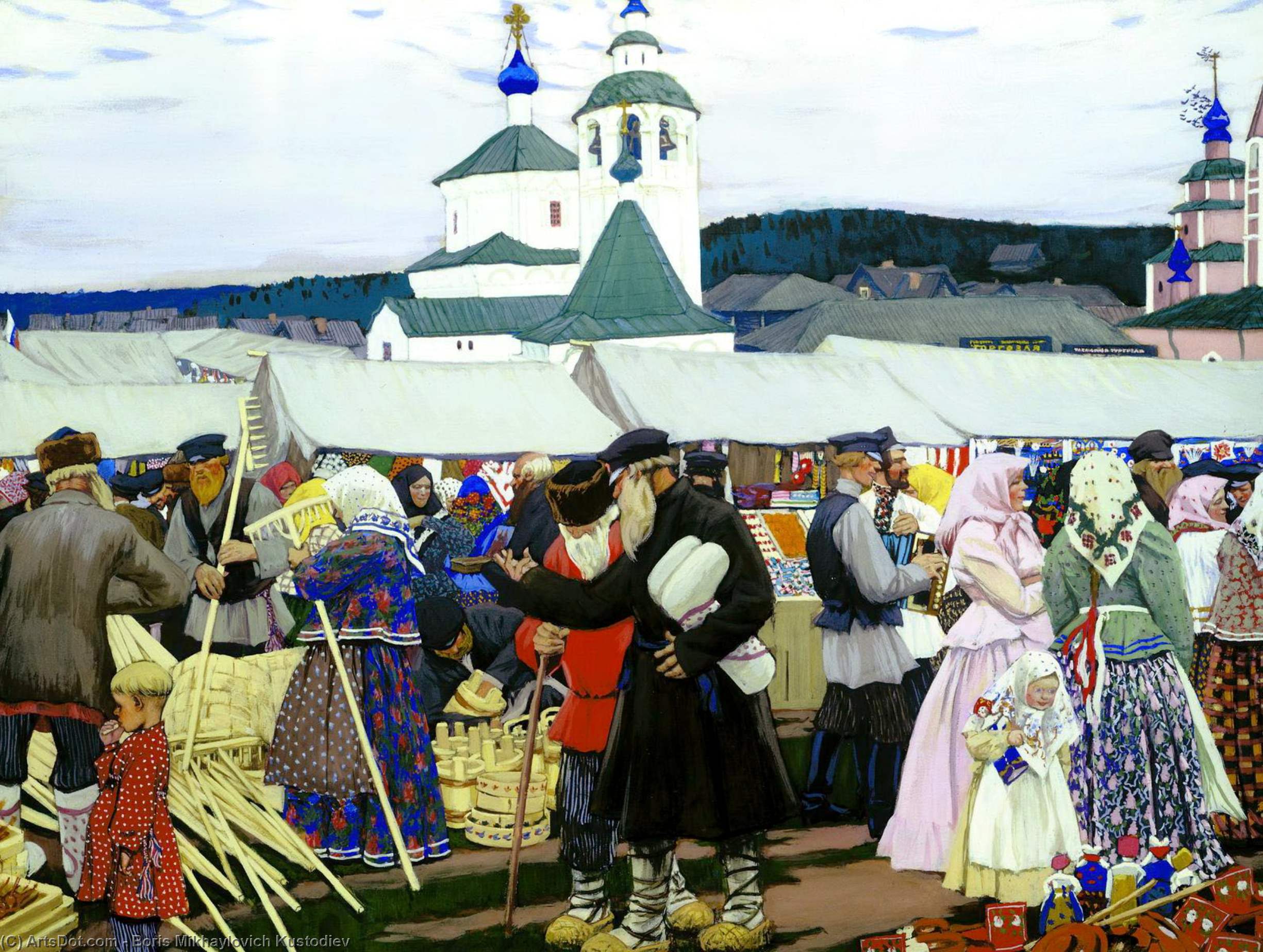
“At The Fair,” painted in 1906 by Boris Mikhailovich Kustodiev, is more than just a depiction of a bustling marketplace; it's a vibrant window into early 20th-century Russia. This oil on canvas artwork (measuring 66 x 88 cm) captures the energy and spirit of a traditional fair, brimming with life, color, and cultural significance. The painting is now housed in the Tretyakov Gallery, Moscow.
Artistic Style and Influences
Art Nouveau sensibilities are evident throughout “At The Fair.” Kustodiev masterfully employs flowing lines and dynamic compositions characteristic of this style. Notice the curves of the umbrellas, the intricate patterns in clothing, and the lively poses of the figures – all contributing to a sense of movement and visual harmony. Beyond Art Nouveau, Kustodiev’s work reflects his deep interest in capturing everyday life in Russia. He draws inspiration from folk art traditions, incorporating elements that evoke a sense of nostalgia and cultural pride. His other works like “Festive Gathering” and “Staraya Russa” further showcase this dedication to portraying the essence of Russian society.
Detailed Observations: A Feast for the Eyes
<- Abundance of Detail: The painting is rich with detail, featuring a multitude of objects – umbrellas, handbags, chairs – scattered throughout the scene. This creates a sense of realism and invites viewers to explore every corner of the marketplace.
- Expressive Figures: Kustodiev’s skill in portraying human emotion shines through in the varied expressions and poses of the figures. Each individual seems engaged in their own activity, contributing to the overall atmosphere of excitement and community.
- Vibrant Color Palette: The use of bold colors – reds, blues, yellows – creates a lively and festive ambiance. These hues not only capture the visual vibrancy of the fair but also evoke feelings of joy and celebration.
Historical Context and Symbolism
The painting offers valuable insight into Russian society at the turn of the 20th century. Fairs like the one depicted were vital social and economic hubs, bringing together people from different regions to trade goods and celebrate community. The prominent white-stoned church in the background symbolizes faith and tradition, integral aspects of Russian culture. Kustodiev’s choice to portray this scene reflects a desire to document and preserve these cherished cultural moments. The painting was commissioned by the Expedition for the Preparation of Government Securities (Goznak) for a series of Luboks, demonstrating its intended role as accessible visual communication.
Emotional Impact and Lasting Appeal
“At The Fair” evokes a sense of nostalgia and warmth. It’s a celebration of community, tradition, and the simple joys of life. The painting's vibrant colors and dynamic composition create an uplifting experience for the viewer. Kustodiev’s ability to capture the essence of Russian culture with such detail and emotion ensures that “At The Fair” remains a beloved masterpiece, offering a timeless glimpse into a bygone era.
Related Artworks

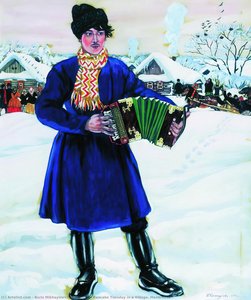
Artist Biography
A Life Immersed in Russian Spirit
Boris Mikhailovich Kustodiev, born on March 7, 1878, in Astrakhan, Russia, was an artist whose work became synonymous with a vibrant and often idealized depiction of Russian life. His early years were marked by a sense of provinciality, shaped by the financial struggles following his father’s untimely death – a professor of philosophy, history, and logic. This exposure to the lives of merchants and common folk would deeply influence the themes that permeated his art throughout his career. Kustodiev's formative education began within the theological seminary in Astrakhan, yet it was private lessons with Pavel Vlasov, a student of Vasily Perov, that truly ignited his artistic passion. This foundation led him to St. Petersburg and the prestigious Imperial Academy of Arts, where he studied under the renowned Ilya Repin from 1896 to 1903. Repin recognized Kustodiev’s talent early on, even inviting him to assist with a monumental commemorative painting, providing invaluable experience and mentorship. This period was crucial in honing his skills and establishing his commitment to capturing the essence of Russian identity.Artistic Development and Key Themes
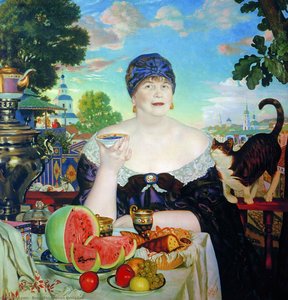
Kustodiev's artistic journey unfolded across various genres – portraiture, genre scenes, and book illustration – but he consistently returned to portraying the richness and complexity of Russian culture. His style evolved over time, initially influenced by Realism and later embracing elements of Art Nouveau. He possessed a remarkable ability to depict not just *what* he saw, but also the atmosphere and spirit of a place or moment. The merchant class, with their traditions and customs, became a recurring motif in his work, reflecting those early impressions from his childhood. Paintings like The Merchant’s Wife, completed in 1918, stand as powerful testaments to this fascination, showcasing the dignity and character of these often-overlooked figures. Beyond portraits, Kustodiev masterfully captured scenes of everyday life – bustling marketplaces, lively festivals such as Maslenitsa (Pancake Week) depicted vividly in his 1916 painting of the same name, and serene landscapes that evoked a deep sense of national pride. His work wasn’t merely representational; it was infused with a palpable love for Russia and its people. He traveled extensively throughout Europe – France, Spain, Italy – but always felt drawn back to his homeland, believing that true artistic inspiration lay within the Russian soul.Overcoming Adversity: Art as Resilience
In 1916, Kustodiev’s life took a dramatic turn when he was struck with paraplegia. Confined to a wheelchair, his physical suffering could have easily extinguished his creative flame. However, it instead fueled an even greater artistic output and a remarkable shift in perspective. Despite the immense challenges, he continued to paint prolifically, his later works characterized by an intensified joyfulness and vibrant color palette. It’s as if, unable to physically experience life fully, he poured all of his energy into recreating its beauty on canvas. This period saw him further refine his style, embracing a more decorative approach that celebrated the simple pleasures of life. His resilience in the face of adversity became an integral part of his artistic legacy, demonstrating the power of art as a source of strength and solace. The market painting by Alexey Petrovich Bogolyubov is a testament to this enduring influence.Legacy and Historical Significance
Boris Kustodiev’s contribution to Russian art lies in his ability to capture the spirit of an era – a time of immense social change, political upheaval, and cultural awakening. He wasn't simply documenting reality; he was interpreting it through a lens of nostalgia, affection, and profound understanding. His paintings offer invaluable insights into the lives of ordinary Russians during the late 19th and early 20th centuries, preserving their traditions, customs, and values for posterity. His work resonated deeply with audiences then and continues to captivate viewers today. Kustodiev’s influence can be seen in the works of subsequent generations of Russian artists who sought to celebrate their national identity and depict the beauty of everyday life. His paintings are now held in prominent collections across Russia, including the Kramskoy Museum of Fine Arts in Voronezh and the Kharkov Museum of Art in Ukraine, ensuring that his artistic vision will continue to inspire and enrich for years to come.Notable Works & Collections
- The Merchant’s Wife (1918): A seminal work embodying Kustodiev's mastery of Russian realism and his affectionate portrayal of the merchant class.
- Fontanka (1916): A vibrant depiction of St. Petersburg life, showcasing his ability to capture atmosphere and movement.
- Pancake Tuesday/Maslenitsa (1916): A joyous celebration of a traditional Russian festival, brimming with color and energy.
- Trinity Day: Captures the lively spirit of a Russian religious celebration.
- The Attack on the Wedding Carriage: A dramatic woodcut illustrating a historical conflict with striking intensity.
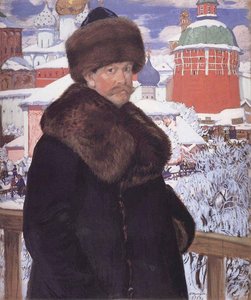
Boris Mikhailovich Kustodiev
1878 - 1927 , Russia
Quick Facts
- Artistic Movement Or Style: Realism, Art Nouveau
- Artists Who Influenced This Artist:
- Ilya Repin
- Vasily Perov
- Date Of Birth: March 7, 1878
- Date Of Death: May 28, 1927
- Full Name: Boris Mikhailovich Kustodiev
- Nationality: Russian
- Notable Artworks:
- The Merchant's Wife
- Fontanka
- Maslenitsa
- Place Of Birth: Astrakhan, Russia
Related Articles
Ivan Bilibin: A Synthesis of Folklore, Modernism & National Identity in Russian Illustration
Explore the enchanting world of Ivan Bilibin, a master Russian illustrator who synthesized folklore, Art Nouveau & national identity. Discover his iconic fairy tale illustrations and legacy with ArtsDot.
Victor Vasnetsov: Myth, Nationalism & the Revival of Russian Fairy Tale Painting
Explore the captivating world of Victor Vasnetsov, a co-founder of Russian folklorist painting. Discover his iconic works, influence on national identity, and lasting legacy in this expert guide.
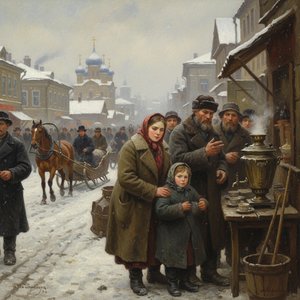
Vladimir Makovsky: Realism, Social Commentary & Russian Life in Late 19th-Century Painting
Explore the captivating world of Vladimir Makovsky, a leading Russian realist painter. Discover his insightful depictions of 19th-century life, social commentary & legacy with ArtsDot.
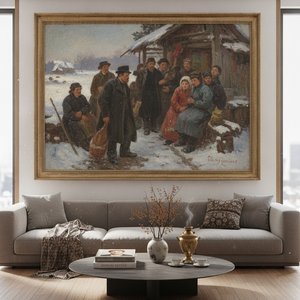
Discover Russian Realism: Soulful Masterpieces and the Timeless Spirit of the Peredvizhniki for Your Modern Home
Elevate your home with the soulful beauty of Russian Realism. Discover exquisite hand-painted reproductions of Peredvizhniki masterpieces, from lyrical landscapes to profound portraits, curated to bring historical depth and timeless elegance to your modern interior design.
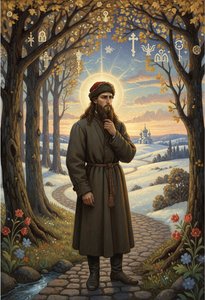
Mikhail Nesterov: Spiritual Quests & Symbolic Landscapes of Russian Symbolism
Explore the captivating world of Mikhail Nesterov, a pioneer of Russian Symbolism. Discover his spiritual themes, iconic paintings like 'The Hermit,' and lasting influence on Russian art history. Learn more at ArtsDot.