 Preview
 Send
Send Share
Share
 Details

 Download
 Similars
 X-Ray
X-Ray Diaporama
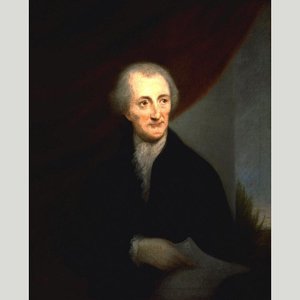
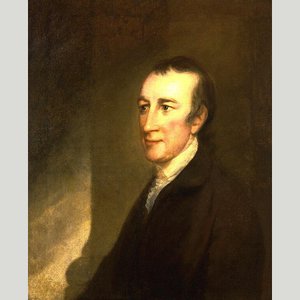
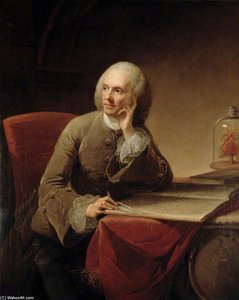
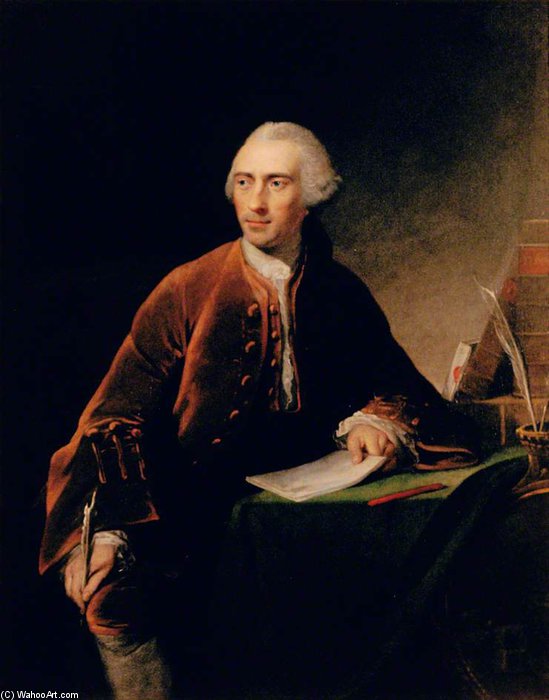
Samuel Vaughan, Trader, President Of The American Philosophical Society

 Read More
Giclée / Art Print
Museum-quality giclée or canvas print with fast production and flexible finish options. ( Buy Hand Made Painting Buy Image)




































Pick from our preset sizes that match the artwork's original proportions.

You may enter your own dimensions to fit a specific frame or space. If your selected size does not match the original image's proportions, we will either crop the artwork or extend the image with a mirrored or solid-fill edge. A digital mockup will be sent for your approval before production begins.
Please note that the on-screen preview does not reflect the actual cropping or extension. Only the mockup will accurately show the final composition.
While custom sizes are available, we recommend selecting a dimension from the predefined list to preserve the original proportions.
Worldwide Delivery () in 2 weeks instead of standard 4/5 weeks. (27 August)

Free Worldwide Express Shipping

High-Quality Linen Canvas

Full Shipping Insurance

Customs Tax Refund Guarantee

True Color Matching Guarantee

60-Day Return Policy (Defects Only)

100% Money-Back Guarantee

Bulk Discount Offer
 Glass option is only available in size under 110 CM

Samuel Vaughan, Trader, President Of The American Philosophical Society
Giclée / Art Print
Reproduction Size
-


Total Price
$ 63
Collectible Description
A Glimpse into 18th-Century Society: Samuel Vaughan, Trader, President of the American Philosophical Society
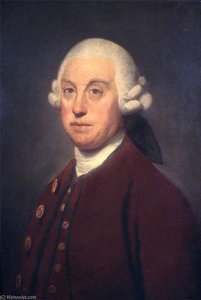
This striking portrait by c Robert Edge Pine offers a captivating window into the world of 18th-century Philadelphia. It depicts Samuel Vaughan, a prominent figure known as a successful trader and, significantly, the President of the prestigious American Philosophical Society. The artwork embodies the formality and dignity characteristic of classical oil painting during this period, presenting Vaughan not merely as an individual but as a symbol of intellect, commerce, and societal leadership. Pine masterfully uses light and shadow to draw attention to Vaughan’s face and upper body, creating a dramatic effect that emphasizes his presence and conveys a sense of quiet contemplation. The warm color palette—rich reds, browns, and golds against a dark backdrop—further enhances the portrait's gravitas and timeless appeal.The Artist & His Technique
c Robert Edge Pine (1730-1788), born in London, was a pioneering figure in American art history. He stands out as one of the first artists to document events related to the American Revolution through his paintings. Having trained under his father, engraver John Pine, Robert Edge Pine honed his skills and gained recognition for his portraits of notable figures like George II and the Duke of Northumberland in London before relocating to Philadelphia. This portrait exemplifies his meticulous oil painting technique, characterized by careful layering and blending to achieve smooth transitions and realistic textures. The shallow perspective focuses attention on Vaughan, while subtle shading creates a sense of depth and atmosphere. Pine’s skill lies not only in capturing likeness but also in conveying character and status through nuanced details.Symbolism & Historical Context
Beyond a mere representation of Samuel Vaughan, the portrait is rich with symbolic meaning reflecting his position within colonial society. His formal attire—a velvet jacket and powdered wig—immediately signifies wealth and social standing. The desk setting suggests intellectual pursuits and involvement in scholarly endeavors, underscored by his role as President of the American Philosophical Society, a leading center for scientific inquiry and philosophical discussion during that era. The painting’s creation coincides with a period of significant growth and change in Philadelphia, which was rapidly emerging as a major commercial hub and intellectual center. It serves as a visual record of this burgeoning society and its influential members.Emotional Impact & Artistic Legacy
This portrait evokes a sense of quiet authority and thoughtful introspection. Vaughan’s gaze is direct yet reserved, inviting the viewer to contemplate his character and accomplishments. The overall impression is one of dignity, intelligence, and understated power. Pine's work, including this portrait, provides invaluable insights into the lives and values of prominent individuals during a pivotal moment in American history. Owning a reproduction of "Samuel Vaughan, Trader, President Of The American Philosophical Society" allows you to bring a piece of 18th-century elegance and historical significance into your home or office—a conversation starter and a testament to the enduring power of portraiture.Related Artworks
Artist Biography
The Visionary Brush of Robert Edge Pine
In the grand tapestry of the eighteenth century, few artists captured the profound transition from colonial tension to national identity as poignantly as Robert Edge Pine. Born in London in 1730, Pine was a man of two worlds, an Anglo-American painter whose life and work bridged the gap between the established elegance of the British Enlightenment and the raw, burgeoning spirit of the American Revolution. His artistic lineage was rooted in the meticulous precision of his father, John Pine, a renowned engraver and cartographer. This early exposure to the disciplined world of printmaking instilled in Robert a foundational reverence for detail and an uncanny ability to translate complex narratives into visual reality, a skill that would later serve him as he documented the faces of history.
Pine’s early career in London was marked by significant prestige, as his talent for portraiture earned him the attention of the era's most influential figures. He moved within the sophisticated circles of the Society of Artists and the Free Society of Artists, painting luminaries such as George II and the celebrated actor David Garrick. His work during this period was characterized by a refined mastery of character, capturing not just the physical likeness of his subjects but the subtle psychological nuances that defined the European elite. Yet, beneath this polished exterior lay an artist deeply attuned to the shifting political tides of the Atlantic world, a sensitivity that would eventually draw him across the ocean to the shores of a new nation.
A Witness to Revolution and Allegory
The final chapter of Pine’s life saw him relocate to Philadelphia, where he became an essential visual chronicler of the American struggle for independence. During these transformative years, his art transcended mere portraiture to embrace the profound weight of history painting. His masterpiece, “America,” painted in 1778, stands as a breathtaking testament to his allegorical prowess. In this work, Pine did not merely paint a landscape or a person; he painted an idea. By depicting America as a suffering figure receiving solace from symbols of liberty, concord, plenty, and peace, he provided a visual language for the very ideals that fueled the revolution, offering hope and moral clarity to a nation in the throes of war.
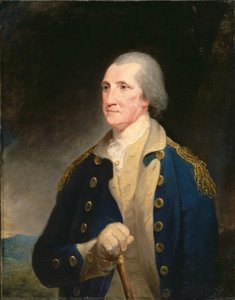
Beyond his allegorical triumphs, Pine’s commitment to documenting the American cause is perhaps most famously realized in his ambitious, though unfinished, work, “Congress Voting Independence.” This monumental composition sought to immortalize the interior of Independence Hall, populating it with the portraits of the signers of the Declaration of Independence. Through this project, Pine attempted to weave together the individual identities of the Founding Fathers into a singular, cohesive narrative of democratic birth. His ability to capture figures like George Washington—specifically in his rare, mature portrait executed at Mt. Vernon—demonstrates his unique capacity to document the human element behind the political icons.
Legacy and Historical Significance
Though his life was cut short in 1788, the legacy of Robert Edge Pine remains an indispensable part of the American artistic canon. He occupied a critical historical interlude, a period between the departure of masters like Copley and the return of Stuart, where his work served as a precious record of a society on the precipice of change. His contributions can be summarized through several enduring impacts:
- Documentary Value: He provided some of the most significant visual records of the American Founding Fathers during their most pivotal moments.
- Allegorical Depth: Through works like “America,” he elevated political struggle into the realm of high art, using symbolism to bolster national morale.
- Technical Bridge: His training in London engraving allowed him to bring a level of meticulous detail and structural integrity to American portraiture that was rare for the time.
Today, the works of Robert Edge Pine are cherished not merely as beautiful objects of art, but as historical windows. They allow us to peer into the very heart of the eighteenth century, witnessing the faces of those who shaped a continent and feeling the pulse of a revolution through the evocative strokes of his brush.
c robert edge pine
1730 - 1788 , United Kingdom
Quick Facts
- Artistic Movement Or Style: Portraiture
- Artists Or Movements Influenced By This Artist: ['Classical Art']
- Artists Who Influenced This Artist: ['John Pine']
- Date Of Birth: London, United Kingdom (1730)
- Date Of Death: Philadelphia, United States (1788)
- Full Name: Robert Edge Pine
- Nationality: British
- Notable Artworks:
- The surrender of Calais to Richard III
- America
- Portraits of George Washington
- Place Of Birth: London
Related Articles

Grant Wood & American Regionalism: Identity, Myth & the Rural Landscape
Explore the world of Grant Wood & American Regionalism with ArtsDot. Discover the symbolism behind 'American Gothic', recurring themes, and the movement's lasting impact on art history. High-quality reproductions available.
American Realism's Defining Works: 10 Masterpieces for Your Home
Explore 10 defining American Realism masterpieces – Hopper, Homer & more. Discover the stories behind these iconic paintings and bring timeless art to your home with ArtsDot's museum-quality reproductions. Explore the full collection online.
Robert W. Salmon: Navigating the Currents of Maritime Painting & American Realism
Explore the captivating maritime paintings of Robert W. Salmon, a pioneer of American Luminism. Discover his Boston Harbor scenes, legacy, and collecting guide at ArtsDot.
Robert Henri & the Spirit of American Realism: A Legacy of Urban Life and Artistic Independence
Explore the life & legacy of Robert Henri, a pivotal figure in American Realism. Discover his captivating portraits, influence on the Ashcan School, and enduring impact on art history. Learn more at ArtsDot.

Hubert Robert: Picturing Ruins, Preserving Memory – A Study of Romantic Antiquarianism & Artistic Innovation
Explore the captivating world of Hubert Robert, master of Romantic landscape painting & 'capriccio' ruins. Discover his historical context, artistic innovations, and collecting insights with ArtsDot.