 Preview
 Send
Send Share
Share
 Details

 Download
 Similars
 X-Ray
X-Ray Diaporama
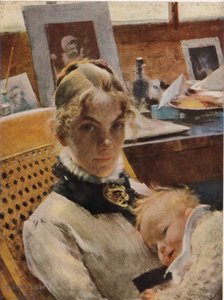
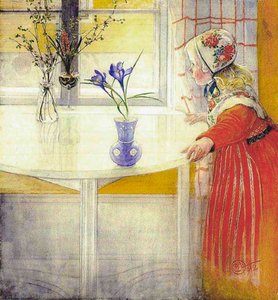
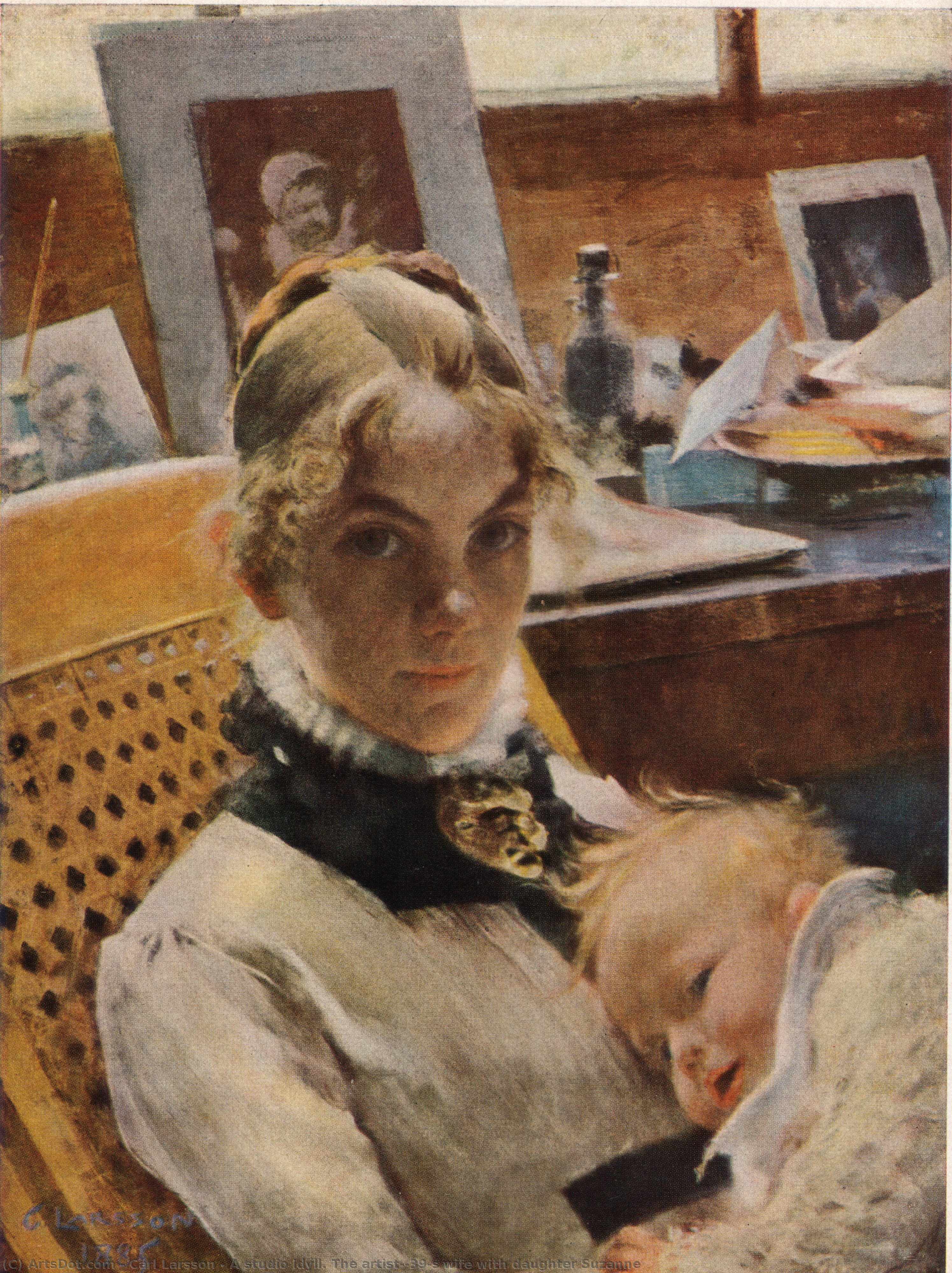
A studio idyll. The artist's wife with daughter Suzanne


 Read More
Hand Made Oil Reproduction
Hand-painted oil on canvas in your size and frame, made to order by our artists. ( Buy Print Buy Image)




P118B $10

P118H $10

P118W $10

P438Z $10

P508JH $12

P508YH $12

P805H $10

P805Z $10

P919BZ $10

P919G $10

P919XJ $10

P959ZH $10

P968JZ $12

W106C $8

W218G $10

W218JH $8

W218Y $10

W307PJ $10

W316G $10

W316PJ $8

W316Y $10

W398PJ $8

W4111J $10

W500HY $15

W500JH $15

W692G $12

W849H $8

W940BG $15

W953PJ $8




Pick from our preset sizes that match the artwork's original proportions.

You may enter your own dimensions to fit a specific frame or space. If your selected size does not match the original image's proportions, we will either crop the artwork or extend the painting with additional hand-painted elements. A digital mockup will be sent for your approval before production begins.
Please note that the on-screen preview does not reflect the actual cropping or extension. Only the mockup will accurately show the final composition.
While custom sizes are available, we recommend selecting a dimension from the predefined list to preserve the original proportions.
After order, ArtsDot.com team will email client for instructions and provide a mockup preview
Worldwide Delivery () in 3/4 weeks instead of standard 5 weeks. (16 August). No compromise on quality.

Free Worldwide Express Shipping

High-Quality Linen Canvas

Full Shipping Insurance

Customs Tax Refund Guarantee

True Color Matching Guarantee

60-Day Return Policy (Defects Only)

100% Money-Back Guarantee

Bulk Discount Offer
 Glass option is only available in size under 110 CM

A studio idyll. The artist's wife with daughter Suzanne
Reproduction Medium
Reproduction Size
-


Total Price
$ 263
Artwork Description
A Portrait of Domestic Tranquility – Exploring Carl Larsson’s “A Studio Idyll”
Carl Larsson’s “A Studio Idyll,” painted in 1885, transcends mere representation; it embodies the very essence of Swedish National Romanticism and offers a poignant glimpse into the burgeoning ideals of family life during the late Victorian era. More than just depicting a scene—a woman cradling her infant daughter amidst a sunlit interior—Larsson’s masterpiece speaks volumes about artistic innovation and the profound influence of nature on creative expression.
- Subject Matter: The painting centers around Suzanne Larsson, Carl Larsson's wife, tenderly holding their newborn child in a chair. Alongside them are two additional figures – presumably members of Larsson’s family – adding to the warmth and intimacy of the composition.
- Style & Technique: Executed in watercolor on paper, “A Studio Idyll” exemplifies Larsson's signature style—characterized by luminous color palettes and meticulous attention to detail. The artist skillfully employs soft brushstrokes to capture the diffused light filtering through the windows, creating an atmosphere of serene calm.
The Influence of William Morris & Arts and Crafts
Larsson’s artistic vision was deeply rooted in the burgeoning Arts and Crafts movement spearheaded by William Morris. Like Morris, Larsson championed handcrafted artistry and rejected industrial mass production, prioritizing beauty and functionality. This ethos is palpable throughout the painting—particularly evident in the carefully chosen furniture and textiles that contribute to the overall harmonious aesthetic.
- Color Palette: The dominant hues are muted yellows, greens, and blues, reflecting the natural light of Sundborn’s garden and conveying a sense of tranquility.
- Composition: Larsson utilizes geometric shapes—primarily squares and rectangles—to frame the central figures and create visual balance. This deliberate structuring underscores the importance of order and simplicity within the domestic sphere.
Symbolism & Emotional Resonance
Beyond its formal elements, “A Studio Idyll” resonates with symbolic significance. The mother’s embrace represents nurturing, protection, and unconditional love—values central to Swedish cultural identity at the time. The presence of the child symbolizes hope for the future and embodies the continuity of family traditions. Furthermore, the inclusion of objects like the dining table and bottles subtly hints at everyday life and reinforces the painting's depiction of a contented familial existence.
- Light & Shadow: Larsson’s masterful use of light—particularly the dappled sunlight illuminating Suzanne and her daughter—creates an emotional depth that transcends mere visual representation.
- Atmosphere: The painting evokes feelings of warmth, comfort, and domestic harmony—a testament to Larsson's ability to capture the intangible essence of human experience.
A Legacy Enduring Through Reproduction
Today, high-quality reproductions of “A Studio Idyll” continue to inspire interior designers and art enthusiasts alike. They serve as a reminder of Sweden’s artistic heritage and offer a captivating glimpse into the values that shaped a nation—values rooted in simplicity, beauty, and the profound connection between family and nature. ArtsDot offers exceptional prints that faithfully capture Larsson's luminous vision.
Related Artworks


Artist Biography
A Life Etched in Light: The World of Carl Larsson
Carl Larsson, a name synonymous with idyllic Swedish domesticity and artistic innovation, emerged from humble beginnings to become one of Scandinavia’s most beloved painters. Born in Stockholm's Old Town in 1853, his early life was far removed from the serene scenes he would later immortalize on canvas. Poverty cast a long shadow over his childhood; his parents struggled financially, and tales of hardship and instability permeated his formative years. Yet, even amidst these difficulties, a spark of artistic talent ignited within young Carl, nurtured by a perceptive teacher who recognized his potential and encouraged him to apply to the Royal Swedish Academy of Arts at just thirteen years old. This marked the beginning of a journey that would not only transform his own life but also redefine perceptions of home and family in Sweden and beyond. His initial experiences at the academy were fraught with insecurity, a sense of being an outsider amongst more privileged peers, but he persevered, finding solace and confidence within the vibrant student community.From Academic Training to Artistic Awakening
Larsson’s artistic development was marked by periods of experimentation and searching for his unique voice. After completing his formal training, he spent several years illustrating books, magazines, and newspapers – a practical necessity but one that didn't fully satisfy his creative aspirations. A pivotal moment arrived with his move to Grez-sur-Loing, an artists’ colony near Paris in 1882. It was here, amidst the camaraderie of fellow Scandinavian artists, that he met Karin Bergöö, who would become his wife and muse. More importantly, it was at Grez that Larsson abandoned oil painting in favor of watercolors – a decision that proved transformative. Watercolor allowed him to capture light and atmosphere with an unprecedented delicacy, perfectly suited to depicting the intimate scenes that would define his oeuvre. This shift wasn’t merely technical; it reflected a growing desire to portray everyday life with honesty and warmth, moving away from the grand historical narratives favored by many of his contemporaries. The influence of Art Nouveau is subtly present in his flowing lines and organic forms, while echoes of the Arts and Crafts movement resonate in his emphasis on handcrafted beauty and the celebration of domesticity.The Lilla Hyttnäs Idyll: A Home as Artwork
The year 1888 witnessed another turning point when Karin’s father gifted the couple a small house named Lilla Hyttnäs in Sundborn, Dalarna. This wasn't just a home; it became a living work of art, meticulously decorated and furnished by Carl and Karin themselves. The interiors, bathed in soft light and filled with handcrafted details, served as both inspiration and subject matter for Larsson’s most celebrated paintings. His depictions of family life – children playing, meals shared, moments of quiet intimacy – resonated deeply with a public yearning for warmth and authenticity. These weren't idealized portrayals; they were honest glimpses into the joys and challenges of raising a large family. Cosy Corner, Matts Bergom Larsson, and countless other watercolors captured the essence of Swedish *hemtrevnad* – a concept encompassing coziness, comfort, and a sense of belonging. The house itself became famous through reproductions of his paintings, influencing interior design trends for generations and shaping the popular image of the ideal Swedish home.Beyond Domestic Bliss: Monumental Works and Lasting Legacy
While Larsson is best known for his intimate domestic scenes, it’s important to remember that he considered his monumental works – frescoes in public buildings – to be his most significant artistic achievement. Midvinterblot (Midwinter Sacrifice), a large-scale painting depicting an ancient Norse religious ceremony, stands as a testament to his ambition and technical skill. Though initially rejected by the National Museum in Stockholm, it eventually found its rightful place within its walls, becoming a symbol of Swedish national identity. However, Larsson’s later years were marred by bouts of depression and ill health. He struggled with feelings of artistic frustration and disappointment, particularly regarding the reception of Midvinterblot. Despite these personal struggles, his influence continued to grow. His work offered a powerful counterpoint to the prevailing academic styles of the time, championing simplicity, honesty, and the beauty of everyday life.A Continuing Influence
Carl Larsson’s legacy extends far beyond the realm of art history. He remains a cultural icon in Sweden, his paintings instantly recognizable and deeply ingrained in the national consciousness. His work continues to inspire artists, designers, and anyone seeking to create spaces that are both beautiful and inviting. The enduring appeal of his paintings lies in their ability to evoke a sense of warmth, nostalgia, and genuine human connection. He captured not just *what* life looked like, but *how it felt* – the simple joys, quiet moments, and unwavering love that define the essence of home. His influence can be seen in countless contemporary interiors, illustrating his lasting impact on our understanding of domestic space and the art of creating a haven from the world. His paintings are not merely depictions of a bygone era; they are timeless celebrations of family, home, and the enduring power of light and love.
Carl Larsson
1853 - 1919 , Sweden
Quick Facts
- Artistic Movement Or Style: Realism, Art Nouveau
- Artists Or Movements Influenced By This Artist: ['Fanny Brate']
- Date Of Birth: May 28, 1853
- Date Of Death: Jan 22, 1919
- Full Name: Carl Larsson
- Nationality: Swedish
- Notable Artworks:
- Midvinterblot
- Cosy Corner
- Matts Bergom Larsson
- Place Of Birth: Stockholm, Sweden
Related Articles
Intimate Interiors: Domestic Life & Artistic Representation from Renaissance to Impressionism
Explore the evolution of domestic life in Western art from the Renaissance to Impressionism. Discover symbolism, realism & artistic techniques shaping intimate interior scenes. Learn more with ArtsDot.
The Interior Gaze: Exploring Representations of Domestic Space in Art History
Explore the fascinating history of domestic interiors in art! From Dutch Masters to Impressionism, discover how artists captured home life & social meaning. Expert analysis and insights at ArtsDot.
The Intimate Sphere: Domesticity & Representation in Western Art
Explore the rich history of domesticity in Western art, from Renaissance courts to Modernist masterpieces. Discover how artists captured everyday life and build your collection with ArtsDot.
Evolving Portraits: Personalized Art as a Chronicle of Family Life Across Generations
Create a timeless family legacy with custom portraits! ArtsDot connects you with skilled artists for heirloom-quality paintings & prints. Explore styles, commission your unique artwork today.
Depicting Kinship: Family Values Across Artistic Movements & Historical Contexts
Explore the rich history of depicting kinship in art! From Dutch Masters to contemporary artists, discover how family values have been represented across movements & time. Expert insights for collectors at ArtsDot.