 Preview
 Send
Send Share
Share
 Details

 Download
 Similars
 X-Ray
X-Ray Diaporama
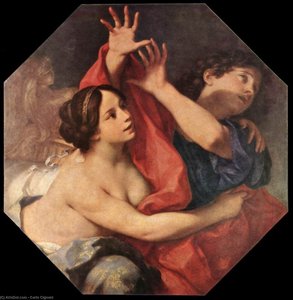
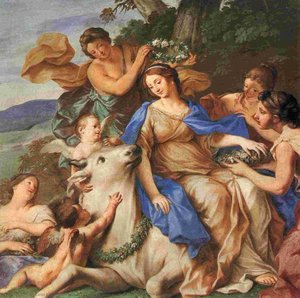
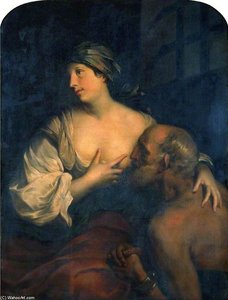
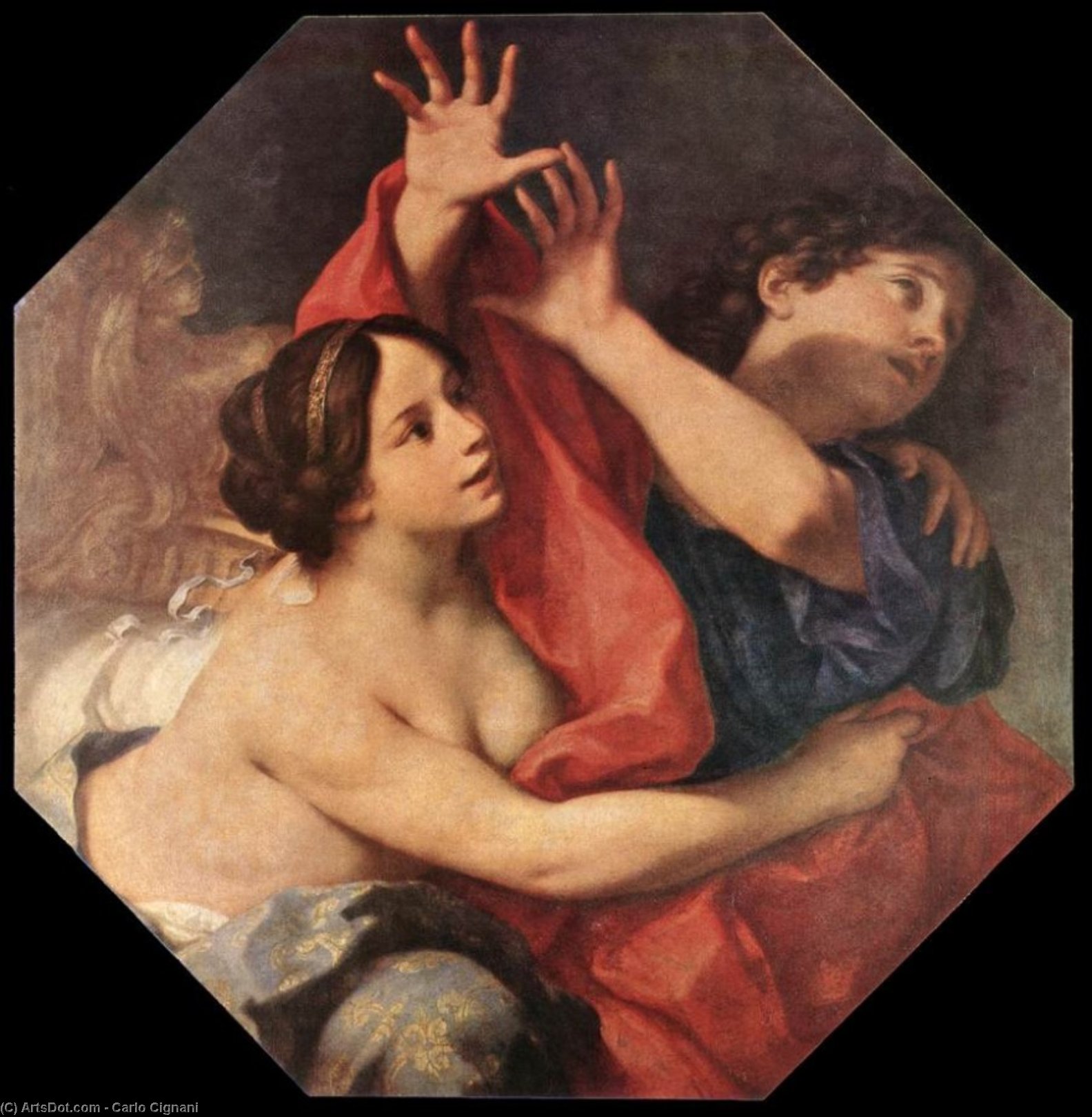
Joseph and Potiphar's Wife
 Oil On Canvas
- WallArt
- Baroque Classicism
 1678
1678 99.0 x 99.0 cm
 Gemäldegalerie
 Read More
Giclée / Art Print
Museum-quality giclée or canvas print with fast production and flexible finish options. ( Buy Hand Made Painting Buy Image)




P118B $10

P118H $10

P118W $10

P438Z $10

P508JH $12

P508YH $12

P805H $10

P805Z $10

P919BZ $10

P919G $10

P919XJ $10

P959ZH $10

P968JZ $12

W106C $8

W218G $10

W218JH $8

W218Y $10

W307PJ $10

W316G $10

W316PJ $8

W316Y $10

W398PJ $8

W4111J $10

W500HY $15

W500JH $15

W692G $12

W849H $8

W940BG $15

W953PJ $8




Pick from our preset sizes that match the artwork's original proportions.

You may enter your own dimensions to fit a specific frame or space. If your selected size does not match the original image's proportions, we will either crop the artwork or extend the image with a mirrored or solid-fill edge. A digital mockup will be sent for your approval before production begins.
Please note that the on-screen preview does not reflect the actual cropping or extension. Only the mockup will accurately show the final composition.
While custom sizes are available, we recommend selecting a dimension from the predefined list to preserve the original proportions.
Worldwide Delivery () in 2 weeks instead of standard 4/5 weeks. (23 August)

Free Worldwide Express Shipping

High-Quality Linen Canvas

Full Shipping Insurance

Customs Tax Refund Guarantee

True Color Matching Guarantee

60-Day Return Policy (Defects Only)

100% Money-Back Guarantee

Bulk Discount Offer
 Glass option is only available in size under 110 CM

Joseph and Potiphar's Wife
Giclée / Art Print
Reproduction Size
-


Total Price
$ 63
Collectible Description
Carlo Cignani’s Gentle Baroque: A Study of “Joseph and Potiphar’s Wife”
Carlo Cignani (1628-1719) stands as a fascinating figure bridging the High Baroque and the emerging Rococo styles. He wasn't a revolutionary like some of his contemporaries, but rather a masterful consolidator, the last great exponent of the Bolognese classicism that had flourished for generations. His art embodies a ‘new manner,’ as it was known – a softening of the dramatic intensity favored by earlier Baroque masters, replaced with an intimate and reflective quality that subtly influenced artists like Guido Reni and Guercino. Cignani’s path wasn't one of radical innovation, but rather of refined elegance and intellectual depth, securing his place as a significant, if sometimes overlooked, figure in 17th-century Italian painting. Details surrounding his early life remain somewhat scarce; we know he came from a noble, though modestly resourced family, and that he would later have both a son, Felice Cignan The fresco “Joseph and Potiphar’s Wife,” completed around 1678, exemplifies this characteristic ‘new manner.’ Unlike the turbulent compositions of Caravaggio or Bernini, Cignani eschews theatrical gestures and overwhelming grandeur. Instead, he presents a scene steeped in quiet emotion—a palpable tension between desire and moral restraint—captured with remarkable sensitivity. The artist’s meticulous attention to detail contributes significantly to the artwork's impact; observe the subtle gradations of color within Potiphar’s wife’s robe, mirroring the nuanced expressions on her face and Joseph’s posture. This deliberate control over form underscores Cignani’s commitment to conveying psychological depth rather than merely depicting a narrative event. Technically speaking, Cignani employed tempera paint on plaster—a technique favored by Bolognese artists during this period—resulting in luminous hues and exceptional durability. The fresco's palette leans towards muted reds and golds, reflecting the prevailing aesthetic sensibilities of the time while simultaneously conveying an aura of solemn contemplation. Furthermore, Cignani skillfully utilized chiaroscuro—the interplay of light and shadow—to sculpt the figures’ forms and heighten their emotional resonance. This masterful manipulation of tonal values draws the viewer's gaze inward, fostering a profound connection with the depicted characters and their predicament. Historically, “Joseph and Potiphar’s Wife” aligns itself squarely within the broader tradition of biblical art—a genre that had undergone considerable transformation since its medieval origins. The fresco reflects the humanist concerns of the Baroque era, prioritizing human experience and psychological realism over stylized representations of divine majesty. However, Cignani's approach diverges from prevailing stylistic trends by prioritizing subtlety and introspection. He avoids overtly didactic pronouncements, allowing viewers to grapple with the moral complexities inherent in the narrative—the allure of forbidden desire versus the sanctity of marital fidelity. Symbolically, the artwork speaks volumes about the anxieties surrounding sexuality and social status prevalent during Cignani’s lifetime. The woman's insistent gaze embodies the pervasive societal pressure on women to conform to idealized standards of beauty and virtue. Joseph’s refusal to succumb to temptation underscores the importance of moral integrity—a value championed by Christian theologians and artists alike. Moreover, the juxtaposition of opulent fabrics and restrained gestures serves as a visual metaphor for the conflict between worldly indulgence and spiritual devotion. Ultimately, “Joseph and Potiphar’s Wife” transcends its narrative content to evoke a powerful emotional response in the viewer. The fresco's melancholic atmosphere—characterized by palpable longing and unspoken regret—captures the essence of human vulnerability. Cignani’s masterful execution ensures that this profound psychological insight remains accessible to audiences across centuries, cementing his legacy as one of the most enduring achievements of Bolognese Baroque art.- Artist: Carlo Cignani
- Birth Year: 1628
- Death Year: 1719
- Birth City: Bologna
- Birth Country: Italy
Related Artworks



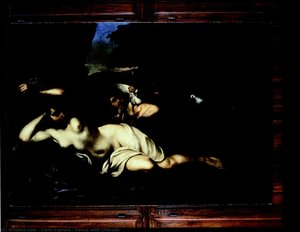


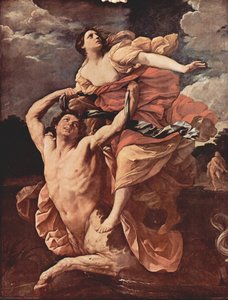
Artist Biography
A Legacy of Gentle Baroque: The Life and Art of Carlo Cignani
Carlo Cignani, born in Bologna around 1630, stands as a fascinating figure bridging the High Baroque and the emerging Rococo styles. He wasn’t a revolutionary like some of his contemporaries, but rather a masterful consolidator, the last great exponent of the Bolognese classicism that had flourished for generations. His art embodies a ‘new manner,’ as it was known – a softening of the dramatic intensity favored by earlier Baroque masters, replaced with an intimate and reflective quality that subtly influenced artists like Guido Reni and Guercino. Cignani’s path wasn't one of radical innovation, but rather of refined elegance and intellectual depth, securing his place as a significant, if sometimes overlooked, figure in 17th-century Italian painting. Details surrounding his early life remain somewhat scarce; we know he came from a noble, though modestly resourced family, and that he would later have both a son, Felice Cignani, also a painter, and a nephew, Paolo Cignani, who followed in the family tradition.Formative Years and Artistic Development
Cignani’s artistic journey began under the tutelage of Battista Cairo, but it was his apprenticeship with Francesco Albani that truly shaped his foundational style. He absorbed Albani's meticulous technique, his vibrant use of color, and his commitment to a polished finish. However, Cignani didn’t simply mimic his master; he possessed an intellectual curiosity that led him to explore other influences. The frescoes of Correggio in the Parma Cathedral profoundly impacted his understanding of composition and chromatic harmony, while Melozzo da Forlì's mastery of perspective ignited his interest in creating illusionistic space. This synthesis of influences allowed Cignani to develop a distinctive voice – one characterized by graceful forms, balanced compositions, and a subtle emotional resonance. He established an *accademia del nudo* in Bologna, demonstrating a dedication to anatomical study and providing instruction to promising young artists, including Giuseppe Maria Crespi, who would become a celebrated painter in his own right.Major Works and Artistic Flourishes
Cignani’s career spanned several decades, producing a diverse body of work encompassing religious scenes, mythological narratives, and portraits. The *Assumption of Saint Rose of Lima*, painted for the church in Forlì, is arguably his most celebrated achievement. This monumental fresco showcases his ability to create dramatic compositions within architectural settings, echoing Correggio’s influence while establishing his own unique style. Other notable works include the *Entry of Paul III into Bologna*, a historical depiction imbued with intellectual gravitas, and *Francis I Touching for Kings Evil*, which demonstrates his skill in portraying royal figures with dignity and sensitivity. He also excelled at ceiling paintings, as evidenced by *The Power of Love*, created in collaboration with Agostino Carracci. His *Adam and Eve* gained international recognition through exhibitions in Dresden and Copenhagen, highlighting the growing demand for his work beyond Italy. Multiple versions of *Joseph and Potiphar's Wife* exist, a testament to the enduring appeal of this biblical theme within his oeuvre.A Lasting Influence on Bolognese Art
Carlo Cignani’s historical significance lies not only in his artistic output but also in his role as a preserver and transmitter of the Bolognese painting tradition. He represented the culmination of a school renowned for its classicism, intellectual rigor, and technical mastery. His commitment to anatomical study, evidenced by his *accademia del nudo*, helped maintain high standards of craftsmanship among aspiring artists. Beyond Crespi, he mentored Paolo Antonio Paderna and Sante Vandi, further contributing to the development of Bolognese art. His work found a home in prominent collections across Europe, including Dresden and Copenhagen, solidifying his international reputation. Today, several of his paintings are preserved in the Pinacoteca Civica in Forlì, ensuring that future generations can appreciate his artistry. Though he may not be as widely recognized as some of his Baroque contemporaries, Carlo Cignani remains a vital figure in art history – a master of gentle Baroque whose legacy continues to inspire and captivate. His later years were spent continuing to work diligently, including painting the *Aurora* at Circolo della Scranna in Forlì, and completing the *Incoronazione di Santa Rosa (Coronation of Saint Rose of Lima)* for the Pinacoteca Civica before his death sometime after 1719.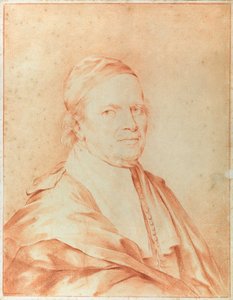
Carlo Cignani
1628 - 1719 , Italy
Quick Facts
- Artistic Movement Or Style: Baroque
- Artists Or Movements Influenced By This Artist:
- Crespi
- Paderna
- Vandi
- Artists Who Influenced This Artist:
- Correggio
- Melozzo da Forlì
- Albani
- Carracci
- Date Of Birth: 1628
- Date Of Death: 1719
- Full Name: Carlo Cignani
- Nationality: Italian
- Notable Artworks:
- Assumption of Saint Rose
- Entry of Paul III
- Francis I Touching
- Power of Love
- Adam and Eve
- Joseph & Potiphar's Wife
- Place Of Birth: Bologna, Italy
Related Articles

The Fresco as Family Legacy: Preserving Heritage Through Wall Art
Explore the rich history & enduring legacy of fresco painting. Discover how to preserve family heritage through stunning wall art. Expert insights & restoration guidance.

The Enduring Legacy of Fresco Painting: Techniques, History & Contemporary Relevance
Explore the rich history & enduring artistry of fresco painting – from Giotto to Michelangelo! Discover techniques, conservation efforts, & modern applications. Learn how ArtsDot brings this timeless art form to your home.

The Enduring Legacy of Fresco: Technique, History & Artistic Expression Across Cultures
Explore the rich history & enduring legacy of fresco painting! Discover ancient techniques, Giotto's masterpieces, and modern applications. Expert insights for art lovers & professionals.
Decoding Baroque Grandeur: A Guide to the Drama and Emotion of 17th-Century Art
Explore the breathtaking drama of 17th-century Baroque art. Our expert guide decodes the use of chiaroscuro, emotional intensity, and historical grandeur to help you appreciate and curate timeless masterpieces for your collection.

Art That Lives With You: The Emotional Power of a Custom Interior Fresco
Discover the emotional power & timeless beauty of custom interior frescoes. Explore history, design tips & expert guidance from – creating lasting legacies.