 Preview
 Send
Send Share
Share
 Details

 Download
 Similars
 X-Ray
X-Ray Diaporama
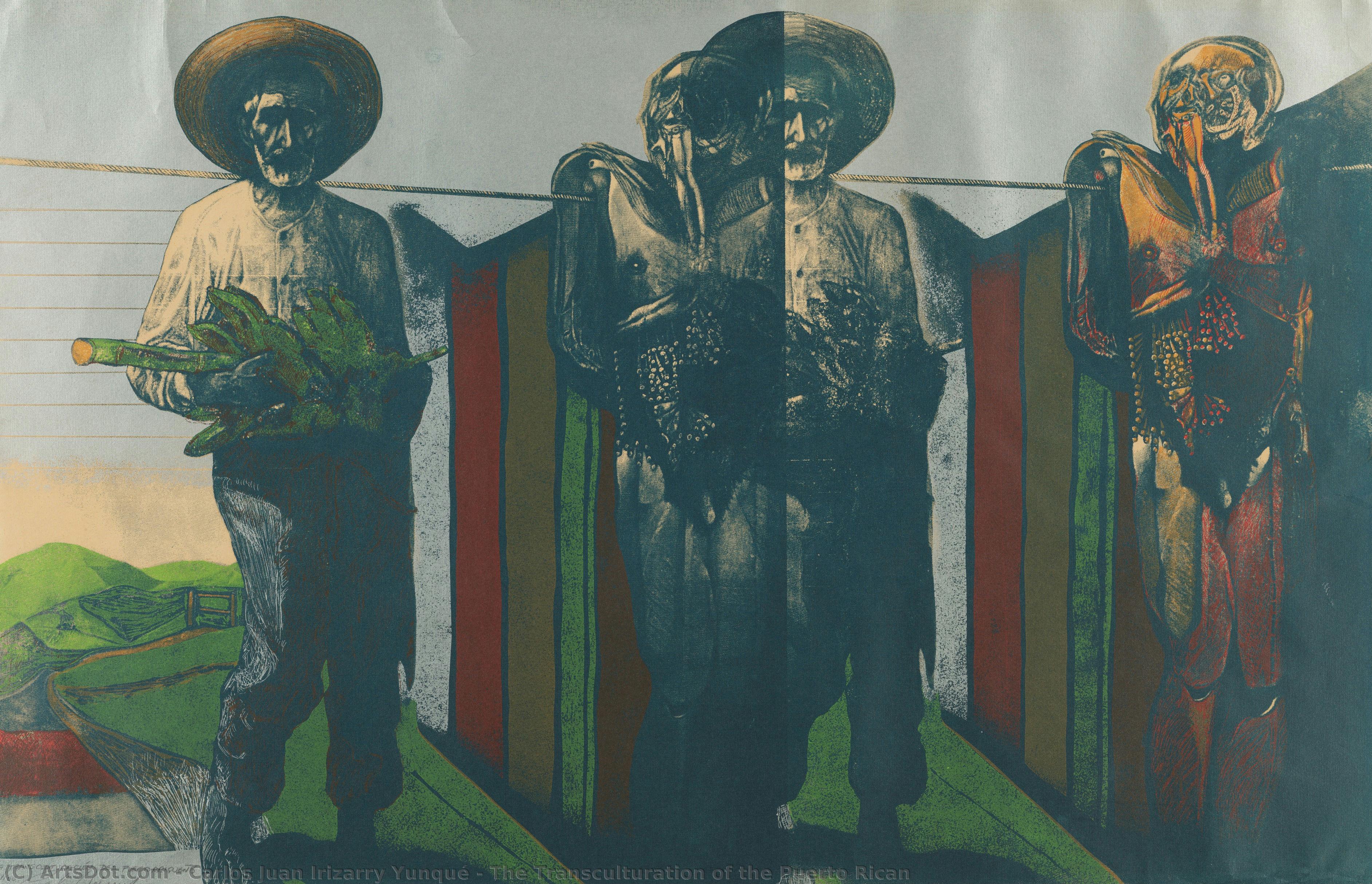
The Transculturation of the Puerto Rican


 Read More
Hand Made Oil Reproduction
Hand-painted oil on canvas in your size and frame, made to order by our artists. ( Buy Print Buy Image)




































Pick from our preset sizes that match the artwork's original proportions.

You may enter your own dimensions to fit a specific frame or space. If your selected size does not match the original image's proportions, we will either crop the artwork or extend the painting with additional hand-painted elements. A digital mockup will be sent for your approval before production begins.
Please note that the on-screen preview does not reflect the actual cropping or extension. Only the mockup will accurately show the final composition.
While custom sizes are available, we recommend selecting a dimension from the predefined list to preserve the original proportions.
After order, ArtsDot.com team will email client for instructions and provide a mockup preview
Worldwide Delivery () in 3/4 weeks instead of standard 5 weeks. (4 September). No compromise on quality.

Free Worldwide Express Shipping

High-Quality Linen Canvas

Full Shipping Insurance

Customs Tax Refund Guarantee

True Color Matching Guarantee

60-Day Return Policy (Defects Only)

100% Money-Back Guarantee

Bulk Discount Offer
 Glass option is only available in size under 110 CM

The Transculturation of the Puerto Rican
Reproduction Medium
Reproduction Size
-


Total Price
$ 313
Related Artworks
Artist Biography
Lucian Freud: A Portrait of the Soul
Lucian Michael Freud (1922-2011) remains one of the most compelling and challenging figures in 20th-century British art. More than simply a portrait painter, Freud offered an intensely intimate and often unsettling glimpse into the lives and psyches of his subjects – friends, family, lovers, and even strangers. His work, characterized by its thick impasto, stark realism, and profound psychological depth, continues to provoke debate and admiration decades after its creation. Born in Berlin amidst the turbulent backdrop of the Weimar Republic, Freud’s early life was shaped by a complex familial history rooted in psychoanalysis and a subsequent emigration to London during the rise of Nazism.
Freud's artistic journey began with an initial flirtation with surrealism, influenced by the vibrant Parisian art scene. However, he quickly gravitated towards a more direct and unflinching approach, developing a distinctive style that prioritized observation and emotional resonance over stylistic innovation. His early works, such as Portrait of Kitty (1948-49), already hinted at the raw honesty and vulnerability that would become hallmarks of his mature oeuvre. This piece, depicting his then-lover Kitty Leibovitz, established a precedent for his future portraits – intimate studies capturing not just physical likeness but also the subtle nuances of personality and mood.
The 1950s marked a crucial period in Freud’s development as he began to refine his technique and explore new subject matter. He moved away from overtly decorative or stylized approaches, embracing a more austere and confrontational style. His portraits became increasingly characterized by their starkness, often depicting subjects in dimly lit interiors or engaged in mundane activities. This shift reflected a growing interest in the darker aspects of human experience – loneliness, isolation, and repressed emotions. His work during this time was heavily influenced by the School of London, a group of British artists who rejected academic traditions and sought to develop a distinctly modern visual language.
A pivotal moment in Freud’s career arrived with the creation of Benefits Supervisor Sleeping (1995), a monumental portrait of model Joy Division. This painting, initially met with controversy for its unflinching depiction of a working-class woman's body, ultimately became one of the most celebrated works of his entire career. It demonstrated Freud’s ability to transform ordinary subjects into objects of profound artistic contemplation, revealing hidden depths and complexities within seemingly unremarkable lives. The scale of the painting itself – nearly 10 feet tall and 8 feet wide – further emphasized its immersive quality, enveloping the viewer in the subject's world.
Throughout his long and prolific career, Freud remained a notoriously private individual, often demanding extended sittings from his models. This deliberate process fostered an intense connection between artist and subject, resulting in portraits that are remarkably revealing and emotionally charged. His influence on subsequent generations of portrait artists is undeniable, and his work continues to be studied and admired for its psychological acuity, technical mastery, and unwavering commitment to capturing the essence of human experience. Lucian Freud’s legacy lies not just in the paintings themselves, but in their ability to force us to confront our own perceptions of beauty, truth, and vulnerability.
Key Influences
- Surrealism: Early exposure to surrealist ideas influenced his initial approach to painting, particularly regarding composition and the exploration of subconscious imagery.
- The School of London: This group of British artists—David Bomberg, Henry Moore, Ben Nicholson, Christopher Richard Wynne-Turner—provided a crucial context for Freud’s development, encouraging him to reject academic conventions and embrace a more personal and expressive style.
- Sigmund Freud: His father's profession as a psychoanalyst undoubtedly shaped his artistic sensibilities, fostering an interest in the complexities of the human psyche and the power of the unconscious.
- Portraiture Tradition: While rejecting traditional conventions, Freud was deeply aware of the rich history of portraiture, drawing upon it to create works that are both historically informed and strikingly original.
Major Works
- Portrait of Kitty (1948-49)
- Self-Portrait with a Pipe (1960)
- Benefits Supervisor Sleeping (1995)
- Jane Heseltine (1973)
- Numerous portraits of family members and friends, including his son David Freud.
Historical Significance
Lucian Freud’s work represents a significant departure from the prevailing artistic trends of his time. He rejected the idealized representations favored by many of his contemporaries, opting instead for a brutally honest and unflinching portrayal of human subjects. His portraits challenged conventional notions of beauty and glamour, offering a more complex and nuanced understanding of the human condition. Freud’s influence extends beyond the realm of painting, impacting contemporary portraiture and shaping our perception of how we represent ourselves and others in art.
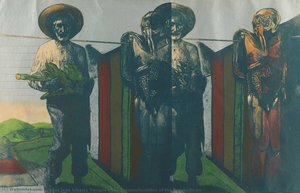
carlos juan irizarry yunqué
1922 - 2015 , Puerto Rico
Quick Facts
- Artistic Movement Or Style: Figurative art, Portraiture
- Artists Or Movements Influenced By This Artist:
- David Hockney
- Francis Bacon
- Artists Who Influenced This Artist:
- Surrealism
- Expressionism
- Date Of Birth: 8 December 1922
- Date Of Death: 20 July 2011
- Full Name: Lucian Michael Freud
- Nationality: British
- Notable Artworks:
- Benefits Supervisor Sleeping
- Portrait of Kitty
- Figure with Spread Leg
- Place Of Birth: Berlin, Germany
Related Articles
The Enduring Legacy of Printmaking: Techniques, Themes & Artistic Innovation Across Centuries
Explore the rich history of printmaking with ArtsDot. Discover techniques from intaglio to lithography, learn about collecting valuable prints & find museum-quality reproductions. Expert insights for art enthusiasts and collectors.
Carlo Crivelli: Mysticism & Materiality in Renaissance Venice
Explore the captivating world of Carlo Crivelli, a Renaissance master blending Gothic detail with profound symbolism. Discover his unique style & lasting influence on Venetian art history.
Carlo Carrà: Futurist Visions & Metaphysical Transformations in Early 20th-Century Italian Painting
Explore the artistic journey of Carlo Carrà, a pivotal figure in Italian Futurism & Metaphysical painting. Discover his dynamic compositions, collaborations with de Chirico, and lasting influence on modern art history.
The Enduring Legacy of Woodblock Printmaking: Technique, History & Artistic Expression
Explore the rich history of woodblock printmaking – from ancient techniques to Ukiyo-e masterpieces. Discover expert insights on collecting, preserving & appreciating this enduring art form.
Charles Martin Hardie: A Pioneer of Colour Woodcut & British Printmaking Revival
Discover Charles Martin Hardie (1858-1916), a pivotal Scottish artist renowned for his evocative portraits and pioneering colour woodcut technique. Explore his life, work, and lasting influence on British printmaking.