 Preview
 Send
Send Share
Share
 Details

 Download
 Similars
 X-Ray
X-Ray Diaporama
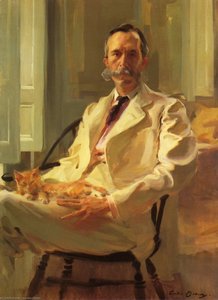
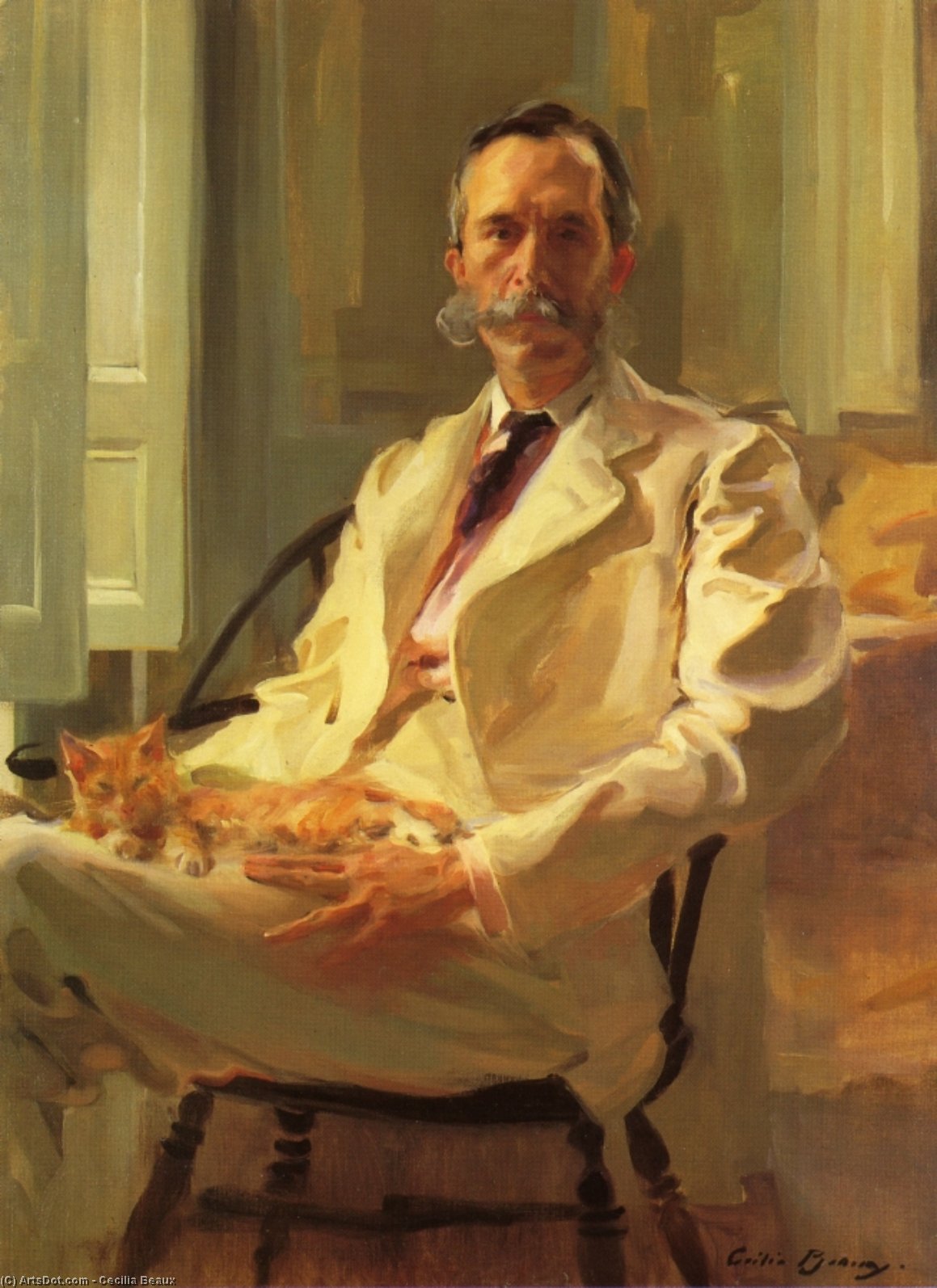
Man with the Cat (Henry Sturgis Drinker)


 Read More
Hand Made Oil Reproduction
Hand-painted oil on canvas in your size and frame, made to order by our artists. ( Buy Print Buy Image)




P118B $10

P118H $10

P118W $10

P438Z $10

P508JH $12

P508YH $12

P805H $10

P805Z $10

P919BZ $10

P919G $10

P919XJ $10

P959ZH $10

P968JZ $12

W106C $8

W218G $10

W218JH $8

W218Y $10

W307PJ $10

W316G $10

W316PJ $8

W316Y $10

W398PJ $8

W4111J $10

W500HY $15

W500JH $15

W692G $12

W849H $8

W940BG $15

W953PJ $8




Pick from our preset sizes that match the artwork's original proportions.

You may enter your own dimensions to fit a specific frame or space. If your selected size does not match the original image's proportions, we will either crop the artwork or extend the painting with additional hand-painted elements. A digital mockup will be sent for your approval before production begins.
Please note that the on-screen preview does not reflect the actual cropping or extension. Only the mockup will accurately show the final composition.
While custom sizes are available, we recommend selecting a dimension from the predefined list to preserve the original proportions.
After order, ArtsDot.com team will email client for instructions and provide a mockup preview
Worldwide Delivery () in 3/4 weeks instead of standard 5 weeks. (16 August). No compromise on quality.

Free Worldwide Express Shipping

High-Quality Linen Canvas

Full Shipping Insurance

Customs Tax Refund Guarantee

True Color Matching Guarantee

60-Day Return Policy (Defects Only)

100% Money-Back Guarantee

Bulk Discount Offer
 Glass option is only available in size under 110 CM

Man with the Cat (Henry Sturgis Drinker)
Reproduction Medium
Reproduction Size
-


Total Price
$ 263
Artwork Description
A Moment of Quietude: The Soul of Cecilia Beaux
In the grand tapestry of American Gilded Age portraiture, few threads shine with as much warmth and psychological depth as the work of Cecilia Beaux. Her 1898 masterpiece, Man with the Cat (Henry Sturgis Drinker), serves as a profound window into a bygone era of domestic elegance and quiet intimacy. This oil on canvas, currently held in the prestigious Smithsonian American Art Museum, transcends the mere recording of a likeness; it captures a fleeting, tender heartbeat between man and companion. As we gaze upon the subject, Henry Sturgist Drinker, we are not merely observing a gentleman of status, but rather witnessing a private moment of repose that feels remarkably modern in its emotional accessibility.
The painting is a masterclass in the use of light and atmosphere to evoke a sense of sanctuary. Beaux employs a palette dominated by rich, autumnal tones—creams, beiges, deep browns, and shimmering golds—that wrap the viewer in a blanket of warmth. The lighting, reminiscent of soft natural light filtering through a high window, dances across the textures of the man's coat and the delicate fur of his ginger cat. This careful manipulation of light does more than define form; it establishes a mood of profound comfort and domestic peace. The background, softly blurred in a technique that hints at Impressionistic influence, pushes the subject forward, creating a shallow perspective that pulls the observer into the very circle of intimacy shared by the man and his feline friend.
Technique and the Art of Texture
To behold this work is to appreciate the meticulous hand of an artist who understood the language of touch. Beaux’s technique involves a sophisticated layering of oil paints, building up a surface that possesses its own tactile reality. One can almost feel the weight of the heavy fabric in the man's attire and the soft, rhythmic pulse of the cat's breathing through the visible, deliberate brushstrokes. The artist’s ability to balance precise, detailed rendering with a certain painterly softness allows the piece to breathe, preventing the realism from becoming static or cold.
For the discerning collector or interior designer, this painting offers an unparalleled opportunity to introduce a sense of historical gravity and soulful warmth into a living space. The organic shapes—the gentle curve of the man's face, the relaxed posture of the cat, and the soft contours of the chair—work in harmony to create a composition that is both balanced and inviting. It is a piece that does not demand attention through loud colors or jarring movements, but rather commands it through a quiet, undeniable presence.
Symbolism and Lasting Legacy
Beyond its aesthetic brilliance, Man with the Cat carries subtle layers of symbolism regarding companionship and the sanctity of the home. The cat, nestled trustingly in the man's lap, serves as a symbol of peace and the untamed spirit brought into harmony with civilization. There is a profound sense of "home" embedded in the composition, suggesting that true wealth and status are found not just in the fine furniture or the gentleman's dignified bearing, but in the capacity for tenderness and connection.
As an exemplar of late 19th-century American art, this painting remains a vital touchstone for anyone seeking to understand the evolution of portraiture. It stands as a testament to Cecilia Beaux’s ability to capture the essence of her subjects—not just their outward appearance, but their inner temperament. Whether displayed in a sunlit library or a sophisticated study, a high-quality reproduction of this work brings with it the enduring spirit of the Gilded Age, offering a timeless invitation to pause, reflect, and find beauty in the quietest moments of life.
Related Artworks
Artist Biography
A Life Illuminated: The World of Cecilia Beaux
Cecilia Beaux, born Eliza Cecilia Beaux on May 1st, 1855, in Philadelphia, emerged as a pivotal figure in American portraiture during the Gilded Age. Her story is one woven with threads of personal tragedy, determined self-reliance, and an unwavering commitment to artistic excellence. The shadow of early loss fell upon her life when her mother succumbed to puerperal fever just twelve days after Beaux’s birth, leaving a void that would subtly shape her perspective. Raised by her maternal grandmother and aunts in Philadelphia, she experienced a childhood marked by both stability and the quiet absence of parental guidance. Her father, unable to cope with his grief, returned to France for extended periods, creating a somewhat detached familial dynamic. Yet, within this framework, Beaux’s artistic inclinations were nurtured, initially through lessons with her relative Catherine Ann Drinker, an accomplished artist who served as an early role model and mentor. These formative years instilled in her not only technical skills but also a profound understanding of the dedication required to pursue a life devoted to art.Forging a Path: Education and Early Influences
Beaux’s artistic education continued under Francis Adolf van der Wielen, where she honed her skills in perspective and drawing from casts. However, the societal constraints of the Victorian era presented significant obstacles for aspiring female artists; direct study of anatomy was largely denied to women until much later in her career. Undeterred, Beaux persevered, securing a place at the prestigious Pennsylvania Academy of the Fine Arts in 1876. While she maintained a degree of independence from the fervent followers of Thomas Eakins, his progressive teaching philosophy undeniably influenced her approach to art. It was during this period that Beaux began to establish herself as a skilled portraitist, winning several Mary Smith Prizes at the Pennsylvania Academy exhibitions between 1885 and 1892 – accolades that signaled her rising talent and recognition within the artistic community. A crucial turning point came with her decision to study in Paris in 1888, immersing herself in the European art scene and absorbing influences from academic masters like Tony Robert-Fleury and William-Adolphe Bouguereau, as well as the burgeoning Impressionist movement exemplified by artists such as Édouard Manet and Edgar Degas. This exposure broadened her artistic horizons and refined her technique, laying the foundation for her distinctive style.A Master of Society Portraiture
Upon returning to Philadelphia, Cecilia Beaux quickly ascended to prominence as a sought-after portraitist, capturing the essence of America’s social and intellectual elite with remarkable sensitivity and skill. Her portraits weren't merely likenesses; they were insightful studies of character, imbued with psychological depth and an elegant aesthetic sensibility. She possessed an extraordinary ability to convey not only the physical appearance but also the inner lives of her subjects. Her masterpiece, *Portrait of Harriet Sears Amory* (1892), exemplifies this mastery. Executed with bravura brushstrokes and a heavy impasto reminiscent of Impressionism, it showcases Beaux’s technical prowess and her ability to capture both the grandeur and vulnerability of her sitter. Along with John Singer Sargent and William Merritt Chase, Beaux became one of the leading portraitists in the United States at the turn of the twentieth century. Chase himself famously declared her “not only the greatest living woman painter, but the best that has ever lived,” a testament to the high regard she held within artistic circles. Her clientele included prominent figures such as First Lady Edith Roosevelt, Admiral Sir David Beatty, and Georges Clemenceau, solidifying her reputation as a chronicler of the Gilded Age.Legacy and Enduring Influence
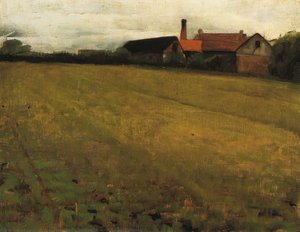
Cecilia Beaux’s contributions extended beyond her captivating portraits; she also broke barriers for women in the art world. She was the first woman to teach at the Pennsylvania Academy of the Fine Arts, paving the way for future generations of female artists. Her dedication to her craft earned her numerous accolades, including a gold medal from the National Institute of Arts and Letters and recognition from Eleanor Roosevelt as “the American woman who had made the greatest contribution to the culture of the world.” Her works are now held in esteemed collections such as The Westmoreland Museum of American Art and the Pennsylvania Academy of the Fine Arts, ensuring her legacy endures for generations to come. Beaux’s art continues to resonate with viewers today, offering a glimpse into a bygone era while simultaneously celebrating the enduring power of human connection and artistic expression. Landscape with Farm Building, painted in 1888, demonstrates her skill beyond portraiture, showcasing an evocative Impressionistic style applied to rural American life. Her ability to seamlessly blend technical mastery with emotional depth cemented her place as a significant figure in the history of American art, and continues to inspire artists and art lovers alike.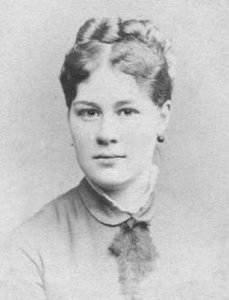
Cecilia Beaux
1855 - 1942 , United States of America
Quick Facts
- Artistic Movement Or Style: Impressionism, Portraiture
- Artists Who Influenced This Artist:
- Thomas Eakins
- John Singer Sargent
- Date Of Birth: May 1, 1855
- Date Of Death: 1942
- Full Name: Cecilia Beaux
- Nationality: American
- Notable Artworks:
- Harriet Sears Amory
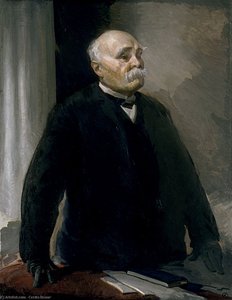
- Georges Clemenceau
- Man with the Cat
- Place Of Birth: Philadelphia, USA
Related Articles
Henri Matisse's Masterpieces: Explore 25 Iconic Paintings & Art Decor Ideas
Journey through Henri Matisse's 25 most iconic paintings! Explore Fauvism, vibrant colors & the stories behind masterpieces like 'The Dance'. Find museum-quality art reproductions and curated decor ideas to elevate your space. Discover all masterpieces on ArtsDot.com.

The Enduring Legacy of Oil on Canvas: Technique, History & Aesthetic Impact
Explore the rich history & techniques of oil painting – from Renaissance masters to Impressionism. Discover pigments, layering methods, and why this timeless medium endures. Expert insights for artists & art enthusiasts.

Oil on Canvas: A Historical & Technical Exploration of a Timeless Artistic Medium
Explore the rich history & enduring techniques of oil painting on canvas. Discover the science behind its longevity, conservation practices, and contemporary relevance. Expert insights for art enthusiasts.

The Enduring Power of Painting: A Historical & Contemporary Exploration of Form and Emotion
Explore the rich history & enduring techniques of oil painting with ArtsDot. Discover masterpieces, learn about art collecting, and find authentic handmade reproductions crafted by skilled artists.

The Enduring Legacy of Oil on Canvas: Technique, History & Contemporary Practice
Explore the rich history & enduring techniques of oil painting on canvas. Discover the science behind its longevity, conservation practices, and contemporary relevance. Expert insights for art enthusiasts.