 Preview
 Send
Send Share
Share
 Details

 Download
 Similars
 X-Ray
X-Ray Diaporama
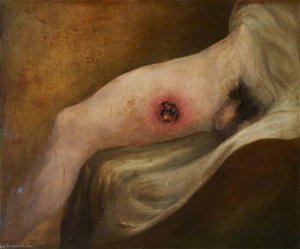
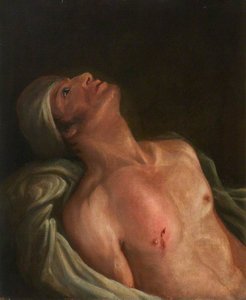
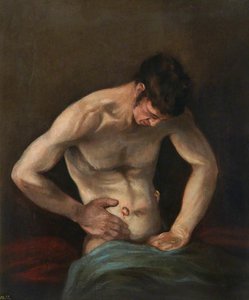
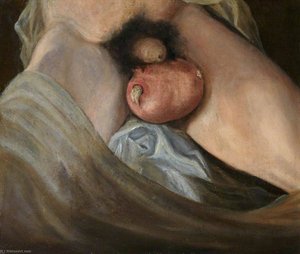
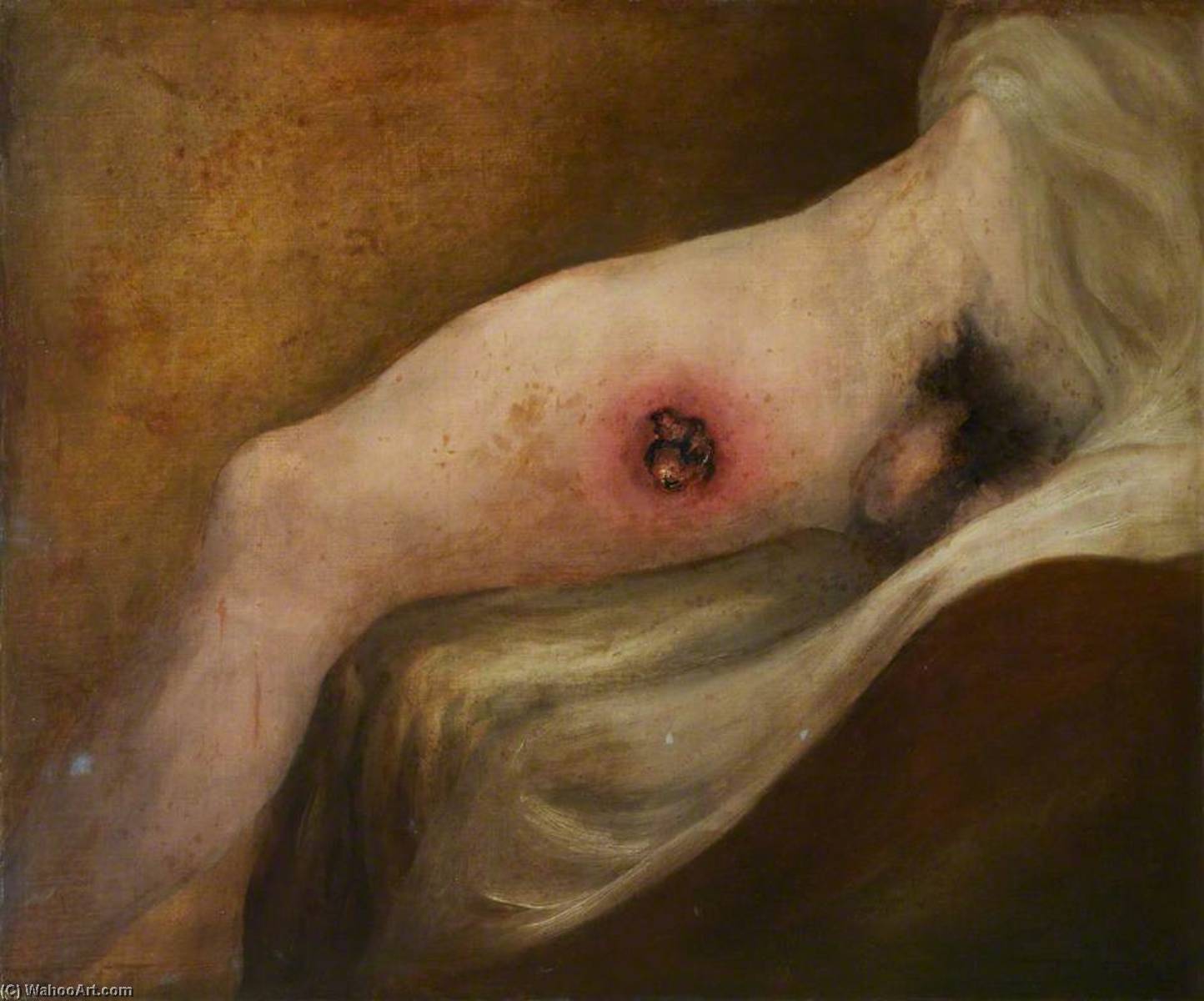
The Wounded following the Battle of Corunna Gunshot Wound of Thigh
 Oil
Oil- WallArt
 1809
1809- 19th Century
 62.0 x 74.0 cm
 The Royal College of Surgeons of Edinburgh
 Read More
Giclée / Art Print
Museum-quality giclée or canvas print with fast production and flexible finish options. ( Buy Hand Made Painting Buy Image)




































Pick from our preset sizes that match the artwork's original proportions.

You may enter your own dimensions to fit a specific frame or space. If your selected size does not match the original image's proportions, we will either crop the artwork or extend the image with a mirrored or solid-fill edge. A digital mockup will be sent for your approval before production begins.
Please note that the on-screen preview does not reflect the actual cropping or extension. Only the mockup will accurately show the final composition.
While custom sizes are available, we recommend selecting a dimension from the predefined list to preserve the original proportions.
Worldwide Delivery () in 2 weeks instead of standard 4/5 weeks. (3 September)

Free Worldwide Express Shipping

High-Quality Linen Canvas

Full Shipping Insurance

Customs Tax Refund Guarantee

True Color Matching Guarantee

60-Day Return Policy (Defects Only)

100% Money-Back Guarantee

Bulk Discount Offer
 Glass option is only available in size under 110 CM

The Wounded following the Battle of Corunna Gunshot Wound of Thigh
Giclée / Art Print
Reproduction Size
-


Total Price
$ 63
A Visceral Encounter with History
In the hauntingly detailed canvas of "The Wounded following the Battle of Corunna Gunshot Wound of Thigh," we are thrust into the raw, unvarnished reality of Napoleonic-era warfare. Painted in 1809, this work serves as a profound window into the physical and psychological toll of conflict. The composition centers on a man in a moment of agonizing vulnerability; his leg, propped up upon a makeshift seat, bears the gruesome evidence of a musket ball's impact. Through a masterful application of light and shadow, the artist captures the unsettling presence of infection, where the visceral depiction of pus and swelling forces the viewer to confront the grim biological consequences of battle. It is not merely a portrait of an injury, but a profound meditation on human fragility amidst the grand, often romanticized narratives of military glory.
The atmosphere of the painting is thick with a heavy, somber stillness. While the foreground focuses on the immediate trauma of the wound, the background introduces a sense of depth and narrative complexity. Two figures linger in the periphery—one standing close to the left, perhaps a medic or a companion, and another receding into the distance on the right—creating a sense of a larger, bustling, yet weary medical encampment. A curious detail, an object resembling a bird in the upper-right corner, adds a layer of surrealist tension or perhaps a symbolic nod to the fleeting nature of life, contrasting the permanence of death with the movement of the natural world.
Mastery of Realism and Emotional Resonance
The technique employed in this piece reflects a commitment to a stark, unflinching realism that predates the modern era's obsession with the grotesque. The brushwork is deliberate, used to sculpt the textures of skin, fabric, and the morbid details of the wound itself. This level of precision ensures that the viewer does not merely look at the painting but feels the weight of the scene. For the discerning collector or interior designer, this artwork offers a powerful focal point that commands attention through its sheer emotional gravity. It is a piece that demands a space for contemplation, making it an ideal acquisition for those looking to introduce a sense of historical depth and intellectual rigor into a curated collection.
Beyond its technical prowess, the painting functions as a poignant symbol of the human condition. It strips away the uniforms and the flags of the Battle of Corunna to reveal the universal truth of suffering. The contrast between the man's relative physical repose on the couch and the active, spreading decay of his wound creates a psychological tension that is both unsettling and deeply moving. To possess a high-quality reproduction of this work is to hold a piece of history that speaks volumes about resilience, the cost of ambition, and the enduring power of art to document the most difficult chapters of our shared human experience.
Related Artworks
Artist Biography
A World Rendered in Miniature: The Life and Art of Charles Bell
Charles Bell, born in Tulsa, Oklahoma, in 1935, emerged as a pivotal figure within the Photorealist movement, though his path to artistic recognition was remarkably unconventional. Unlike many of his contemporaries who formally studied art, Bell’s journey began with an early inclination towards visual representation, nurtured by drawing and painting lessons provided by Scottish painter David Allan. This foundational training, coupled with a keen observational eye, would later prove instrumental in his meticulous approach to capturing the world around him. His initial academic pursuits led him down a different path—a degree in Business Administration from the University of Oklahoma followed by service in the U.S. Navy—before he fully embraced his artistic calling. It wasn’t until settling in New York City in 1967 that Bell dedicated himself entirely to painting, establishing a studio where he would meticulously craft images that blurred the lines between reality and representation.From Still Life to Symbolic Narrative
Bell's artistic signature lies in his large-scale depictions of everyday objects—vintage toys, pinball machines, gumball dispensers, dolls, and action figures—rendered with an almost obsessive attention to detail. He didn’t seek to merely replicate these items; rather, he elevated them, transforming the mundane into something monumental and imbued with a sense of nostalgia and wonder. His process was deeply rooted in photography. Bell would carefully arrange his subjects in still life compositions, photograph them, and then painstakingly translate those images onto canvas using oil paints. The resulting works possess a glass-like clarity, an almost hyperreal quality that invites viewers to examine the textures, reflections, and intricate details of these familiar objects with newfound appreciation. But beyond technical mastery, Bell’s art held a deeper resonance. He frequently drew inspiration from Classical mythology, reimagining iconic scenes—such as the Judgement of Paris—using action figures as stand-ins for gods and goddesses. This juxtaposition of high art and pop culture created a unique visual language, imbuing his work with layers of meaning and inviting contemplation on themes of consumerism, memory, and the enduring power of narrative.Recognition and Legacy
Throughout the 1970s and 80s, Bell’s work gained increasing recognition within the art world. He exhibited regularly at the Louis K. Meisel Gallery in New York, a key venue for showcasing Photorealist artists, and his paintings were included in prestigious group exhibitions such as “Photo-Realism 1973” and "American Masters." His dedication to technical precision and innovative approach earned him critical acclaim, with art critic Henry Geldzahler particularly praising his pinball series as a landmark achievement. Bell’s commitment to pushing the boundaries of printmaking was also evident in his creation of “The Viking,” a complex silkscreen print that demanded extensive effort and numerous proofings—a testament to his unwavering pursuit of perfection. Today, his works are held in prominent collections including The Metropolitan Museum of Art, The Solomon R. Guggenheim Museum, and the Smithsonian American Art Museum, solidifying his place as a significant figure in contemporary art history. Following his death in 1995, Louis K. Meisel acquired all intellectual property rights to Bell’s body of work, ensuring that his artistic vision would continue to be preserved and celebrated for generations to come.A Lasting Influence
Charles Bell's impact extends beyond the aesthetic qualities of his paintings. He demonstrated a unique ability to find beauty and significance in the commonplace, challenging conventional notions of subject matter and elevating popular culture to the realm of fine art. His meticulous technique and unwavering dedication to realism influenced countless artists, inspiring them to explore new possibilities within the genre. Bell’s work serves as a reminder that art can be found in unexpected places, and that even the most ordinary objects can hold profound meaning when viewed through the lens of artistic vision. He left behind a legacy not only of stunning visual imagery but also of intellectual curiosity, technical innovation, and a deep appreciation for the power of representation.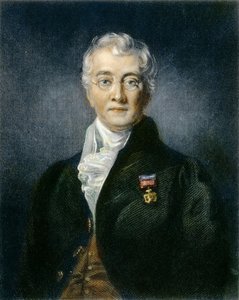
Charles Bell
1935 - 1995 , United States of America
Quick Facts
- Artistic Movement Or Style: Photorealism
- Artists Who Influenced This Artist:
- Richard Diebenkorn
- Wayne Thiebaud
- Date Of Birth: 1935
- Date Of Death: 1995
- Full Name: Charles Bell
- Nationality: American
- Notable Artworks:
- Kandy Kane Rainbow
- Untitled (ARCVFK)
- The Viking
- Place Of Birth: Tulsa, USA
Related Articles
Romantic Realism's Finest: 10 Masterpieces for Your Home | ArtsDot
Explore 10 defining masterpieces of Romantic Realism! Discover Courbet, Millet & Daumier's powerful paintings—capturing emotion and social realities. Find museum-quality reproductions for your home at ArtsDot.com.
Echoes of Society: Exploring Social Realism's Enduring Legacy in Art
Explore the powerful world of Social Realism art! Discover key artists, masterpieces & its profound social commentary. Expert insights into this influential movement's history and enduring legacy.
The Evocative Embrace of Reality: Exploring Romantic Realism in 19th-Century Painting
Explore the captivating world of Romantic Realism! Discover key artists like Courbet & Millet, masterpieces, and the social context behind this influential art movement. Expert insights for collectors at ArtsDot.
Academic Realism's Finest: 10 Masterpieces for Art Lovers & Home Decor
Explore 10 defining Academic Realism masterpieces by Bouguereau, Gérôme & Cabanel. Discover the stories behind these iconic paintings and bring timeless art into your home with museum-quality reproductions from ArtsDot.com. Explore the full collection online!
The Poetic Truth of Observation: Exploring 19th-Century Realism in Painting
Explore the captivating world of 19th-century Realism! Discover key artists like Courbet & Millet, masterpieces, and the powerful social commentary behind this influential art movement. Expert insights at ArtsDot.