 Preview
 Send
Send Share
Share
 Details

 Download
 Similars
 X-Ray
X-Ray Diaporama
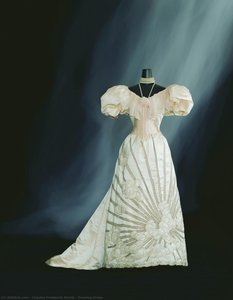
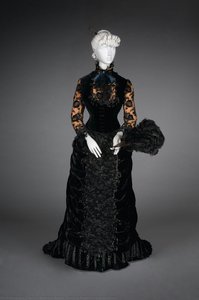
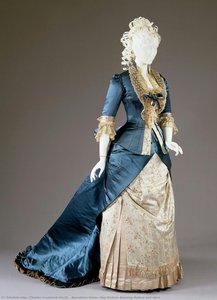
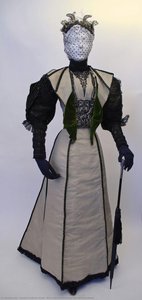
Afternoon dress


 Read More
Hand Made Oil Reproduction
Hand-painted oil on canvas in your size and frame, made to order by our artists. ( Buy Print Buy Image)




P118B $10

P118H $10

P118W $10

P438Z $10

P508JH $12

P508YH $12

P805H $10

P805Z $10

P919BZ $10

P919G $10

P919XJ $10

P959ZH $10

P968JZ $12

W106C $8

W218G $10

W218JH $8

W218Y $10

W307PJ $10

W316G $10

W316PJ $8

W316Y $10

W398PJ $8

W4111J $10

W500HY $15

W500JH $15

W692G $12

W849H $8

W940BG $15

W953PJ $8




Pick from our preset sizes that match the artwork's original proportions.

You may enter your own dimensions to fit a specific frame or space. If your selected size does not match the original image's proportions, we will either crop the artwork or extend the painting with additional hand-painted elements. A digital mockup will be sent for your approval before production begins.
Please note that the on-screen preview does not reflect the actual cropping or extension. Only the mockup will accurately show the final composition.
While custom sizes are available, we recommend selecting a dimension from the predefined list to preserve the original proportions.
After order, ArtsDot.com team will email client for instructions and provide a mockup preview
Worldwide Delivery () in 3/4 weeks instead of standard 5 weeks. (17 August). No compromise on quality.

Free Worldwide Express Shipping

High-Quality Linen Canvas

Full Shipping Insurance

Customs Tax Refund Guarantee

True Color Matching Guarantee

60-Day Return Policy (Defects Only)

100% Money-Back Guarantee

Bulk Discount Offer
 Glass option is only available in size under 110 CM

Afternoon dress
Reproduction Medium
Reproduction Size
-


Total Price
$ 263
Artwork Description
Charles Frederick Worth: The Architect of Haute Couture
Before the dawn of the 20th century, fashion wasn’t merely about clothing; it was an art form dictated by a singular visionary – Charles Frederick Worth. Born in Bourne, Lincolnshire, England, on October 13, 1825, his ascent from humble beginnings to becoming the undisputed leader of Parisian haute couture is a story etched in silk and ambition.
Worth’s early life instilled in him an appreciation for craftsmanship and meticulous detail. His apprenticeship with London textile merchants honed his understanding of fabrics – knowledge that would prove invaluable as he revolutionized the garment industry. However, it was his relocation to Paris in 1845 that truly ignited his creative spark. Immediately securing employment at Gagelin-Opigez & Cie, Worth swiftly distinguished himself not only as a skilled salesman but also as an innovator capable of transforming raw materials into breathtaking gowns.
He wasn’t simply dressing women; he was crafting narratives woven from color, texture, and silhouette. Unlike previous designers who relied on established patterns, Worth championed the concept of live models – a daring move that transformed the fashion salon into a social hub and cemented his reputation as the first true couturier.
The Afternoon Dress: A Symbol of Elegance
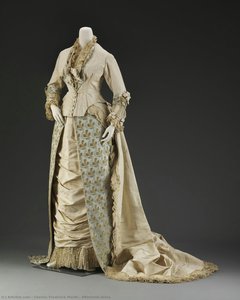
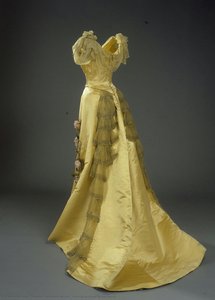
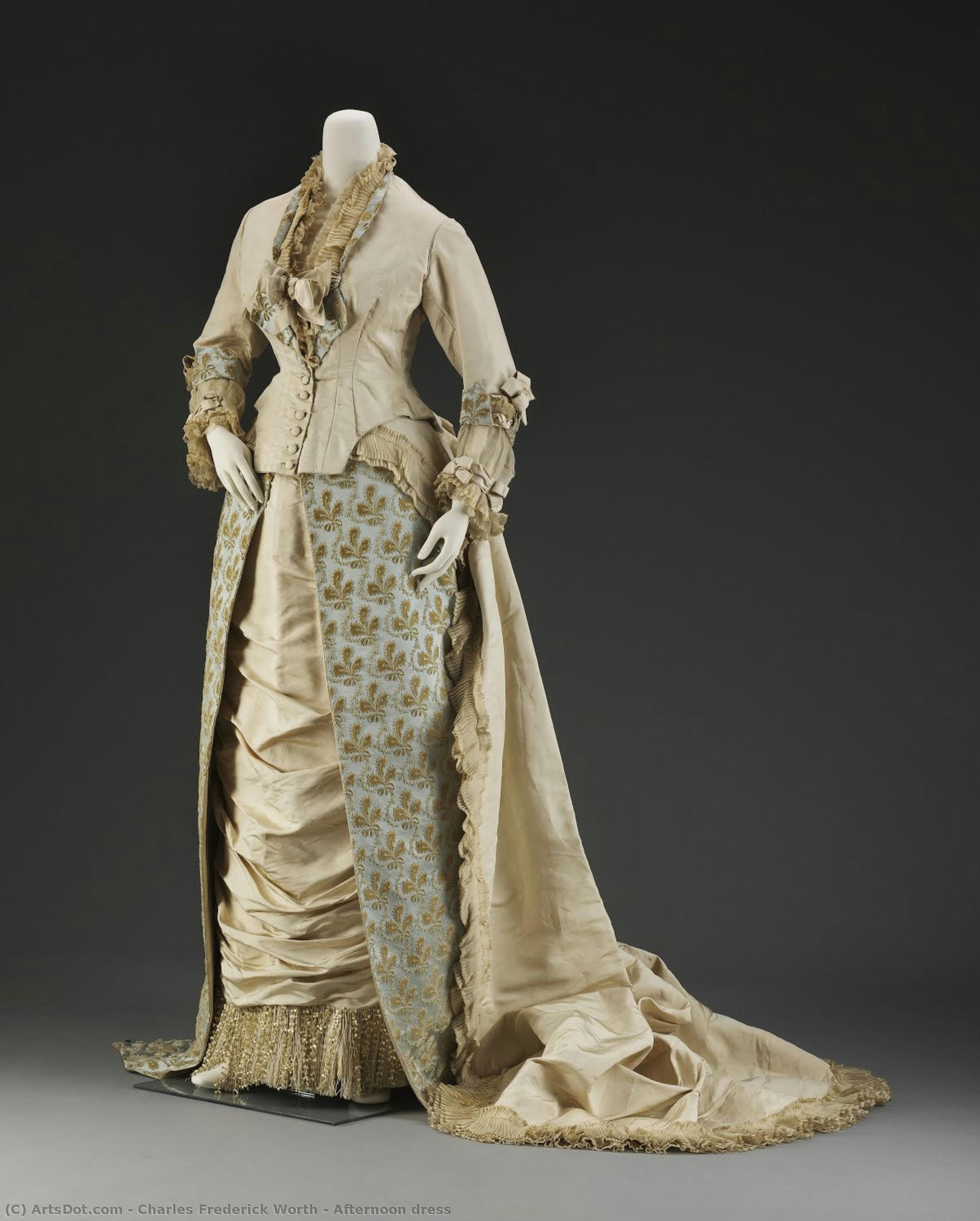
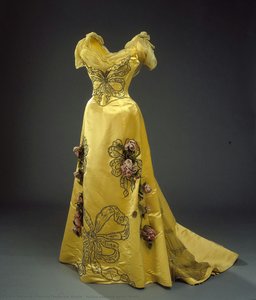
Considered by many historians to be the progenitor of haute couture, Worth’s influence extended far beyond mere dressmaking. His designs embodied an aesthetic rooted in refined elegance and a profound understanding of societal desires. The “Afternoon Dress,” exemplified by the exquisite specimen housed at The Metropolitan Museum of Art—a pale greenish-yellow gown adorned with yellow cut velvet feathers—represents the zenith of Victorian fashion sensibilities.
The dress itself is constructed from satin, chosen for its luxurious sheen and drape, and embellished with intricate lace trim – a hallmark of Worth’s meticulous attention to detail. The mannequin stands poised before a gray backdrop, strategically employed to accentuate the gown's flowing lines and sculptural form. Every ruffle, every feather, speaks volumes about the era’s obsession with ornamentation and beauty.
Technique and Innovation: Worth’s Legacy
What truly sets Worth apart is his pioneering approach to garment construction. Rejecting traditional methods, he embraced innovative techniques—such as utilizing horsehair supports for skirts—to achieve unprecedented volume and movement. This daring experimentation wasn't merely about aesthetics; it was a deliberate effort to elevate the craft of dressmaking and adapt Victorian fashion to the realities of daily life.
Furthermore, Worth’s insistence on employing live models – a revolutionary concept at the time – ensured that his creations were showcased in their most flattering light. This practice elevated the couture salon into a social institution where discerning clients could experience firsthand the transformative power of exquisitely crafted garments.
Historical Context and Emotional Impact
The “Afternoon Dress” emerged during a period marked by significant societal shifts—the burgeoning Industrial Revolution, the rise of the middle class, and an evolving understanding of femininity. Worth’s designs responded to these changes with grace and sophistication, reflecting the aspirations of women who sought to express their status and beauty through clothing.
More than just a garment, it embodies the spirit of its time—a celebration of opulent fabrics, meticulous craftsmanship, and an unwavering belief in the transformative potential of fashion. Viewing this masterpiece evokes a sense of timeless elegance and reminds us that true artistry lies not only in technique but also in capturing the essence of human emotion.
Related Artworks




Artist Biography
The Architect of Haute Couture: Charles Frederick Worth
Charles Frederick Worth, a name synonymous with the birth of haute couture, wasn’t merely a dressmaker; he was an orchestrator of style, a shrewd businessman, and arguably the first fashion designer to achieve celebrity status. Born in Bourne, Lincolnshire, England, on October 13, 1825, his journey from humble beginnings to becoming the arbiter of Parisian elegance is a testament to ambition, innovation, and an innate understanding of the desires of an evolving society. Young Worth initially apprenticed with London textile merchants, absorbing the intricacies of fabric and trade – knowledge that would prove invaluable. However, it was his move to Paris in 1845 that truly ignited his destiny. He found employment at Gagelin-Opigez & Cie, a prestigious establishment where he quickly distinguished himself not only as a skilled salesman but also as a creative force capable of transforming textiles into breathtaking garments. It wasn’t long before Worth persuaded the firm to allow him to establish a dressmaking department, marking his formal entry into the world of fashion design.Revolutionizing Fashion and Establishing a Legacy
In 1858, Worth took a bold step, founding the House of Worth in partnership with Otto Bobergh. This wasn’t simply another atelier; it was a revolutionary concept. Prior to Worth, dressmaking was largely anonymous, garments were often adapted from existing styles or created by nameless seamstresses. Worth changed all that. He boldly presented his designs on live models – a radical departure from the use of wax figures common at the time – allowing clients to envision how the clothes would drape and move on a real body. This theatrical presentation elevated dressmaking to an art form, transforming it from a craft into a spectacle. Furthermore, Worth was the first to sign his creations with a branded label, establishing the designer as the central figure in the creation of a garment, rather than simply the anonymous artisan. His clientele quickly ascended to include European royalty and high society figures, drawn by his innovative designs and impeccable craftsmanship. Empress Eugénie, wife of Napoleon III, became one of his most devoted patrons, solidifying Worth’s position at the pinnacle of Parisian fashion.Aesthetic Principles and Notable Creations
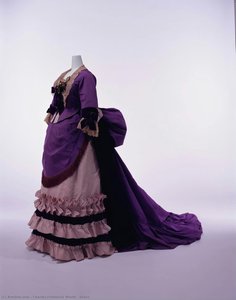
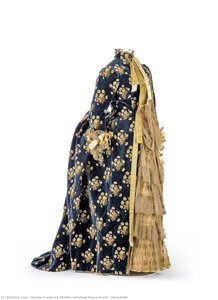
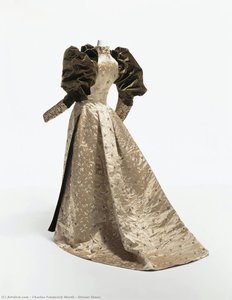
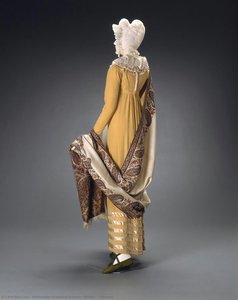
Worth's aesthetic was characterized by a lavish use of opulent fabrics – silks, satins, velvets, and brocades – often adorned with intricate embroidery, lace, and trimmings. He wasn’t afraid to draw inspiration from historical styles, particularly the Renaissance and Rococo periods, but he adapted these influences to suit the sensibilities of his contemporary clientele. His designs emphasized a sculpted silhouette, achieved through innovative construction techniques like boning and padding. The afternoon dress showcased at the Museum of Fine Arts, Boston, exemplifies his mastery of satin design, while the dinner dress held by the Kyoto Costume Institute, with its striking chrysanthemum pattern and voluminous sleeves, demonstrates his flair for dramatic effect. Even simpler designs, such as the dress housed in the Design Museum of Barcelona, reveal a refined elegance and attention to detail that defined his work. He is credited with popularizing several key fashion innovations, including the cage crinoline – a structure designed to hold skirts in an expansive shape – and the bustle, which created fullness at the back of the skirt.Beyond the Gowns: A Lasting Impact
The influence of Charles Frederick Worth extends far beyond the exquisite gowns he created. He fundamentally altered the business of fashion, establishing the concept of seasonal collections and creating a demand for exclusive, designer-made clothing. The House of Worth continued to thrive after his death in 1895, carried on by his sons, Gaston Lucien and Jean Philippe, maintaining its reputation for luxury and innovation well into the 20th century. His legacy can be seen in the collections of museums worldwide, including the Russell-Cotes Art Gallery and Museum in the United Kingdom and the Ingram Collection of Modern British and Contemporary Art in London. Worth’s pioneering spirit paved the way for future generations of designers, establishing the foundations of the modern fashion industry as we know it today. He wasn't just designing clothes; he was crafting an image, a lifestyle, and ultimately, a legend that continues to resonate within the world of haute couture.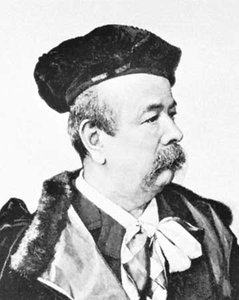
Charles Frederick Worth
1825 - 1895 , United Kingdom
Quick Facts
- Artistic Movement Or Style: Haute Couture
- Artists Or Movements Influenced By This Artist: ['Fashion Designers']
- Date Of Birth: October 13, 1825
- Date Of Death: 1895
- Full Name: Charles Frederick Worth
- Nationality: English
- Notable Artworks:
- Afternoon dress
- Dinner dress
- Dress
- Place Of Birth: Bournemouth, UK
Related Articles
Frederick Morgan: A Study in Aestheticism & Victorian Beauty
Explore the captivating world of Frederick Morgan, a key figure in Victorian Aestheticism. Discover his beautiful paintings, recurring themes, and lasting legacy with our expert analysis. Learn more today!
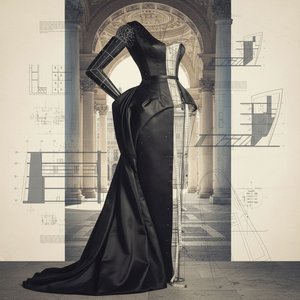
Cristóbal Balenciaga: Deconstructing Haute Couture's Architectural Legacy
Explore the revolutionary world of Cristóbal Balenciaga, the 'couturier's couturier'. Discover his architectural designs, lasting influence on haute couture, and guide to collecting rare pieces. A connoisseur’s resource.
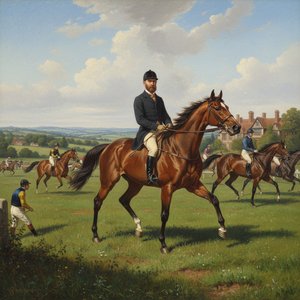
John Frederick Herring Sr.: Equestrian Mastery & the Rise of Sporting Art in Victorian England
Explore the life & work of John Frederick Herring Sr., a leading Victorian equestrian artist. Discover his masterpieces, patronage, techniques & investment potential. Expert insights for collectors.
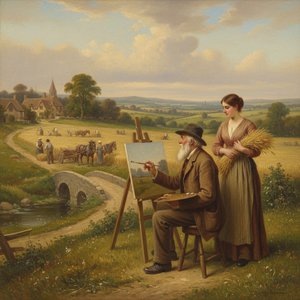
Frederick Goodall (1822–1904): A Victorian Narrative of Rural Life and Artistic Tradition
Explore the captivating world of Frederick Goodall (1822–1904), a celebrated Victorian artist renowned for his detailed genre paintings and evocative Egyptian scenes. Discover his life, legacy & find high-quality reproductions at ArtsDot.
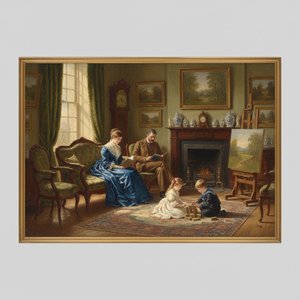
Frederick Richard Lee: Capturing Victorian Domestic Life on Canvas
Explore the captivating Victorian genre paintings of Frederick Richard Lee. Discover his life, style, influences & legacy. Expert insights for collectors and art enthusiasts at ArtsDot.