 Preview
 Send
Send Share
Share
 Details

 Download
 Similars
 X-Ray
X-Ray Diaporama
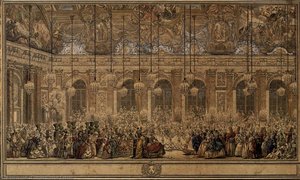
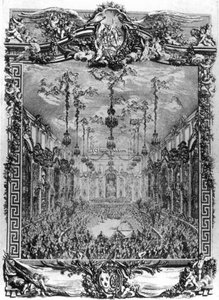
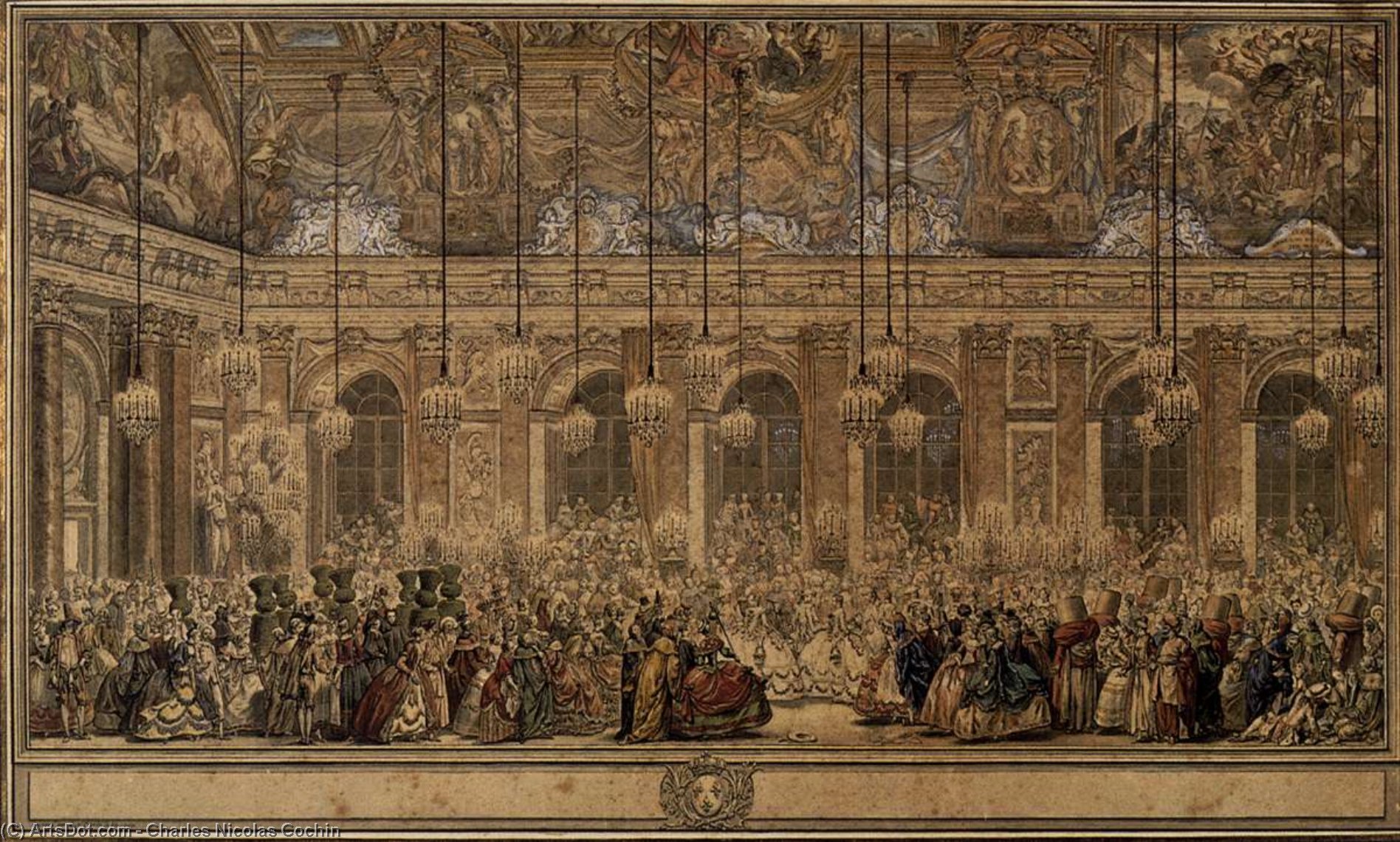
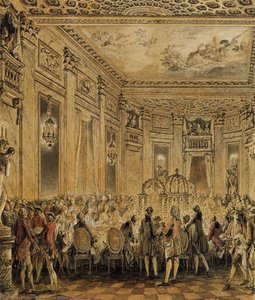
The Masked Ball Given by the King
 Acrylic On Canvas
- WallArt
- Baroque
 1745
1745 455.0 x 760.0 cm
 The Louvre
 Read More
Giclée / Art Print
Museum-quality giclée or canvas print with fast production and flexible finish options. ( Buy Hand Made Painting Buy Image)




P118B $10

P118H $10

P118W $10

P438Z $10

P508JH $12

P508YH $12

P805H $10

P805Z $10

P919BZ $10

P919G $10

P919XJ $10

P959ZH $10

P968JZ $12

W106C $8

W218G $10

W218JH $8

W218Y $10

W307PJ $10

W316G $10

W316PJ $8

W316Y $10

W398PJ $8

W4111J $10

W500HY $15

W500JH $15

W692G $12

W849H $8

W940BG $15

W953PJ $8




Pick from our preset sizes that match the artwork's original proportions.

You may enter your own dimensions to fit a specific frame or space. If your selected size does not match the original image's proportions, we will either crop the artwork or extend the image with a mirrored or solid-fill edge. A digital mockup will be sent for your approval before production begins.
Please note that the on-screen preview does not reflect the actual cropping or extension. Only the mockup will accurately show the final composition.
While custom sizes are available, we recommend selecting a dimension from the predefined list to preserve the original proportions.
Worldwide Delivery () in 2 weeks instead of standard 4/5 weeks. (24 August)

Free Worldwide Express Shipping

High-Quality Linen Canvas

Full Shipping Insurance

Customs Tax Refund Guarantee

True Color Matching Guarantee

60-Day Return Policy (Defects Only)

100% Money-Back Guarantee

Bulk Discount Offer
 Glass option is only available in size under 110 CM

The Masked Ball Given by the King
Giclée / Art Print
Reproduction Size
-


Total Price
$ 63
Collectible Description
A Grand Spectacle of Light and Illusion: Exploring Charles Nicolas Cochin’s “The Masked Ball Given by the King”
Charles Nicolas Cochin le Jeune's "The Masked Ball Given by the King," painted in 1745, stands as a testament to Rococo artistry—a style characterized by opulent decoration, asymmetrical compositions, and an emphasis on playful elegance. More than just a depiction of a royal celebration, this monumental canvas delves into themes of aristocratic indulgence and the carefully constructed façade of social prestige. Cochin’s masterful technique—primarily oil paint on canvas—combined with meticulous detail contributes to its enduring allure.- Technical Brilliance: Cochin employed a layering technique known as glazing, applying thin translucent washes of color over underlying layers to achieve luminous effects and subtle tonal variations. This method was particularly favored during the Rococo period, allowing artists to capture the ethereal quality of candlelight and create an atmosphere of shimmering beauty.
- Compositional Drama: The painting’s grandeur is immediately apparent in its expansive scale—measuring 455 x 760 cm. Cochin skillfully arranges figures within a vast hall, utilizing diagonal lines to guide the viewer's eye and creating a sense of movement despite the stillness of the scene. The placement of musicians and dancers strategically emphasizes the festive spirit.
- Symbolism of Masks: The masks adorning the figures are laden with symbolic meaning. They represent concealment—a deliberate effort to disguise identity and create an illusion of sophistication. This motif speaks to the broader Rococo preoccupation with appearances versus reality, reflecting a desire for escapism from societal constraints.
- Color Palette & Atmosphere: Cochin’s palette is dominated by pastel hues—pale pinks, golds, creams, and blues—creating a dreamy atmosphere that evokes the glamour of Versailles. The diffused light emanating from chandeliers casts delicate shadows across the ballroom floor, enhancing the painting's visual richness.
Related Artworks

![Three Studies Of A Woman's Head And A Study Of Hands [recto], — Jean-antoine Watteau, Rococo Style](/media/artworks/images-thumb/65/73/65730255a762c06e3235059db7ffcb5f.jpg)
Artist Biography
A Parisian Legacy: The Life and Art of Charles-Nicolas Cochin
Born into a family deeply entrenched in the artistic fabric of 18th-century Paris, Charles-Nicolas Cochin – often distinguished as Cochin le Jeune (the Younger) to avoid confusion with his father – emerged as a pivotal figure in French art. His birth on February 22nd, 1715, marked not just the arrival of another talented engraver, but the continuation of a dynasty. Both his father, Charles-Nicolas Cochin the Elder, and his mother, Louise-Magdeleine Horthemels, were accomplished engravers, providing young Charles with an immersive artistic education from his earliest years. This familial foundation was further enriched by connections to other prominent engraving families like the Tardieus and Belles, creating a network of expertise that nurtured his developing talent. Beyond technical skill, Cochin received a broad education, mastering Latin, English, and Italian, and engaging with philosophical thought – particularly the works of John Locke – which would subtly inform his later critical perspectives on art.From Royal Commissions to Shaping Neoclassical Taste
Cochin’s ascent within the French artistic establishment was remarkably swift. By 1737, he had already secured commissions from Louis XV to document significant royal events through engravings – births, marriages, and funerals at court. This appointment as designer and engraver to the *Menus-Plaisirs du Roi* solidified his position and provided a steady stream of work celebrating the grandeur of the monarchy. However, Cochin was far more than a skilled craftsman executing royal decrees. He possessed a multifaceted talent, excelling not only in engraving but also in design and portraiture. A turning point came with his participation in a study tour to Italy in 1749, accompanied by the Marquis de Marigny (brother of Madame de Pompadour), architect Jacques-Germain Soufflot, and art critic Jean-Bernard Le Blanc. This journey proved transformative, exposing Cochin to classical antiquity and fostering a growing appreciation for its principles of order and clarity. Upon his return, he became a driving force in promoting Neoclassical ideals within French art, challenging the prevailing Rococo style with its emphasis on ornamentation and frivolity.A Voice Within the Academy and Beyond
Cochin’s influence extended beyond his artistic production. His admission to the Académie Royale de Peinture et de Sculpture in 1751, followed by his appointment as Keeper of the King's Drawings in 1752 – succeeding Charles-Antoine Coypel – placed him at the heart of French art administration. This role granted him considerable power in shaping artistic taste and commissioning works for royal residences. He wasn’t merely an administrator; he actively fostered a new aesthetic, championing artists who embraced classical forms and themes. His position allowed him to guide the direction of French art, subtly shifting it away from the ornate Rococo towards the more restrained elegance of Neoclassicism. Cochin also engaged in critical writing on art, offering insightful commentary that reflected his evolving artistic philosophy. He wasn’t afraid to challenge conventions and advocate for a return to what he perceived as the timeless principles of classical beauty.Engravings, Paintings, and a Lasting Influence
While celebrated primarily as an engraver, Charles-Nicolas Cochin's artistic output was remarkably diverse. His engravings of La Fontaine’s *Fables* stand as enduring examples of his skill in narrative illustration, capturing the wit and moral lessons of the stories with delicate precision. He also produced numerous portraits, showcasing his ability to convey character and social standing through subtle details of pose and expression. Beyond engraving, Cochin demonstrated his versatility as a painter, notably with *Voyage d'Italie* (1758), a testament to his artistic exploration during his Italian sojourn. His work can be found in prominent collections such as the Musée des Beaux-Arts de Carcassonne, ensuring its accessibility for future generations. Cochin’s legacy extends beyond his individual artworks; he played a crucial role in shaping the aesthetic landscape of 18th-century France, bridging the gap between Rococo and Neoclassicism and leaving an indelible mark on the development of French art. He passed away in Paris on April 29th, 1790, but his influence continued to resonate through the artists he championed and the principles he advocated for – a testament to a life dedicated to artistic excellence and intellectual inquiry.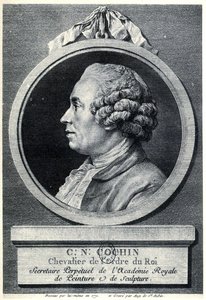
charles nicolas cochin
1715 - 1790 , France
Quick Facts
- Artistic Movement Or Style: Rococo, Neoclassical
- Artists Or Movements Influenced By This Artist: ['Neoclassicism']
- Artists Who Influenced This Artist:
- Charles-Nicolas Cochin the Elder
- Louise-Magdeleine Horthemels
- Date Of Birth: February 22, 1715
- Date Of Death: April 29, 1790
- Full Name: Charles-Nicolas Cochin
- Nationality: French
- Notable Artworks:
- La Fontaine's Fables
- Voyage d'Italie
- Portrait engravings
- Place Of Birth: Paris, France
Related Articles
Charles-André van Loo: A Study in Rococo Portraiture & the French Court's Artistic Dynamics
Explore the elegant world of Charles-André van Loo, a master of Rococo portraiture at the French court. Discover his life, techniques, and enduring influence on 18th-century art. Hand-painted reproductions available.

Rococo's Radiant Legacy: 10 Masterpieces for Your Home |
Indulge in the elegance of Rococo! Explore 10 masterpieces by Fragonard, Boucher & Watteau. Discover the stories behind these iconic paintings and bring timeless art to your home with museum-quality reproductions from .

The Rococo Aesthetic: Opulence, Rebellion & the Pursuit of Pleasure in 18th-Century Art
Explore the opulent world of Rococo art! Discover its origins, key artists like Watteau & Boucher, and lasting influence on design. Expert insights for collectors & enthusiasts.
The Rococo Style: Aristocratic Leisure & the Pursuit of Delight in 18th-Century Art
Explore the opulent world of Rococo art! Discover Watteau, Boucher & Nattier's masterpieces. Expert insights for collectors seeking museum-quality reproductions and custom portraits at ArtsDot.
The Allure of Elegance in Art: A Historical & Aesthetic Exploration of Refinement & Grace
Explore the exquisite world of Rococo art! Discover its history, masters (Watteau, Boucher & more), and defining elegance. Expert insights for collectors seeking museum-quality reproductions & custom portraits.