 Preview
 Send
Send Share
Share
 Details

 Download
 Similars
 X-Ray
X-Ray Diaporama
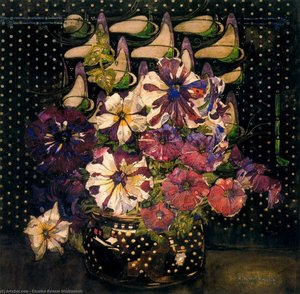
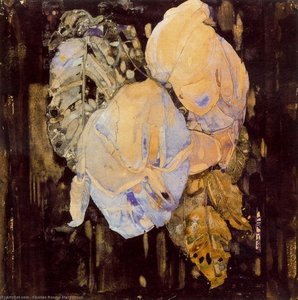
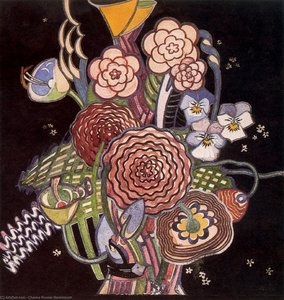
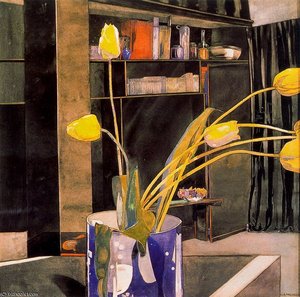
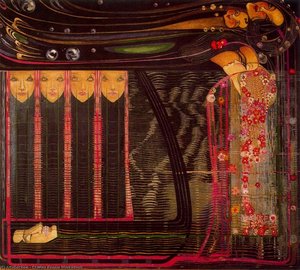
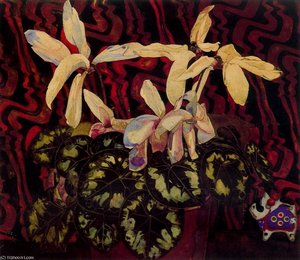
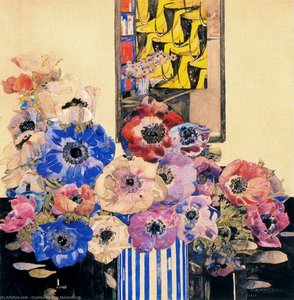
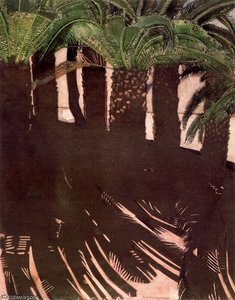
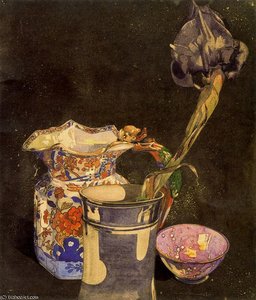
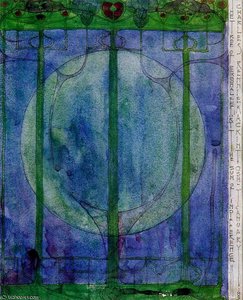
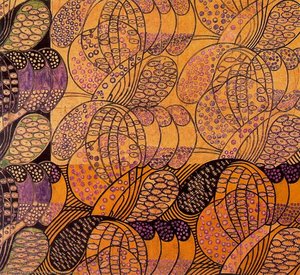
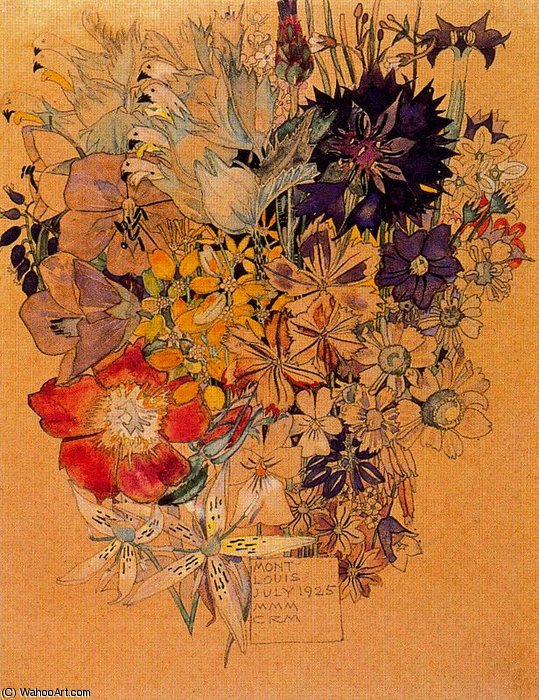
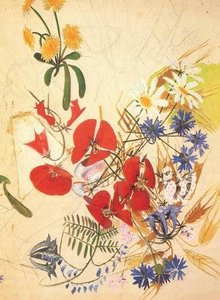
Untitled (565)

 Read More
Hand Made Oil Reproduction
Hand-painted oil on canvas in your size and frame, made to order by our artists. ( Buy Print Buy Image)




































Pick from our preset sizes that match the artwork's original proportions.

You may enter your own dimensions to fit a specific frame or space. If your selected size does not match the original image's proportions, we will either crop the artwork or extend the painting with additional hand-painted elements. A digital mockup will be sent for your approval before production begins.
Please note that the on-screen preview does not reflect the actual cropping or extension. Only the mockup will accurately show the final composition.
While custom sizes are available, we recommend selecting a dimension from the predefined list to preserve the original proportions.
After order, ArtsDot.com team will email client for instructions and provide a mockup preview
Worldwide Delivery () in 3/4 weeks instead of standard 5 weeks. (16 August). No compromise on quality.

Free Worldwide Express Shipping

High-Quality Linen Canvas

Full Shipping Insurance

Customs Tax Refund Guarantee

True Color Matching Guarantee

60-Day Return Policy (Defects Only)

100% Money-Back Guarantee

Bulk Discount Offer
 Glass option is only available in size under 110 CM

Untitled (565)
Reproduction Medium
Reproduction Size
-


Total Price
$ 263
Related Artworks

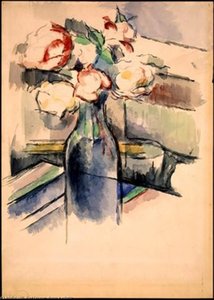
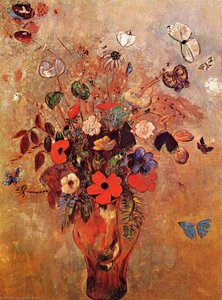

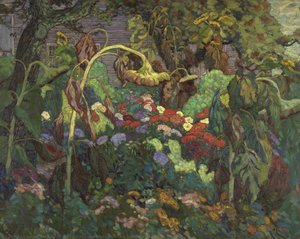
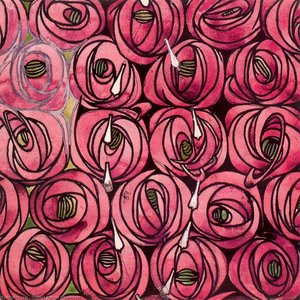
Artist Biography
A Scottish Visionary: The Life and Art of Charles Rennie Mackintosh
Charles Rennie Mackintosh, born in Glasgow on June 7, 1868, was more than an architect; he was a philosophical artist who sought to harmonize every aspect of the built environment. From the grandest structures to the smallest details of furniture and ornamentation, his vision aimed for a holistic aesthetic experience—a distinctly Scottish interpretation of the burgeoning Art Nouveau movement. Growing up as one of eleven children in a family where his father served as a police superintendent, Mackintosh’s early life offered little indication of the artistic revolution he would ignite. His education at Reid's Public School and Allan Glen's Institution revealed an aptitude for art but also hinted at challenges with traditional academic disciplines, possibly indicative of dyslexia. This divergence from conventional learning may have fostered his unique perspective, allowing him to approach design unbound by established norms. His formative years were significantly shaped by his apprenticeship under architect John Hutchison, coupled with evening classes at the Glasgow School of Art—a crucible where he forged crucial relationships with fellow students Herbert McNair, Margaret Macdonald, and Frances Macdonald, collectively known as “The Four.” These connections weren’t merely professional; they were deeply collaborative, influencing each other's artistic trajectories and forming the core of what would become the Glasgow Style.Forging a New Aesthetic: The Glasgow Style and Architectural Masterpieces
By the 1890s, Mackintosh had emerged as a leading figure in the “Glasgow Style,” an Art Nouveau variant infused with Celtic symbolism, Japanese aesthetics, and the principles of the Arts and Crafts movement. This wasn’t simply about applying decorative motifs; it was about creating a total work of art—where architecture, furniture, interiors, and even textiles were conceived as interconnected elements of a unified design. His most enduring legacy is undoubtedly the Glasgow School of Art (1897-1909), a building that remains both controversial and profoundly influential. It wasn’t merely a school for artistic education; it was a physical manifestation of Mackintosh's philosophy—a daring exploration of space, light, and organic forms. The building’s innovative use of steel framing allowed for large, open studio spaces bathed in natural light, while its distinctive façade, with its stylized floral motifs and asymmetrical composition, became an iconic symbol of the Glasgow Style. Beyond the School of Art, Mackintosh's genius is evident in projects like Windyhill (1899-1901), a country house that seamlessly integrates with its landscape; Hill House (1902), a masterpiece of domestic architecture characterized by its white harled exterior and evocative interiors; Queen’s Cross Church (1907-1909), a striking example of ecclesiastical design; and Scotland Street School (1904-1906), a whimsical and imaginative building designed to inspire young minds. Central to this period was his marriage in 1900 to Margaret Macdonald, an artist whose talent Mackintosh himself acknowledged as surpassing his own. Their collaboration wasn’t merely a partnership; it was a synergistic fusion of artistic sensibilities that enriched the depth and complexity of his designs.A Period of Transition and Artistic Exploration
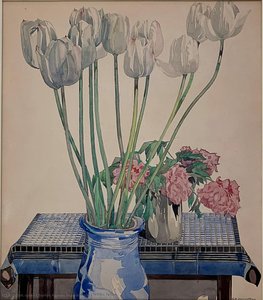
The outbreak of World War I marked a turning point in Mackintosh's life and career. In 1914, he and Margaret sought refuge from the escalating conflict and shifting architectural tastes by relocating to Walberswick, Suffolk, England. This move signaled a period of relative obscurity and professional decline. Commissions became scarce as his distinctive style fell out of favor with a public increasingly drawn to more conventional designs. However, this wasn’t a time of artistic stagnation. Mackintosh turned his attention to watercolor painting, finding solace and creative expression in depicting flowers and landscapes. These paintings, often characterized by their delicate colors and evocative atmosphere, reveal a different facet of his artistry—a quieter, more introspective approach that nonetheless retained the hallmarks of his unique vision. Financial difficulties plagued his later years, adding another layer of hardship to an already challenging period. Despite these struggles, Mackintosh continued to refine his artistic skills, producing a body of work that would eventually be recognized for its enduring beauty and originality.Legacy and Rediscovery: A Lasting Impact on Modern Design
Charles Rennie Mackintosh died in London on December 10, 1928, at the age of 60, leaving behind a legacy that would take decades to fully appreciate. For years after his death, his work remained largely forgotten, overshadowed by more dominant architectural trends. However, beginning in the 1960s and 1970s, a renewed interest in Art Nouveau and early modernism led to a rediscovery of Mackintosh’s contributions. Scholars and designers began to recognize the profound influence of his work on subsequent generations, acknowledging his pioneering use of space, light, and materials. His emphasis on simplicity, functionality, and the integration of art and architecture resonated with modernist principles, establishing him as a precursor to many of the key movements that shaped 20th-century design. Today, Mackintosh is celebrated as one of Scotland’s most important architects and designers—a visionary artist whose unique aesthetic continues to inspire and captivate audiences worldwide. His buildings stand as testaments to his genius, while his furniture, interiors, and paintings offer a glimpse into the mind of an artist who dared to challenge convention and create a world of beauty and harmony. His enduring impact is a reminder that true artistic innovation lies in the pursuit of a singular vision—a vision that transcends time and continues to resonate with generations to come.Exploring Mackintosh’s World: Museums & Further Resources
To truly appreciate the breadth of Charles Rennie Mackintosh's talent, several institutions offer immersive experiences. The National Trust for Scotland’s Hill House in Helensburgh provides a captivating glimpse into his domestic architecture, allowing visitors to explore the meticulously designed interiors and surrounding gardens. The Hunterian Museum and Art Gallery in Glasgow boasts an extensive collection of Mackintosh's works, including furniture, drawings, and architectural models, alongside pieces by Margaret Macdonald Mackintosh and other key figures of the Glasgow Style. The Hunterian Art Gallery further expands on this offering with a dedicated focus on fine art. For those seeking deeper insights, resources like Britannica and Wikipedia offer comprehensive biographical information and critical analyses of his work. These avenues provide opportunities to delve into the world of Charles Rennie Mackintosh—a world where artistry, architecture, and design converge to create an enduring legacy of beauty and innovation.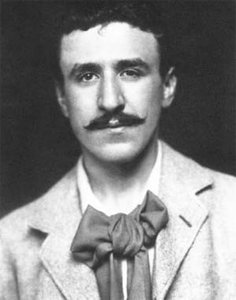
Charles Rennie Mackintosh
1868 - 1928 , United Kingdom
Quick Facts
- Artistic Movement Or Style: Art Nouveau, Glasgow Style
- Artists Or Movements Influenced By This Artist:
- Art Nouveau
- Modernism
- Date Of Birth: June 7, 1868
- Date Of Death: December 10, 1928
- Full Name: Charles Rennie Mackintosh
- Nationality: Scottish
- Notable Artworks:
- Untitled (958)
- Untitled (592)
- Untitled (803)
- Glasgow School of Art
- Willow Tearooms
- Place Of Birth: Glasgow, Scotland
Related Articles

Watercolor Wonders: 10 Masterpieces That Redefined Art History | ArtsDot
Journey through 10 legendary watercolor masterpieces by Sargent, Turner & Homer! Explore iconic landscapes, portraits & floral art that redefined history. Find museum-quality reproductions and curated decor ideas at ArtsDot.com.

Ephemeral Visions: Exploring the Artistic Legacy & Contemporary Practice of Watercolor Painting
Explore the captivating world of watercolor painting! Discover its rich history, essential techniques, influential artists & collecting tips. A comprehensive guide for art enthusiasts from ArtsDot.

Ephemeral Visions: Exploring the History & Emotional Resonance of Watercolor Painting
Explore the captivating history of watercolor painting, from ancient techniques to modern masters like Kandinsky & Blake. Discover essential artists, collecting tips & the emotional power of this luminous medium. Expert insights for art enthusiasts.

Ephemeral Visions: Exploring the Artistic Legacy & Nuances of Watercolor Painting
Explore the captivating world of watercolor painting! Discover its rich history, essential techniques, influential artists & collecting tips from art experts. A comprehensive guide for enthusiasts.
The Enduring Appeal of Watercolor: History, Techniques & Contemporary Practice
Explore the captivating world of watercolor painting! Discover its rich history, essential techniques, influential artists, and collecting tips. A comprehensive guide for art enthusiasts.